Mixing at a shared desk
If other people are within earshot, less sound leakage and fewer distractions are important considerations. Musikhaus Korn describes closed-back studio headphones as offering greater isolation and letting less sound leak out.


If other people are working at your shared desk, or you’re recording there, a well-fitting, closed-back, wired studio headphone is usually the obvious starting point. It offers greater isolation and typically lets less sound leak out. For quiet mixing sessions, an open-back model may be worth considering when judging spatial qualities, but it lets more sound through. With either design, check the fit, the sound signature with familiar recordings and the connection to your audio output.
If other people are within earshot, less sound leakage and fewer distractions are important considerations. Musikhaus Korn describes closed-back studio headphones as offering greater isolation and letting less sound leak out.
If you can sometimes listen without interruption to assess the balance between instruments and the sense of space, an open-back model may also be an option. Musikhaus Korn describes open-back headphones as a choice for quiet listening environments.
If you listen repeatedly for longer periods, personal fit, cable management and available replacement parts all matter. Manufacturer information about replaceable ear pads or cables can help you choose, but it’s no substitute for checking the fit yourself.
A good fit if: You’re working or recording at your desk and other people are within earshot.
Bear in mind: This design doesn’t guarantee complete isolation or a neutral sound signature.
A good fit if: You mostly mix during quiet listening sessions and assessing spatial qualities is important.
Bear in mind: Open ear cups let sound through and may disturb others at a shared desk.
| What matters to you | What to check before buying | Who this matters most to |
|---|---|---|
| Isolation and sound leakage | Check the closed-back design, how the ear pads fit and how much sound leaks out at your actual listening volume. | If I want to hear less conversation and keep playback from disturbing others as much as possible, isolation comes first for me. Around 36% of consumers consider this their top buying priority. |
| Instrument balance and sense of space | Use familiar jazz recordings for comparison, and check the bass balance and stereo image on another listening system if possible. | If I want to assess the bass, drums, solo instruments and room ambience, sound monitoring matters more to me than isolation. Around 29% of consumers put assessing balance and spatial qualities first. |
| Comfort during longer sessions | Try the headphones on for a typical session and consider the clamping force, ear cup size, glasses arms and how warm they feel. | For longer mixing sessions, I want a fit that stays comfortable for me. Around 21% of consumers prioritise comfort during repeated listening sessions. |
| Connectivity and maintenance | Check the audio output, plug, any adapter you need, cable length and model-specific replacement parts. | If I need the headphones to work with my existing equipment and the cable to be manageable at a cramped desk, I check the connection and replacement options first. Around 14% of consumers say these are their top buying priorities. |
The benefit of an open-back model for checking spatial qualities depends on a quiet environment. At a shared desk, the sound that gets through may be disruptive.
Base your choice on when you actually listen and whether other people or microphone recordings at your desk could be affected.
An extra pair for different listening situations takes up storage space.
The design alone doesn’t tell you how the bass and mid-range will sound. A HIFI.DE review criticised the beyerdynamic DT 700 PRO X for its pronounced bass.
Compare familiar jazz recordings and, where possible, check important mixing decisions on another listening system.
If the sound signature affects your judgement, you may need to check your mix more often.
Connections, cable lengths and replacement parts vary by model. Cable management can also matter in a cramped workspace.
Check the specific audio output and what’s included, and try the fit for a typical listening session if possible.
Depending on the model, a suitable adapter or replacement ear pads may be important.
The DT 700 PRO X is a closed-back option for a shared workspace; the open-back DT 900 PRO X is better suited to quiet mixing sessions.
The closed-back, foldable ATH-M40x is described by the manufacturer as suitable for mixing and monitoring. The ATH-M50x is another closed-back studio option.
The open-back HD 490 PRO is an option for mixing in a quiet environment, rather than situations where isolation is a priority.
The closed-back, wired MDR-7506 is an option for studio monitoring, provided the fit and cable management work for your setup.
AKG describes the closed-back, foldable K371 as studio headphones for mixing and working on the move.
This Joybuy selection includes over-ear headphones for listening at your desk; several models are listed as having a closed-back design or a wired option. A neutral sound signature for mixing has not been verified for this selection.
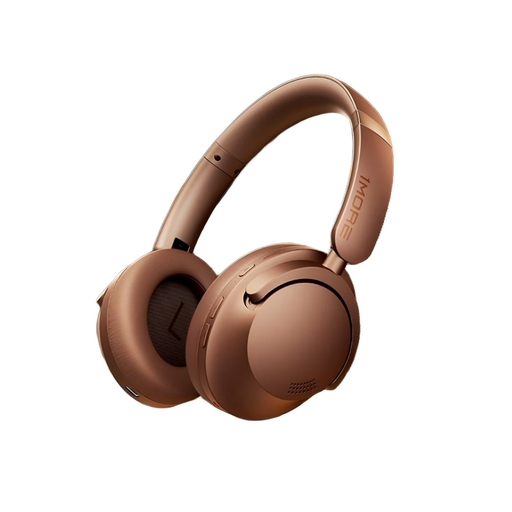 No image available
The over-ear design and active noise cancellation are the listed features for listening at your desk; this doesn’t confirm a sound signature suited to mixing.
Features include 40 mm drivers and memory foam ear cups.
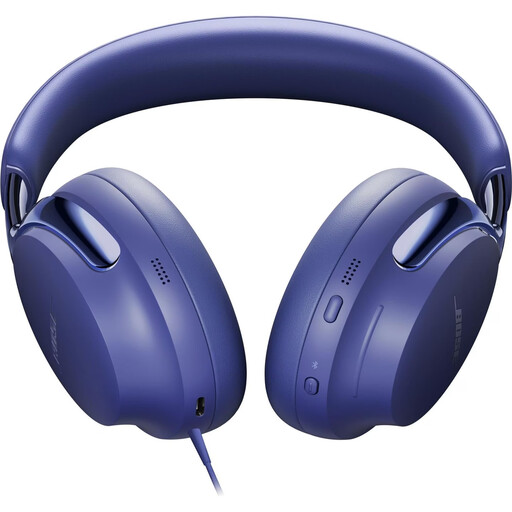 No image available
The closed-back design and included audio cable are useful if you want to listen through a wired connection at your desk; this doesn’t confirm a neutral sound signature for mixing.
Listed features include Bluetooth 5.4, USB-C audio, a 2.5 mm connection, a weight of 250 g and rotating ear cups.
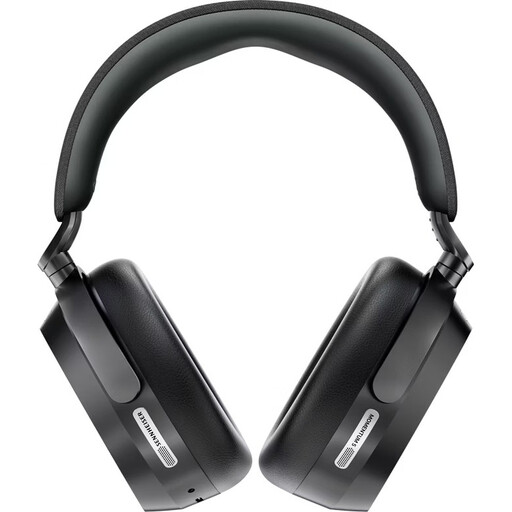 No image available
The closed-back design and included 3.5 mm audio cable are useful for wired listening at your desk; this doesn’t confirm a neutral sound signature for mixing.
Listed features include Bluetooth 5.4, ANC, a weight of 290 g and a stated battery life of up to 57 hours. The product name also mentions a replaceable battery and Dolby Atmos.
 No image available
The detachable audio cable gives you the option of a wired connection at your desk; this doesn’t confirm a neutral sound signature for mixing.
Listed features include Bluetooth 5.3, ANC, soft ear pads and a weight of 256 g.
Yes, especially if other people are working or recording in the same space. But the design doesn’t replace checking the bass balance and sense of space with familiar recordings and, ideally, another listening system. A HIFI.DE review criticised the beyerdynamic DT 700 PRO X for its pronounced bass.
Check the headphone output you’ll be using, the plug, whether you need an adapter and the cable length. For the DT 700 PRO X and DT 900 PRO X, beyerdynamic lists a 3.5 mm plug with a 6.35 mm adapter; these details apply to these specific models.
Check the fit over a session that’s typical for you and keep the listening volume moderate. The manufacturers list replaceable ear pads for the DT 700 PRO X and HD 490 PRO. The German Environment Agency notes that sound can damage your hearing, depending on its volume and duration.
According to the consumer advice centres, online purchases generally come with a 14-day right to cancel, starting from the day you receive the goods. Specific terms and exceptions apply. Your statutory rights are separate from any voluntary guarantee.
No, not across the board: the EU requires a CE mark only for products covered by relevant harmonised legislation that explicitly requires one. Products that don’t need a CE mark must still comply with the applicable product safety rules; the mark alone doesn’t tell you whether headphones are suitable for mixing.