If conversations drown out quiet passages, well-fitting, noise-isolating headphones are a good place to start for an audio guide. ANC can help, but it’s no substitute for a good fit or a sensible volume. If you want to hear your companions and the exhibition too, an open design may suit you better. A wired model, meanwhile, requires a compatible headphone socket. Before you buy, check whether the guide runs on your smartphone or a museum device, and which audio connections that device supports.
Who should consider which type of headphones?
Visitors who struggle to hear quiet passages
If conversations drown out a quiet narration, a good fit and the level of noise isolation you want are key. The World Health Organization recommends well-fitting or noise-cancelling headphones, so you don’t have to rely on turning up the volume in noisy surroundings.
Visitors with companions
If you want to keep up with questions and conversations while listening to an audio guide, consider how much isolation you need. Open designs let you hear more of your surroundings; Sony and Shokz describe this type of design for some of their models.
Visitors using different audio guide devices
If you use an app at one museum and a loan device at another, check how each one works before choosing your headphones. The Deutsches Museum describes an app for which it recommends using your own headphones, as well as a headphone-equipped loan service.
What to look for when choosing
Closed-back headphones, with ANC if needed
A good fit if: Conversations drown out quiet passages and your playback device is compatible.
The trade-off: Noise isolation can make it harder to hear your companions, and ANC won’t eliminate every sound.
Open Bluetooth headphones
A good fit if: You’re listening to the guide on a Bluetooth-enabled device and want to hear people or exhibition sounds around you.
The trade-off: Conversations may drown out quiet audio more easily because this design offers less isolation.
Wired headphones
A good fit if: Your playback device has a suitable headphone socket and you’d rather listen without pairing over Bluetooth.
The trade-off: A cable can get in the way during your visit, and having a headphone plug alone doesn’t guarantee compatibility.
| Priority |
What to check before buying |
Who it matters to |
| Hearing quiet speech |
Check the fit and seal; if the headphones have ANC, check the ambient mode too. |
If I want to understand the guide despite conversations, without constantly turning up the volume, clear speech is my priority. Around 33% of consumers put this first. |
| Staying aware of your surroundings |
Know the difference between an open design and a switchable transparency or ambient mode. |
When I’m out with companions, I want to hear questions and exhibition sounds while listening to the guide. Around 27% of consumers put awareness of their surroundings first. |
| Device connection |
Check with the museum whether you’ll use a smartphone or loan device, and which connections are available. |
If I use a different playback device for each exhibition, I want to know in advance whether my headphones will work with it. Device compatibility is the top priority for around 20% of consumers. |
| Comfort during your visit |
Try the design with your glasses and wear it for a realistic length of time. |
If I use an audio guide for a long time, I want a fit that stays comfortable. Around 20% of consumers focus above all on wearing comfort. |
Avoiding common mistakes when buying headphones for museum audio guides
-
Simply turning up the volume for quiet passages
The World Health Organization points out that volume, listening duration and how often you listen all affect your hearing.
First, check the fit, seal and surrounding noise. Listen at a sensible volume and take breaks.
-
Assuming open and noise-isolating headphones are the same
Open models let you hear more of your surroundings. When conversations are distracting, they do less to separate quiet guide passages from background noise.
Before you buy, decide whether you’d rather hear the guide clearly despite surrounding noise or stay aware of conversations.
-
Buying headphones before you know how you’ll listen
An app and a museum loan device may offer different connection options. The Deutsches Museum’s described loan service includes headphones.
Check with the museum whether you’ll use an app or a loan device, and whether you can connect your own headphones.
Checking in advance whether a loan device already includes headphones can help you avoid an unnecessary extra purchase.
Key brands to consider
Sony
Sony’s ranges include the open-design LinkBuds Open, the WH-CH720N with ANC and ambient mode, and the wired MDR-ZX110.
- Sony says the WH-CH720N has an ambient mode, while the LinkBuds Open are designed for open-ear listening.
- The open design doesn’t isolate you from your surroundings. The MDR-ZX110 needs a device with a compatible headphone socket.
Shokz
The Shokz OpenFit 2 is an open-ear alternative with ear hooks for visitors who want to stay aware of their surroundings while listening.
- Shokz lists physical buttons and open-ear listening among the model’s features.
- When surrounding sounds drown out the audio, the open design can make quiet passages harder to hear. Check that the fit works for you.
Apple
The AirPods Pro 3 are a noise-isolating in-ear option with ANC and Transparency mode.
- Apple says they offer up to 8 hours of listening with ANC on a single charge.
- Check that they work with the audio guide device you’ll be using, and that the ear tips fit you comfortably.
Headphones at Joybuy
This selection includes wired and Bluetooth headphones for audio guides. The key things to consider are your playback device’s connection, how much noise isolation you want and whether the fit is right for you.
 No image available
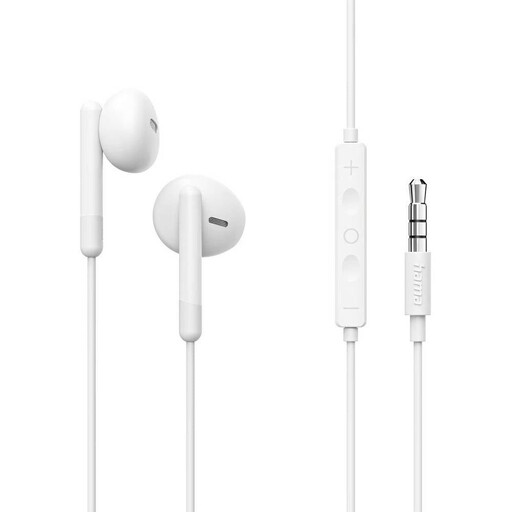
Noble in-ear headphones with microphone, 3.5 mm jack, white
A wired option if your audio guide device has a compatible 3.5 mm headphone socket. You won’t be able to use this model if your device doesn’t have a suitable connection.
Joybuy
 No image available
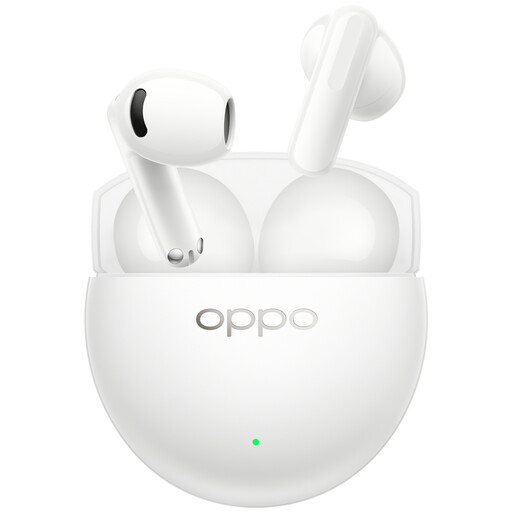
OPPO Enco Air5s Earbuds, Lunar White
A possible choice if your audio guide runs on a compatible device and you’re looking for earbuds with ANC. Check the connection to your playback device and make sure they’ll feel comfortable when worn for longer periods.
Joybuy
 No image available
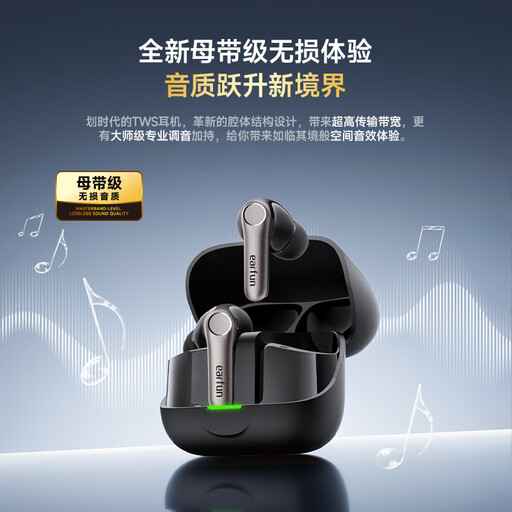
EarFun Air Pro 4+ ANC Earbuds, Black
A choice for a Bluetooth audio guide if you want to reduce background noise during quiet passages. How well they block out sound depends on whether the ear tips fit properly.
Joybuy
 No image available
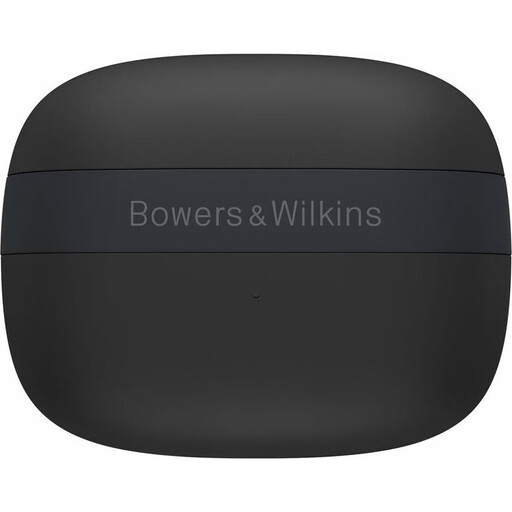
Bowers & Wilkins Pi6 True Wireless in-ear headphones, ANC, Bluetooth 5.4
An in-ear option for a compatible Bluetooth audio guide if ANC is a priority for you. They feature Bluetooth 5.4 and offer up to 8 hours of playback per charge; choosing the right ear tips is key to getting a good fit.
Joybuy
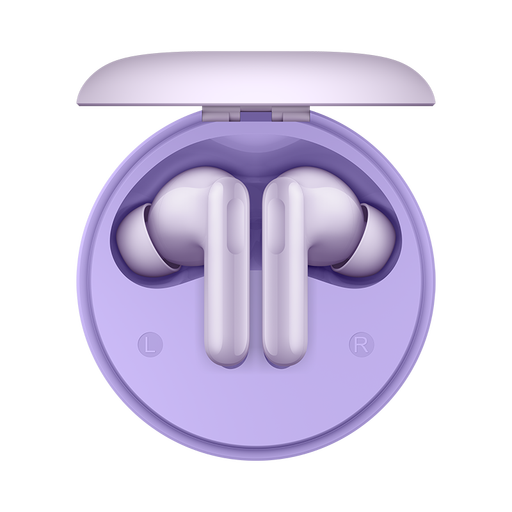 No image available
HONOR Earbuds A Pro, ANC, 12.4 mm drivers
An option for visitors considering ANC headphones for quiet passages. Check in advance that they’ll connect to your audio guide device and that the earbuds feel comfortable.
Joybuy
Frequently asked questions
Is ANC enough to make sure I always hear quiet passages?
No, ANC alone can’t guarantee that. A good fit and a sensible listening volume are still important. In noisy surroundings, the World Health Organization recommends well-fitting or noise-cancelling headphones to avoid having to turn the volume up unnecessarily.
Can I connect my Bluetooth headphones to any museum audio guide?
No, it depends on how the guide works at that particular museum. The Deutsches Museum describes both an app for your own smartphone and loan devices that come with headphones. Before your visit, check how the audio is played and whether you can connect your own Bluetooth headphones.
How should I prepare my headphones for a visit?
If you’re using a smartphone guide, test the app and audio output beforehand, and check the battery level of your Bluetooth headphones. The Deutsches Museum recommends bringing your own headphones for its app; headphones are included with its audio guide loan devices.
How can I make listening for longer more comfortable?
Choose a fit that works for you, listen at a sensible volume and take breaks. If surrounding noise is distracting, the World Health Organization recommends well-fitting or noise-cancelling headphones rather than simply turning up the volume.
What are my rights when buying online in Germany?
When you buy online from a trader, you generally have 14 days from delivery to cancel your order, although exceptions may apply. Your Europe, the European Union’s consumer information portal, also explains that faulty goods are covered by a legal guarantee of at least two years. This is separate from any voluntary manufacturer’s guarantee.


