For comparing orchestral recordings in a busy shared workspace, a well-fitting pair of closed-back headphones is a sensible starting point. They can help reduce background noise and sound leakage, but they don’t guarantee a neutral sound. Open-back headphones are better suited to a quiet listening space. Whichever design you choose, compare the same familiar passages at a similar volume.
Who are the different options suited to?
For comparing recordings at a shared desk
If people are talking or working nearby, fit and isolation are particularly important. Neumann describes the closed-back NDH 20 as a model that effectively reduces outside noise, while Musikhaus Korn explains that closed-back designs let less sound escape.
For critical listening in a quieter space
If you can move to a quiet room for a further comparison, an open-back model is also worth considering. Beyerdynamic lists the open-back DT 900 PRO X for monitoring and mixing.
For long listening sessions at your work computer
For longer sessions, fit, connection and the right replacement parts matter just as much as sound. HIFI.DE notes that the ATH-M50x has a high clamping force and ear cups that may be too small for some people, so try them on if you can.
What should you look for when buying?
Closed-back design
A good fit if: conversations or other office noise drown out quiet orchestral passages, and colleagues sit nearby.
The trade-off: Isolation also depends on fit; the design alone doesn’t prove that the sound is neutral.
Open-back design
A good fit if: you can move to a quiet, private listening space for an additional comparison.
The trade-off: At a busy desk, open-back headphones won’t reduce background noise or sound leakage in the same way as closed-back headphones.
Start by choosing headphones for where you’ll listen, then check the sound, fit and connection of the specific model.
| Buying criterion |
What to look for |
Who is it particularly important to? |
| Isolation and consideration for others |
Closed ear cups, how the cushions fit your head, and how much sound is audible to others. |
When people are talking nearby, I want to hear quiet passages without turning the volume up unnecessarily. That’s why around 36% of consumers put isolation first. |
| Sound balance and instruments |
Compare the same familiar orchestral passages at a similar volume and listen for any emphasis in the sound. |
When judging differences between recordings, I don’t want to mistake boosted bass for a difference in the recording itself. Around 29% of consumers prioritise assessing sound quality for this reason. |
| Comfort during longer sessions |
Check the clamping force, room for your ears and availability of suitable replacement cushions. |
During longer listening sessions, I want to avoid pressure points and know that suitable replacement cushions are available. Around 21% of consumers prioritise long-term comfort. |
| Connections and replacement parts |
Check the socket, plug and, if needed, adapter, as well as model-specific cables and cushions. |
If I’m using the headphones with my existing computer or audio interface, the connection needs to be compatible with my device. Around 14% of consumers put connectivity and maintenance first. |
Common buying mistakes
-
Assuming “studio” means neutral sound
The label doesn’t guarantee a particular sound balance. HIFI.DE describes the tested DT 700 Pro X as having a strong bass emphasis and notes a bass emphasis on the ATH-M50x too.
Compare the same orchestral passages using the specific model rather than assuming it will sound neutral because of its name.
-
Choosing open-back headphones for their spacious sound at a shared desk
Open-back headphones won’t solve the problem of background noise or sound reaching your colleagues.
Consider closed-back models for a busy workspace and open-back models for a quieter second listening space.
-
Trying to compensate for poor isolation by turning up the volume
The WHO notes that the risk to your hearing depends on volume, listening duration and how often you listen.
Check the fit and isolation first, and listen at a moderate volume rather than turning it up to drown out office noise.
-
Assuming similarly named models and replacement parts are interchangeable
The DT 770 PRO with 80 Ohm and the DT 770 PRO X differ in, among other things, nominal impedance and cable design.
Check the full model name, connection and replacement parts that are compatible with that exact version.
An adapter or a version-specific replacement part may involve extra sourcing. Check compatibility before buying.
Key brands at a glance
Neumann
The NDH range includes a closed-back option for noisier listening spaces, as well as the open-back NDH 30 for quieter environments.
- Neumann lists replaceable cables and a closed-back design for the NDH 20.
- The manufacturer’s claims about linearity and resolution aren’t measurements taken at your desk, and can’t be applied to the open-back NDH 30.
beyerdynamic
The range includes closed-back models for shared workspaces and the open-back DT 900 PRO X for quieter listening spaces.
- For the DT 770 PRO X, the manufacturer lists a detachable Mini XLR cable and a nominal impedance of 48 Ohm.
- The DT 770 PRO with 80 Ohm is a different version, so check the connection and model details carefully.
Audio-Technica
The ATH-M50x is a closed-back, wired monitor headphone with a detachable cable.
- Audio-Technica promotes its passive isolation.
- HIFI.DE notes that the tested model has a pronounced bass emphasis, a high clamping force and ear cups that may be too small for some people. Trying them before buying is worthwhile for longer sessions comparing orchestral recordings.
Sennheiser
The HD range includes closed-back monitoring and open-back reference models; the HD 620S is a closed-back model.
- Sennheiser lists a nominal impedance of 150 Ohm for the HD 620S.
- HIFI.DE rates this model’s isolation positively, but suggests the treble may be too prominent.
Austrian Audio
The Hi-X55 is a closed-back over-ear headphone that the manufacturer describes as suitable for critical listening and longer sessions.
- Austrian Audio lists a detachable cable and memory foam cushions.
- Claims about particularly faithful sound and long-lasting comfort are the manufacturer’s descriptions; they don’t establish how the model will fit or sound at your desk.
ANC headphone options for a busy listening space
The over-ear headphones below offer active noise cancellation for a busy listening space. ANC alone doesn’t prove that a model is suitable as a studio reference; check its sound balance and fit with your recordings.
 No image available
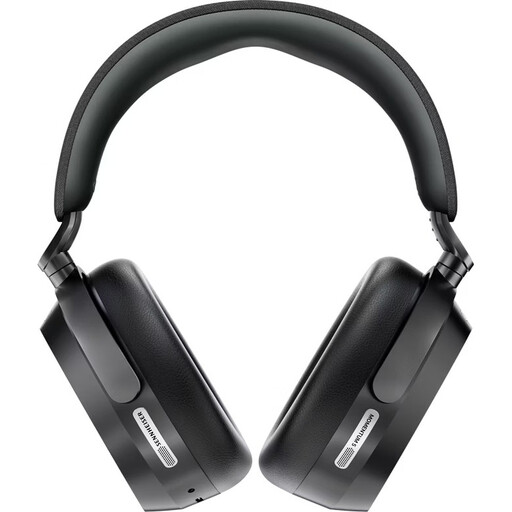
Sennheiser Momentum 5 Wireless, Black
Listed as a closed-back ANC option for a busy listening space; check how its sound balance works with your orchestral comparisons using familiar passages.
Bluetooth 5.4, a 3.5 mm audio connection and a stated battery life of up to 57 hours.
View at Joybuy
 No image available
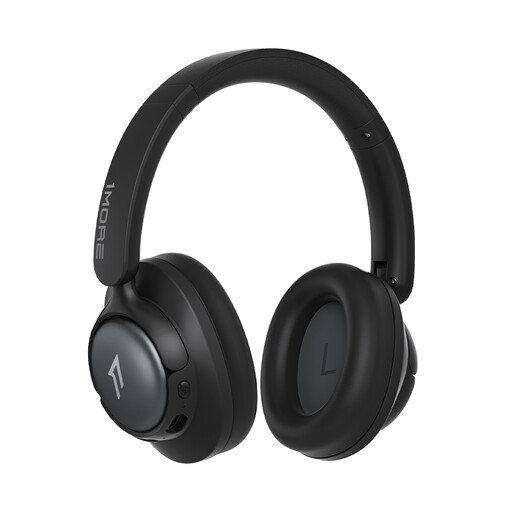
1MORE HQ31 SonoFlow SE, Oat White
Listed as an ANC over-ear option for a busy listening space. Check how its sound balance works with your recordings before using it for critical comparisons.
The product name specifies Hi-Res Audio and playback time of up to 90 hours.
View at Joybuy
 No image available
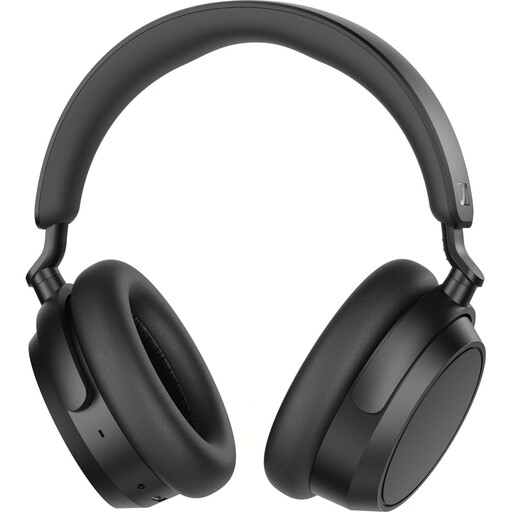
Sennheiser Accentum Plus Wireless, Black
This closed-back ANC model may suit a busy listening space, but that alone doesn’t mean it’s suitable as a sound reference.
Bluetooth 5.2 with aptX, a detachable cable and a stated battery life of up to 50 hours.
View at Joybuy
 No image available
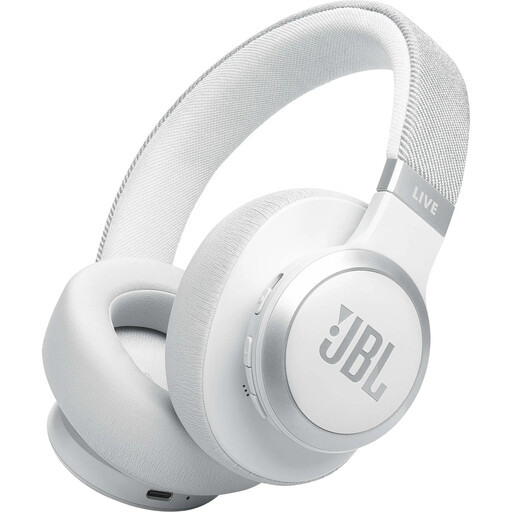
JBL LIVE 770NC, White
Listed as a closed-back ANC option for a busy listening space. Still, compare its sound balance with your orchestral recordings before using it as a reference.
The product name specifies a detachable audio cable.
View at Joybuy
 No image available
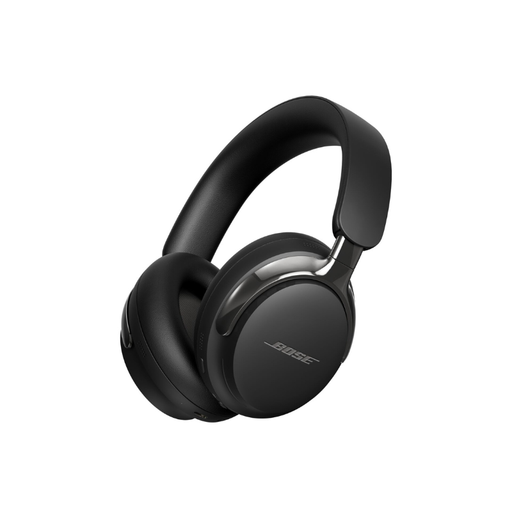
Bose QuietComfort Ultra 2nd Gen, Black
If you’re considering this model for a busy space, check whether its sound balance and fit suit your comparison needs using recordings you know well.
The product name specifies an audio cable and a 3.5 mm audio connection.
View at Joybuy
Frequently asked questions
Can I turn up the volume to hear quiet orchestral passages over office noise?
Don’t rely on listening at a higher volume for longer periods. According to the WHO, the risk to your hearing depends on volume, duration and how often you listen. The WHO recommends well-fitting headphones, with noise cancellation if appropriate, to reduce the need to turn them up in noisy surroundings.
What should I do when connecting the headphones for the first time and comparing recordings?
First, check that the plug and, if needed, the adapter fit your device’s socket. Set the volume low before putting the headphones on, then compare the same sections of each recording at as similar a volume as possible. The position of the volume control alone doesn’t tell you the level reaching your ears.
What should I check for care, replacement parts and accessories?
Check that cables and replacement cushions match the exact model version. For the DT 770 PRO with 80 Ohm, beyerdynamic lists replaceable ear cushions; for the DT 770 PRO X, it lists a detachable Mini XLR cable. Also check whether your device needs an adapter.
Can studio headphones replace the hearing protection required at work?
Not simply because they’re described as “studio headphones”. If the relevant noise action values are reached in the workplace, the requirements of the Noise and Vibration at Work Regulations apply; under these requirements, the employer must select or provide suitable personal hearing protection. A busy office alone doesn’t establish that action values have been exceeded or that hearing protection is required.
What are my returns options when buying online in Germany?
The Verbraucherzentrale states that online purchases generally come with a 14-day right to cancel, starting from the day you receive the goods; you must notify the retailer that you’re cancelling. Check the terms of your specific contract, as this period describes the cancellation right for the relevant online purchase.


