Listeners dealing with household noise
You want to follow readings despite regular noise at home, without simply turning up the volume.


For listening to poetry in a noisy home, a well-fitting, closed-back pair of headphones is a good place to start. Whether ANC will help as well depends on the noise and the fit. The WHO recommends well-fitting, noise-reducing headphones to make you less likely to turn up the volume in noisy surroundings. If you listen in one place and would rather not worry about a battery, consider a closed-back wired model; how much it blocks out depends on the fit.
You want to follow readings despite regular noise at home, without simply turning up the volume.
You listen to longer recordings in one sitting and need a comfortable fit for your ears and, if applicable, your glasses.
You mostly listen on a device at home and are considering a wired option that doesn’t need a battery.
A good fit if: Household noise regularly gets in the way and you’d rather not simply turn up the volume.
The trade-off: ANC needs power, and its effectiveness and comfort also depend on the fit and the type of noise.
A good fit if: You mostly listen in one place and don’t want to worry about a battery.
The trade-off: Passive noise isolation depends on the fit, and the cable limits your freedom to move around.
A good fit if: You’d rather have a compact design than over-ear headphones, and the eartips feel comfortable.
The trade-off: Fit and eartips are a matter of personal preference. Check the exact model when comparing battery-life claims.
For listening to poetry in a noisy home, it’s not just about blocking out noise. You’ll also want clear speech, a comfortable fit and a connection that works with your playback device.
| Priority | What to check before buying | Who is this especially important to? |
|---|---|---|
| Reducing distracting noise | Check the closed-back design, how the cushions or eartips fit, and the ANC and transparency modes on the exact model. | When household noise drowns out quiet verses, I don’t want to simply turn up the volume. Around 36% of consumers put reducing distracting noise first. |
| Following spoken words | Listen to a familiar reading at a moderate volume and try out any sound settings on the specific model. | I want to make out every word in a spoken reading and judge the sound using a familiar recording. Around 29% of consumers prioritise speech clarity. |
| Comfort for longer listening sessions | Try the headband and cushions or eartips for as long as you plan to listen, and with glasses if applicable. | I want my headphones to stay comfortable throughout a long reading, even with glasses, and I want to avoid pressure points. Around 21% of consumers prioritise long-wear comfort. |
| Connections and ease of use | Check the connection to your playback device, whether a cable is included and whether the specific model needs charging. | When I listen in one place, I want a suitable connection without the hassle of charging unnecessarily. Around 14% of consumers prioritise connections and ease of use. |
How clearly you can hear a reading also depends on the fit, the type of background noise and the recording itself.
Try ANC with spoken-word audio and the usual sounds in your home, rather than relying only on a marketed noise-reduction figure.
A poor fit can reduce noise isolation, while pressure points can make longer listening uncomfortable. Bose notes that glasses may affect the seal of the cushions on one QuietComfort model.
Try the cushions or eartips for as long as you plan to listen, and wear your glasses if applicable.
Battery-life claims are based on the test conditions stated by the manufacturer. For in-ear headphones, playback time with the charging case isn’t the same as the battery life of a single listening session.
Check the battery life with ANC enabled and the test conditions for the exact model.
If the battery life isn’t long enough for your listening sessions, you’ll need to charge more often.
The information below applies to the product ranges mentioned. Battery-life figures are from the manufacturers and are based on the conditions stated.
The WH-1000XM6 is a closed-back, over-ear ANC model that supports Bluetooth and a wired audio connection, according to Sony.
The QuietComfort Ultra Headphones (2nd Gen) are over-ear ANC headphones with an ambient mode.
According to the manufacturer, ACCENTUM Wireless includes a Podcast mode for customisable sound.
The K371 are closed-back, wired over-ear headphones for listening in one place.
Space A40 are a compact in-ear alternative with ANC.
Joybuy headphone options for listening to poetry in a noisy home.
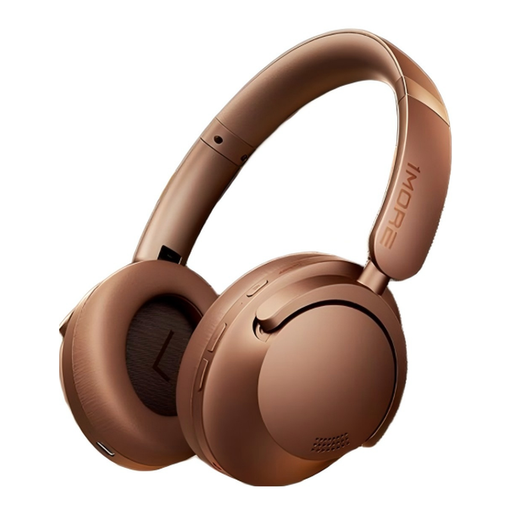 No image available
If you’re considering this model for listening to a reading, first check its design and fit, as well as how it connects to your playback device.
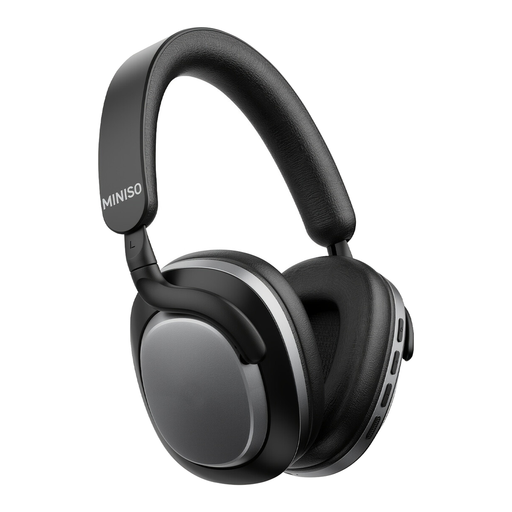 No image available
This model may suit you if you’re looking for over-ear noise-cancelling headphones to help with household noise. Check the fit and how effective they are with a spoken-word recording.
Wireless, over-ear design, noise cancelling and a stated battery life of 24 hours.
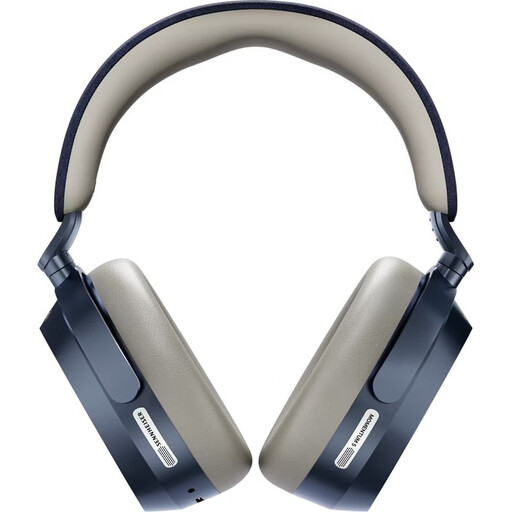 No image available
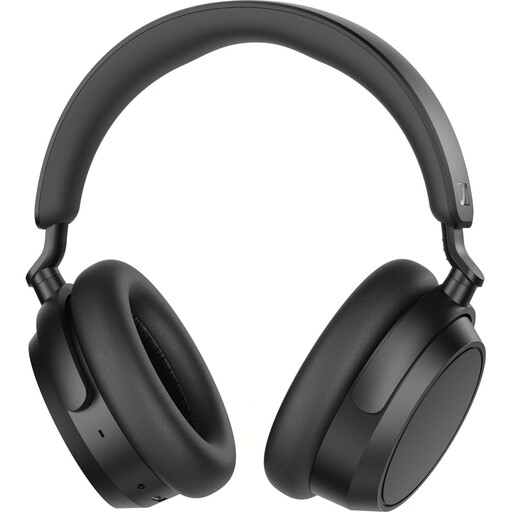
If you’re looking for ANC to help with household noise, this model may suit you. Try it with a familiar recording to see how clearly it reproduces speech.
Active Noise Cancellation, Bluetooth 5.4, 8 microphones and Dolby Atmos.
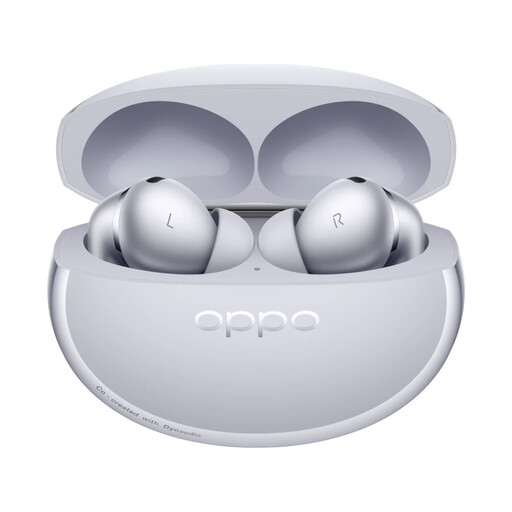 No image available
If you’d rather wear earbuds than a headband, this in-ear model may suit you, provided the eartips feel comfortable and stay securely in place.
True wireless and noise cancelling.
 No image available
The over-ear design may be comfortable for longer readings if it fits your head well. Also check whether you’d like to use the detachable cable.
Active Noise Cancellation, Bluetooth 5.2 with aptX and Multipoint, 50-hour battery life and a detachable cable.
No, not as a substitute for suitable noise isolation. The WHO recommends well-fitting headphones and, where appropriate, noise cancelling to make you less likely to turn up the volume in noisy surroundings. It also advises keeping the volume limited and taking listening breaks.
First check the fit, then compare ANC and ambient modes while listening to your recording. These modes are documented for the Bose QuietComfort Ultra Headphones (2nd Gen), but their names and controls may differ on other models.
Check the fit and condition of the cushions, and make sure the microphone openings aren’t blocked, following your model’s instructions. For another specifically named QuietComfort model, Bose lists glasses, poorly fitting cushions and covered microphones as possible causes. This is model-specific guidance, not a diagnosis for all headphones.
According to Verbraucherzentrale, online consumer contracts generally come with a 14-day right to cancel, starting from when you receive the goods. You must notify the retailer that you wish to cancel. Check whether any exceptions apply to your purchase. Your rights if goods are faulty are separate.
For relevant products, the Bundesnetzagentur checks matters including CE marking, product identification, German-language instructions and the declaration of conformity. CE marking is the manufacturer’s declaration, not an independent quality mark for sound or ANC. Check the documentation for the specific Bluetooth model.