For close listening to dialogue
If you’re listening to quiet lines repeatedly in a quiet room, open-back headphones may be one way to compare recordings. However, they won’t block out noise in the room.


If you’re listening alone in a quiet room and want to compare speech details, open-back wired headphones may suit you. If distracting noise is an issue, or you want to disturb others less, a well-fitting closed-back model is a good alternative. For noisy study spots that change from day to day, consider a closed-back model with ANC. ANC reduces noise where you’re listening, but it won’t remove distractions already present in the recording. So also check whether big volume differences in the file call for separate dynamic range processing.
If you’re listening to quiet lines repeatedly in a quiet room, open-back headphones may be one way to compare recordings. However, they won’t block out noise in the room.
If noise in your study space is distracting, or you want to disturb others less when replaying audio, consider the fit and sound leakage of a closed-back model.
When you’re studying in different places, some of them noisy, the right level of isolation, a suitable connection and a moderate listening volume all matter. Well-fitting noise-cancelling headphones may be an option.
First, work out whether it’s your study space or the recording itself that’s causing a problem. Then compare headphone type, fit and connection options.
A good fit if: you listen alone in a quiet room and want to compare speech details or recordings. Sennheiser describes the HD 560S as an open-back model for analytical listening.
The trade-off: An open-back design won’t block out noise in the room and may let sound escape. Check that the plug is compatible with your playback device’s output.
A good fit if: noise in your study space is distracting, or you want to be considerate of others when replaying audio. beyerdynamic describes the DT 770 PRO X as closed-back and wired; Audio-Technica lists passive isolation for the ATH-M50x.
The trade-off: How much noise they block depends partly on the fit. Also check that the cable connection is compatible with your device.
A good fit if: you often study in noisy places or somewhere new and want to reduce noise where you’re listening. The WHO recommends well-fitting noise-cancelling headphones to help reduce the need to turn up the volume in noisy surroundings.
The trade-off: ANC doesn’t alter the audio file. Check the fit, battery life and connection mode you need; Sony lists ANC, ambient sound mode and a headphone socket for the WH-1000XM6.
| Buying priority | What should you look for? | Who is it important for? |
|---|---|---|
| Quiet speech and details in recordings | Compare the same quiet line and a loud scene at a moderate volume. Keep listening comparisons separate from dynamic range processing. | If you compare dialogue repeatedly, you’ll want to assess speech details at a moderate volume. Around 36% of consumers put speech details first. |
| Noise in the room | Check the fit and any distracting noise in your study space; compare passive isolation with ANC. | If noise in your study space interferes with your listening, good isolation matters. Around 29% of consumers say blocking out noise in the room is their top priority. |
| Comfort during long listening sessions | Consider the fit and padding material; if possible, try them on for a typical study session. | When listening back for long periods, you’ll want the fit and padding to feel right. Around 21% of consumers put comfort first. |
| Connection to your playback device | Check the socket, plug or Bluetooth compatibility with the specific device, as well as whether you need to use a cable. | If you switch between a computer and a mobile device, check the connection options first. Around 14% of consumers prioritise connecting to their playback device. |
Isolation and ANC deal with noise where you’re listening. If quiet and loud sections vary greatly within the file, that’s a different problem.
First, play the same section in a quiet room. If the difference in volume between parts of the recording is distracting, look into a suitable dynamic range feature separately from buying headphones. Audacity Support explains how a compressor or limiter can reduce dynamic range.
A different pair of headphones may not solve the problem if the volume changes are already in the recording.
Open-back headphones won’t solve problems caused by distracting noise in the room. A manufacturer’s description doesn’t prove how clearly you’ll hear your particular recording.
Choose based on where you study and how much sound you want the headphones to let through. Then compare familiar dialogue scenes using the headphones you’re considering.
JBL notes that some versions of the Tour ONE M3 are sold without SMART Tx. Connections and operating modes also vary by model.
Check the full model name, connections and what’s included with the specific version.
Depending on the connection you need, you may need an additional adapter or transmitter.
According to Sennheiser, the open-back, wired HD 560S is an option for analytical listening in a quiet environment.
According to the manufacturer, the DT 770 PRO X is a closed-back, wired pair of headphones.
The wired ATH-M50x is a closed-back monitor headphone option for study spaces with background noise.
According to Sony, the WH-1000XM6 combines ANC and ambient sound mode with Bluetooth and a wired connection option.
The QuietComfort Ultra Headphones (2nd Gen.) are an ANC option with an adjustable EQ.
The Tour ONE M3 is a wireless ANC option; the version with SMART Tx may be useful with different audio sources.
The models listed here are wireless over-ear headphones with ANC, suited to study spaces where background noise is distracting. Depending on the model, wired use or different battery life figures are also listed.
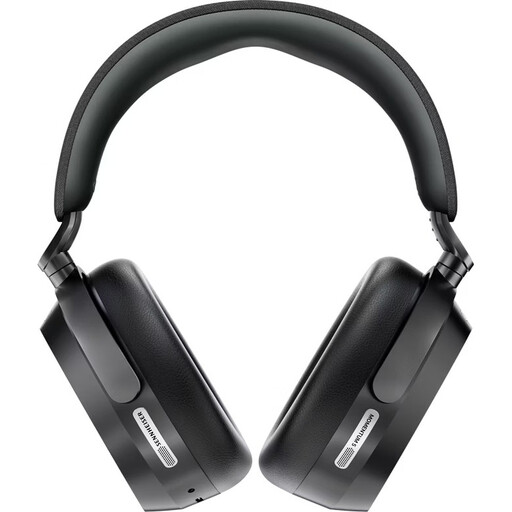 No image available
An option for study spaces with distracting background noise; ANC won’t make quiet sections within a recording louder.
Closed-back design, Bluetooth 5.4 and up to 57 hours of battery life, according to the product name.
The product name also mentions a replaceable battery.
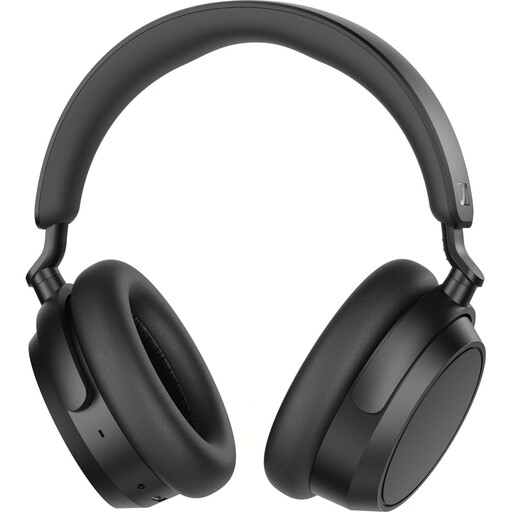 No image available
ANC is an option for study spaces with background noise; also check that wired use is compatible with your device.
The product name lists Bluetooth 5.2 with aptX, Multipoint, 50 hours of battery life and a detachable cable.
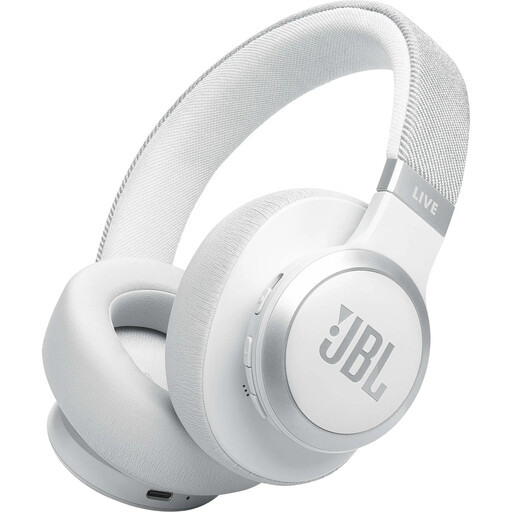 No image available
A wireless over-ear option for studying in places with distracting background noise.
The product name lists noise cancelling and a detachable audio cable.
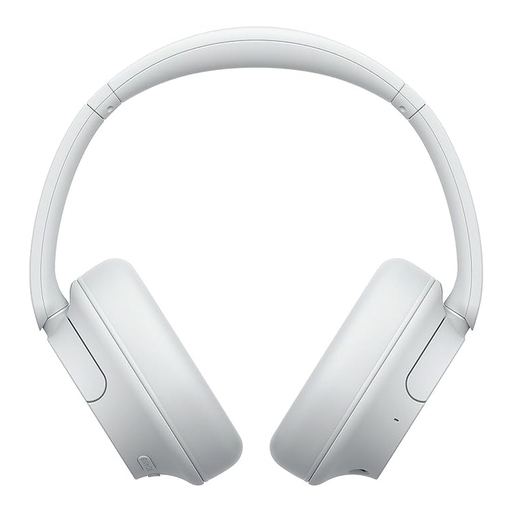 No image available
These wireless noise-cancelling headphones are an option for study spaces with distracting outside noise.
The product name lists Multipoint Bluetooth, a 3.5 mm audio socket and 35 hours of battery life.
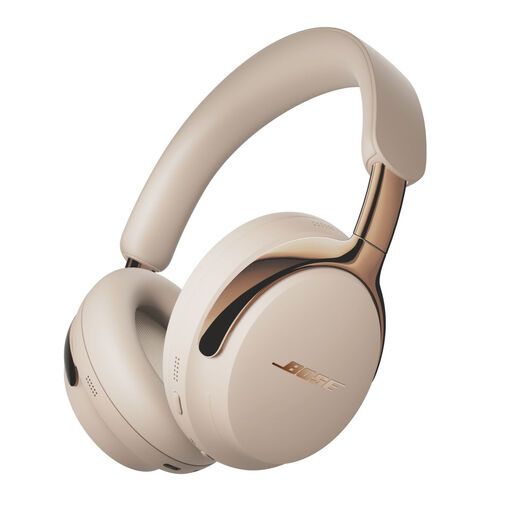 No image available
An ANC option for study spaces where background noise is distracting. ANC doesn’t adjust the dynamics of the recording itself.
Before buying, check the details for wired use and battery life for the specific version.
No. ANC is designed for background noise where you’re listening; it doesn’t separate voices from other sounds within a finished recording. If quiet and loud sections vary greatly in volume, a suitable playback or editing feature for dynamic range compression may be another option.
Check the plug and any adapters you may need against your computer’s headphone output. Sennheiser lists both a 3.5 mm and a 6.35 mm connection for the HD 560S; whether you can connect without extra accessories depends on your device’s sockets.
Don’t keep turning the volume up, and check the loudest scene after a quiet section. The WHO recommends listening at a moderate volume and using well-fitting noise-cancelling headphones in noisy surroundings to help reduce the need to turn the volume up.
Try a dynamic range feature in your playback or editing software rather than expecting headphones to make the change. Audacity Support describes a compressor and limiter as tools for reducing dynamic range; keep comparing the result with your recording.