Practising with a room-mate
If you share a bedroom with someone, you’ll want to keep sound from your backing track from leaking out as much as possible. Even with headphones on, other people can still hear your singing voice.


If you practise alongside someone else, start with a well-fitting pair of closed-back over-ear headphones. Compared with open-back models, this design lets less sound from the headphones escape and does a better job of blocking out ambient noise, as Musikhaus Thomann explains. Then, at a moderate volume, check how clearly you can pick out the voices in your recording, whether the headphones stay comfortable for your usual practice session and whether the connection works with your playback device. Your own singing voice will still be audible in the room, so open-back models are more suited to practising alone in a quiet space.
If you share a bedroom with someone, you’ll want to keep sound from your backing track from leaking out as much as possible. Even with headphones on, other people can still hear your singing voice.
If you replay vocal passages to identify an individual harmony part, check how clearly you can hear it on your own playback device rather than relying solely on the stated frequency range.
For longer sessions, you’ll need to balance sound isolation against potential pressure and heat build-up. Replaceable ear pads can be important if you use your headphones regularly.
A good fit if: you practise alongside someone else or want to record your voice with a microphone.
Things to consider: The ear pads may feel warm or press on your ears during longer sessions; your own voice will still be audible in the room.
A good fit if: you mostly practise alone in a quiet room and sound isolation is less important.
Things to consider: Open-back models let ambient and headphone sound pass through more easily. Semi-open models are not a reliable substitute for the isolation offered by a closed-back design.
| Concern | What to check when buying | Who it matters most to |
|---|---|---|
| Sound leakage and isolation | Closed-back design and how the ear pads fit; bear in mind that they may feel warm or press on your ears. | If I share a bedroom with someone, I want to minimise how much of the backing track they can hear. Around 40 % of consumers put sound isolation first. |
| Picking out individual voices | Try a challenging passage on the playback device you plan to use, at a moderate volume. | When practising, I want to be able to follow individual vocal lines in my recording at a moderate volume. Around 30 % of consumers prioritise being able to pick out individual voices. |
| Comfort during repeated practice | Check the fit and clamping force; if you use the headphones regularly, see whether replacement ear pads are available. | For longer or repeated sessions, I need a fit that doesn’t press on my ears or get too warm. Around 20 % of consumers prioritise long-term comfort. |
| Connections and recording | Check the plug type and any required adapter against your device’s headphone output. | If I use an audio interface or record, the headphones need to work with its output and let me monitor the sound. Around 10 % of consumers prioritise connections or recording. |
Open-back headphones let sound from the headphones and the room pass through more easily. This can be disruptive when you’re practising alongside someone else.
For a shared room, start by trying a well-fitting pair of closed-back headphones. Consider open-back headphones for quiet practice sessions on your own instead.
Sennheiser quotes up to 32 dB of ambient noise attenuation for the HD 280 PRO. “Up to” is not a guaranteed figure for every fit or frequency. And headphones won’t reduce the sound of your own singing voice.
Check the fit and, at a moderate volume, listen for how much of the backing track can be heard outside the headphones.
Models vary in how their cables attach, their connections and the spare parts available. A connection that doesn’t match your playback device can make the headphones harder to use.
Check the exact model variant’s socket and what’s included. Make sure any adapters you need are supplied, and check whether replacement cables or ear pads are available.
The closed-back DT 770 PRO variants are worth considering for monitoring; the impedance option is part of your buying decision.
The closed-back ATH-M40x is an option for practice and potentially recording if detachable cables matter to you.
The closed-back HD 280 PRO is an option if passive isolation and replaceable ear pads are important to you.
The closed-back, foldable K371 is another model to consider if a foldable design and the stated weight are important to your choice.
Sony markets the MDR-7506 as a headphone option for studio use.
The following Joybuy options are over-ear headphones for listening to backing tracks repeatedly. Before buying, check that their connection and operation suit your playback device. The product features don’t prove that they’ll make every harmony part easier to pick out.
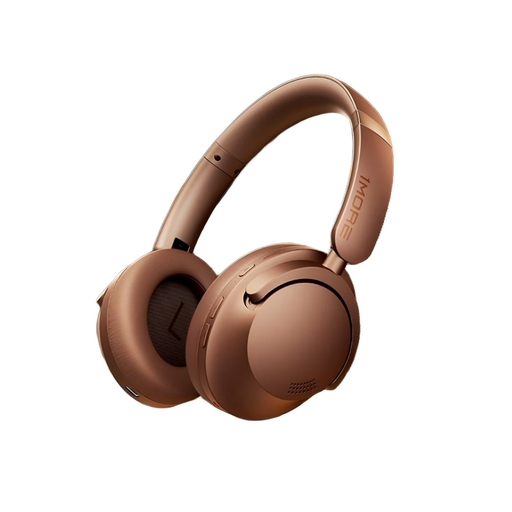 No image available
Could be worth considering for listening to backing tracks repeatedly; the product details describe an over-ear design with noise cancellation.
Check that the connection suits your playback device and that the backing track is clear at a moderate volume.
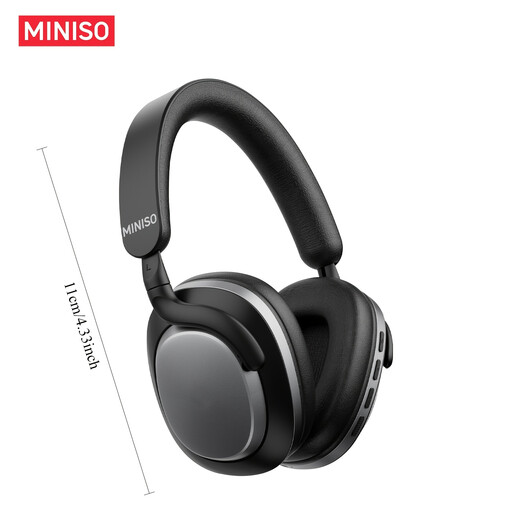 No image available
The product name describes an over-ear design with noise cancellation for listening to backing tracks.
Battery life is listed as up to 24 hours. Check whether wireless use suits your practice setup.
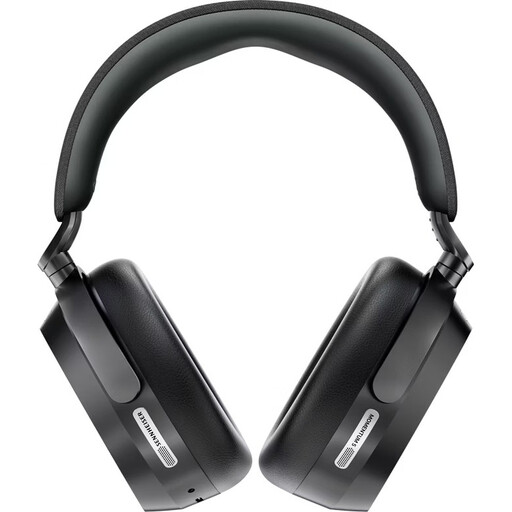 No image available
The product name describes a closed-back over-ear design with active noise cancellation. Check the fit and how much of the backing track actually leaks out.
Product features include Bluetooth 5.4, up to 57 hours of battery life and a replaceable battery.
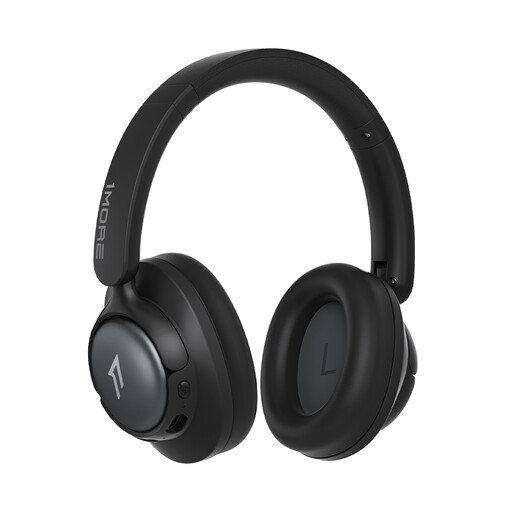 No image available
The product details list an over-ear design and noise cancellation for listening to backing tracks repeatedly.
The product name specifies up to 90 hours of playback; according to the product description, the audio cable is detachable. Check that the connection suits your device.
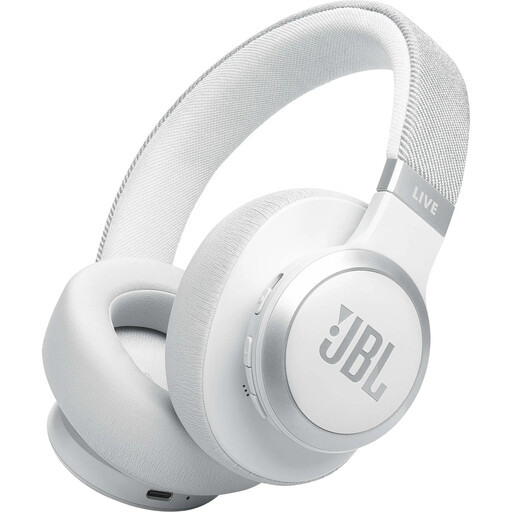 No image available
The product name describes an over-ear design with noise cancellation. If you practise alongside someone else, check how much sound leaks out when you wear them.
The product description lists a detachable audio cable; check that the connection works with your playback device.
Closed-back headphones can reduce how much sound from the backing track escapes, but they won’t block out your own singing voice. So bear in mind how loudly you sing and when you practise.
If you use an audio interface, check whether it has a direct monitoring function. Focusrite says that certain Scarlett generations offer near-zero-latency monitoring directly through the headphone output; the function and how you use it depend on the interface.
Follow the care instructions for your specific model and check whether replacement ear pads are available. Replaceable ear pads are listed for the 80-ohm DT 770 PRO from beyerdynamic and the HD 280 PRO from Sennheiser.
According to the EU’s Your Europe consumer portal, purchases from a trader generally come with a 14-day right to cancel from the date of delivery, although exceptions apply. You may have to pay the return postage if the trader has informed you of this and doesn’t cover the cost. For new faulty goods bought from a trader, Your Europe states that the minimum legal guarantee is two years; the trader must cover the cost of returning faulty goods.
Not without limit: the World Health Organization points out that volume and listening time affect your hearing. Start at a moderate volume, make sure the headphones fit well and take listening breaks during longer practice sessions.