Considerate listeners
You listen while someone beside you is sleeping, reading or working, so keeping sound leakage to a minimum is essential.


If someone beside you is sleeping or needs some peace and quiet, start with a well-fitting pair of closed-back headphones and check how much sound escapes at your usual listening volume. ANC may also help with disruptive room noise, while open-back headphones are more suitable for listening when the person beside you doesn’t need quiet. RTINGS.com notes that open-back models typically let more sound escape, and that ANC performance varies between models. Spatial sound is no guarantee of a particular model’s suitability.
You listen while someone beside you is sleeping, reading or working, so keeping sound leakage to a minimum is essential.
You want to hear quiet orchestral passages despite recurring background noise. You’re comparing isolation and extra ANC rather than simply turning up the volume.
You mostly listen when no one beside you needs peace and quiet, and want to compare open-back and closed-back models using recordings you know well.
A good fit if: You listen beside someone who needs quiet and don’t want to rely on charging or ANC.
Consider: The cable, clamping force and fit may become uncomfortable during longer listening sessions. Closed-back ear cups won’t eliminate sound leakage completely.
A good fit if: Ongoing room noise is drowning out quiet passages and you’d like to listen wirelessly.
Consider: ANC works differently depending on the noise and the implementation. It’s no substitute for a good fit or checking how much sound escapes, and you’ll also need to factor in battery life and charging.
A good fit if: You listen when it’s quiet and want to try an open-back sound for yourself.
Consider: Open-back ear cups typically let more music out and more room noise in, so they’re less suitable when someone beside you needs quiet.
| Priority | What to check when buying | Who is it important to? |
|---|---|---|
| Sound leakage | Open-back or closed-back design; check the fit and how much sound is audible at your usual listening volume. | If someone beside you is sleeping or needs quiet, you’ll want to minimise what they can hear. Around 33% of consumers put keeping sound leakage to the person sharing their room to a minimum first. |
| Isolation from room noise | Check the fit of a closed-back model and, if needed, compare it with ANC using the same quiet passage. | If ventilation or other ongoing noise masks quiet passages, you’ll want a more peaceful listen without simply turning up the volume. Around 25% of consumers prioritise isolation from room noise. |
| Sound character and spaciousness | Compare familiar orchestral recordings at a similar volume. Don’t assume the manufacturer’s sound descriptions will match your own listening experience. | If you want to compare sections of the orchestra and quiet details, and can listen undisturbed at suitable times, your personal impression of the sound matters. Around 25% of consumers put comparing sound first. |
| Comfort and everyday use | Try the clamping force and ear cushions, and check that the cable, connection or charging needs suit your listening habits. | For longer listening sessions, you’ll want a comfortable fit and an easy connection to your audio source. Around 17% of consumers prioritise comfort and practical long-term use. |
Open-back ear cups typically let more sound out and more room noise in. A promoted soundstage doesn’t tell you how loud your music will sound to someone else.
Only compare open-back models when the time is right for listening. If someone beside you needs quiet, start with closed-back models and check sound leakage from the actual distance.
ANC is designed to reduce the noise you hear. It doesn’t tell you how much of your music escapes.
Check isolation from room noise and sound leakage separately, and compare the design, fit and specific model.
Variants can differ in their connections and cables, and you can’t tell from the model name alone whether the clamping force will feel comfortable.
Check the full model name against the output on your audio source, and try the fit if you plan to listen for longer periods.
The open-back HD 560S and closed-back HD 620S offer two different designs for listening at home.
The closed-back DT 770 PRO X and open-back DT 900 PRO X offer two different wired approaches.
The WH-1000XM6 is a closed-back wireless over-ear option with ANC.
The QuietComfort Ultra Headphones (2nd Gen) are another wireless ANC option to compare with recordings you know.
The ATH-M50x is a closed-back wired monitoring headphone.
The models below are mainly for wireless listening with ANC; the Bose model is a wired in-ear headphone. Check that each model’s design and connection suit your listening situation.
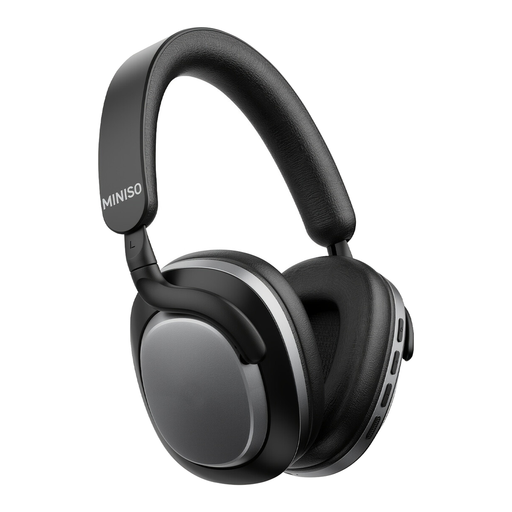 No image available
The over-ear design and ANC make these an option if you’d like to listen wirelessly and compare how they handle room noise.
The product details list ANC and battery life of up to 24 hours.
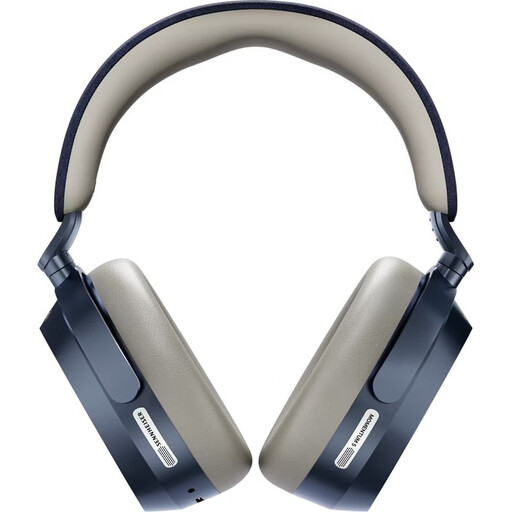 No image available
Bluetooth and the listed cable option give you two ways to connect, so you can switch between them to suit your listening situation.
The product details list ANC, Bluetooth and a 3.5 mm audio cable. According to the product description, battery life is up to 57 hours with ANC switched on.
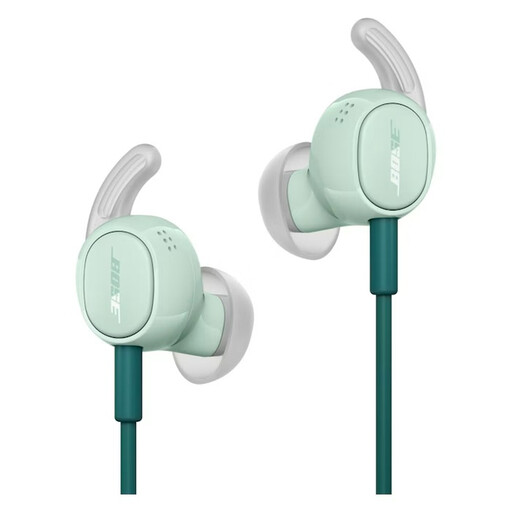 No image available
These wired in-ear headphones may suit you if you want to use USB-C audio. Check that they’re compatible with your device.
The product description lists Quiet, Aware and ANC-off modes, as well as ear tips in sizes S, M and L and stability wings in sizes M and L.
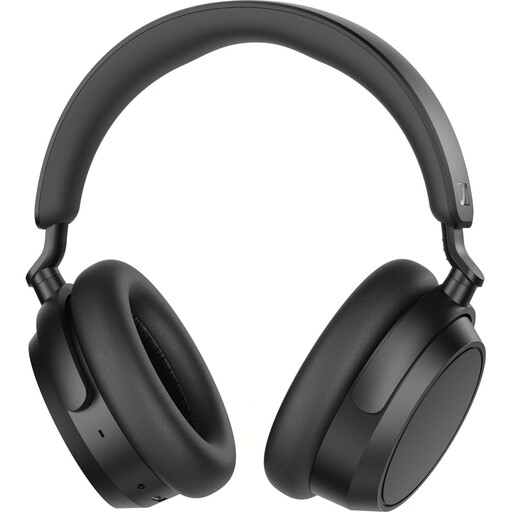 No image available
The closed-back design, ANC and detachable cable give you options for dealing with room noise and listening with a wired connection.
The product details list Bluetooth, ANC and battery life of up to 50 hours.
 No image available
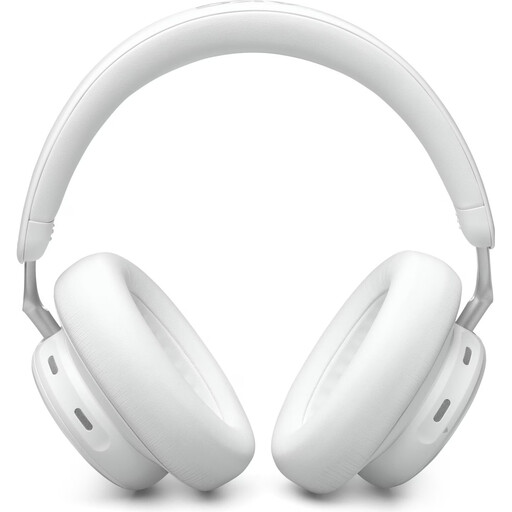
The listed closed-back over-ear design and cable option are worth considering if you want to compare ANC and connection options.
The product details list True Adaptive Noise Cancelling, Bluetooth 5.3, a 3.5 mm connection and battery life of up to 55 hours.
ANC reduces the noise you hear; you’ll need to assess sound leakage separately. Compare the design, fit and specific model.
Check that the plug and, if necessary, the adapter match the output on your audio source. Sennheiser lists 3.5 mm and 6.35 mm connection options for the HD 560S. Check with your audio source that you can reach your preferred listening level.
First check the fit and isolation rather than raising the volume just because of room noise. The World Health Organization recommends keeping the volume low and paying attention to how long you listen.
Check whether replacement ear cushions and, if needed, a replacement cable are available for your exact model. With wireless headphones, you should also consider how often they need charging and the stated battery life in the sound mode you use.
When you buy from a trader as a consumer, statutory rights apply if the product is faulty. According to the European Union’s consumer information, the minimum period is two years from the date you receive the goods. Contact the seller if there’s a fault.