Practising in a noisy household
If other sounds at home drown out the recording, start by checking how the headphones fit and how well they isolate sound.


If you want to hear a harmony part despite household noise, well-fitting, closed-back headphones are a sensible starting point, but they can’t guarantee complete silence. For simply playing a recording, all you need is a suitable pair of headphones. If you also want to hear your own microphone signal, check the signal path and monitoring function on your recording equipment.
If other sounds at home drown out the recording, start by checking how the headphones fit and how well they isolate sound.
If you sing along to a recording and want to monitor your voice through a microphone, the right connection and the monitoring signal path on your recording equipment are key.
If you practise often or for long sessions, a comfortable fit and replacement ear pads for your specific model are worth considering.
First, decide whether you’ll just be listening to the recording or also monitoring your own microphone signal. This will determine whether your recording equipment’s signal path needs to factor into your choice.
| Criteria | What to check before buying | Who should pay particular attention? |
|---|---|---|
| Household noise and sound leakage | Closed-back design and fit on your head; a stated noise reduction figure doesn’t guarantee protection from every sound. | If I want to hear my harmony part despite household noise, isolation is the first thing I check. Around 33% of consumers put it top of their list. |
| Hearing each vocal part in a recording | Listen to familiar passages at a moderate volume and check whether you can clearly distinguish the different voices. | If I want to follow the harmony part in a recording, I check that I can make out the passage clearly. Around 27% of consumers put hearing vocal detail top of their list. |
| Hearing your own voice without distracting delay | Check whether your recording equipment offers Direct Monitoring or a similar feature, and whether the connection and adapter are compatible. | If I want to hear my microphone signal while singing, the signal path on my recording equipment matters. Around 20% of consumers put self-monitoring top of their list. |
| Fit and comfort over longer sessions | Try the fit if possible, and check which replacement ear pads and cable type are available for the specific model. | If I repeat passages often, I want a comfortable fit and to know which parts are replaceable on the exact model. Around 20% of consumers put fit and maintenance top of their list. |
How well the headphones isolate sound in practice also depends on how the ear pads fit your head. Sennheiser’s figure of up to 32 dB for the HD 280 PRO is a maximum, not a guarantee for every fit or household noise.
If possible, check the fit against the sounds that actually disturb you while practising, and listen at a moderate volume.
Focusrite describes Direct Monitoring as a feature of compatible interfaces. Simply switching to a different pair of headphones won’t necessarily get rid of a delay when monitoring your own microphone signal.
First, check your microphone, recording equipment and available monitoring signal path. Then choose headphones with a compatible connection.
The cable details differ: the DT 770 PRO, 80 Ohm, is listed with a straight cable; the detachable Mini XLR cable is a feature of the DT 770 PRO X.
Check the full model name before buying and choose replacement parts specifically for that version.
The closed-back DT 770 PRO, 80 Ohm, is a wired monitoring option. The DT 770 PRO X is a different model.
The closed-back HD 280 PRO is a specific option to consider if noise isolation is a priority while you practise.
The ATH-M40x is a closed-back monitoring headphone you can compare for fit and sound profile.
The closed-back K371 may be worth considering if you want to compare foldable headphones with interchangeable cables.
The MDR-7506 is another studio headphone option to compare for fit and its fixed-cable design.
This selection includes headphones with active noise cancellation for listening to recordings in noisy surroundings. To hear your own microphone signal with minimal delay, the monitoring function on your recording equipment is still key.
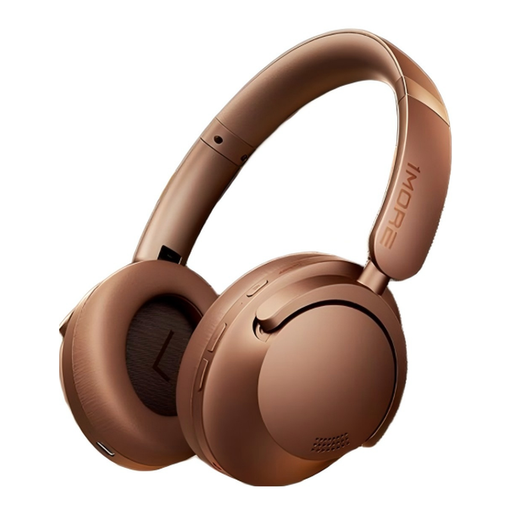 No image available
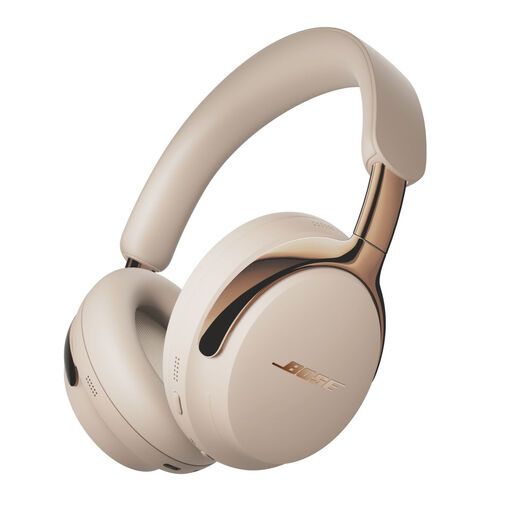
These over-ear headphones with active noise cancellation may suit you if you listen to recordings in a noisy environment; check how well they work in your room.
The product description mentions memory foam earcups and long playback time, but doesn’t specify an exact duration here.
The monitoring function on your recording equipment remains essential if you want to hear your own microphone signal.
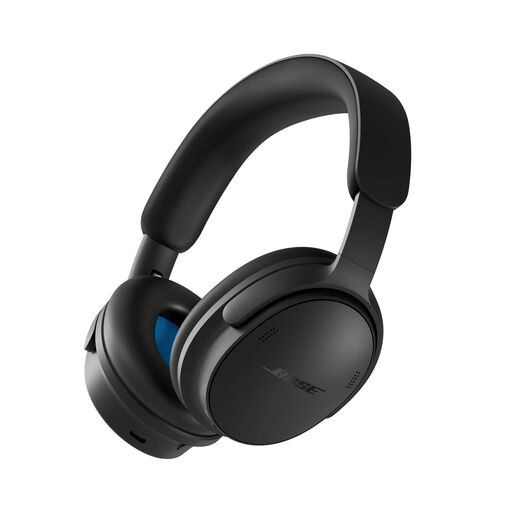 No image available
The product details list active noise cancellation and a wired listening option, both of which may be useful when playing recordings.
The description lists a 3.5 mm connection and an audio cable; check that they’re compatible with your recording equipment.
To monitor your own microphone signal, also check whether your recording equipment offers Direct Monitoring or a similar feature.
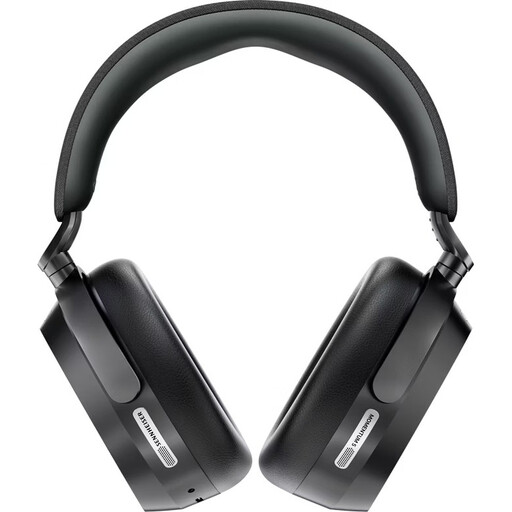 No image available
The product details list a closed-back design and active noise cancellation; check for yourself how much noise they block out at home.
The description lists an audio cable and a 3.5 mm connection. Check that this listening option is compatible with your device.
Headphones alone can’t replace your recording equipment’s monitoring function if you want to hear your microphone signal while singing.
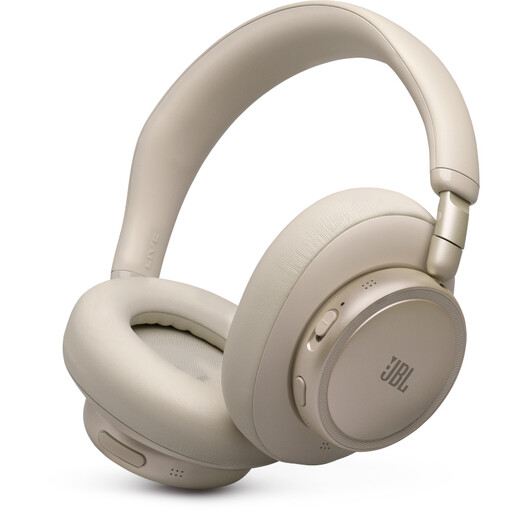 No image available
The product details list active noise cancellation for listening to recordings in noisy surroundings; check how well it works in your own environment.
A USB-C to 3.5 mm analogue cable is listed as an accessory. Make sure it’s compatible with your device’s output.
The delay when monitoring your own microphone signal depends on the signal path and the function of your recording equipment.
 No image available
The product details list a closed-back design and active noise cancellation as an option for listening to recordings; actual noise isolation depends on the fit and your surroundings.
The cable connection details list a 2.5 mm socket and a 2.5 mm to 3.5 mm audio cable. Check that the connection works with your recording equipment.
Hearing your own microphone signal without distracting delay also depends on the monitoring function of your recording equipment.
Not if you’re simply playing a recording and practising along with it. If you want to hear your own microphone signal through headphones while recording, check whether your recording equipment offers Direct Monitoring or a similar feature. Focusrite describes Direct Monitoring for the interfaces listed on its site.
Check the fit and condition of the ear pads regularly, and choose replacement parts that match the exact model version. beyerdynamic lists replacement ear pads for the DT 770 PRO, 80 Ohm; Sennheiser describes the HD 280 PRO ear pads as replaceable.
For a distance contract with a consumer, there is generally a statutory 14-day right to cancel; statutory exceptions and the date from which the period runs should be taken into account. For ordinary purchased goods, section 438 of the German Civil Code (BGB) generally provides for a two-year limitation period for claims relating to defects, starting from delivery. This is separate from a voluntary manufacturer’s guarantee.
Not necessarily. According to the European Commission, CE marking is required only for products covered by harmonised EU rules that require it. The requirements for a specific product version need to be assessed individually.
No. The World Health Organization explains that the impact on your hearing depends on both volume and listening time. It’s better to check the headphone fit and listening environment than to constantly drown out background noise by turning up the volume.