For rehearsing in a noisy home, well-fitting, wired closed-back over-ear headphones or snug-fitting in-ears are a sensible starting point. What matters is the type of noise that bothers you and how comfortably the headphones fit. If you also want to hear your voice through a microphone, you’ll need a suitable signal path: Focusrite describes Direct Monitoring on compatible audio interfaces as a way to listen to the input signal with virtually no latency. ANC may help with steady, consistent noise, but it isn’t a reliable substitute for blocking out speech or monitoring your microphone.
Who this headphone guide is for
Singers with a recording setup
If you’re rehearsing or recording a backing vocal with a microphone, you’ll need to consider the backing track, microphone signal and potential sound leakage together. SoundGuys points out that sound from your headphones can bleed into the microphone when recording.
Singers in a noisy household
If voices or other sounds drown out the backing track, the specific type of noise and how your headphones fit are important. The Federal Institute for Occupational Safety and Health notes from its measurements that ANC does not necessarily block out background speech particularly well.
Singers with long practice sessions
For longer rehearsals, a comfortable fit, suitable connections and available replacement parts are all worth considering. Sennheiser describes replaceable ear pads for certain versions of the HD 280 PRO, including models from 2016 onwards.
What to look for when buying
Closed-back over-ear headphones
A good fit if: You prefer ear cups, want to hear the backing track over household noise or rehearse close to a microphone.
The trade-off: Fit and comfort depend on the shape of your head; manufacturers’ noise-isolation claims aren’t a guarantee for every household.
Wired in-ear headphones
A good fit if: You’d rather not wear a headband and can find ear tips that fit snugly and comfortably.
The trade-off: Isolation depends on the fit. Shure’s claim of up to 37 dB for the SE215 is a manufacturer’s claim, not a guarantee for every ear shape.
ANC headphones
A good fit if: You’re mainly bothered by steady low- or mid-frequency noise and mostly want to hear the backing track.
The trade-off: Measurements of headphones from 2019/2020 by the Federal Institute for Occupational Safety and Health found no particular potential for ANC to block out background speech. This isn’t a verdict on every model available today.
Open-back studio headphones
A good fit if: You’ll be reviewing recordings later in a quiet place, and noise isolation or low sound leakage isn’t a priority.
The trade-off: Their more open design makes them less suitable for singing in next to a microphone, as sound may bleed into it.
| What matters |
What to check before buying |
Who it matters most to |
| Hearing the backing track over noise |
Try on over-ear ear pads or in-ear tips; assess distracting voices and steady noises separately. |
If voices in my home drown out the backing track, I want to check whether the design blocks out those specific sounds, rather than simply turning the volume up. Around 36% of consumers say noise isolation is their top priority. |
| Monitoring your own voice |
Check whether you want to hear only playback or the microphone signal too; make sure the microphone, interface output and monitoring function work together. |
If I want to hear my microphone signal while singing, I’ll need a suitable signal path as well as headphones. Around 29% of consumers put vocal monitoring first. |
| A comfortable, snug fit |
Try them on with your usual glasses and for a realistic length of time; check whether the ear pads or tips can be replaced. |
For longer rehearsals, I want my headphones to be comfortable while still providing enough isolation for the backing track. Around 21% of consumers prioritise fit. |
| Connections and replacement parts |
Compare your device’s output, the adapters included, the cable type and the replacement parts available for the exact model variant. |
If I want to keep using my existing equipment and replace worn parts, the connection needs to suit my setup. Around 14% of consumers focus mainly on compatibility with their setup. |
Common misconceptions
-
ANC reliably blocks out all voices
How well it works depends on the type of noise. The Federal Institute for Occupational Safety and Health’s measurements relate to headphones from 2019/2020 and don’t support a blanket judgement about today’s models.
Test how the specific model handles the sounds that actually bother you when practising, rather than choosing based on the ANC label alone.
-
Headphones alone are a complete monitoring solution
Listening to playback and monitoring your own microphone signal are two different things. You’ll need a suitable signal path for the microphone signal too.
Before you buy, check the route from the microphone and backing track to the headphone output. Focusrite describes Direct Monitoring on compatible interfaces as a way to hear the input signal with virtually no latency.
-
DT 770 models with similar names are identical
According to the manufacturer, the classic beyerdynamic DT 770 PRO is available in 32, 80 and 250 ohm versions. The DT 770 PRO X has an impedance of 48 ohms and a detachable mini-XLR cable.
Check the full model name, impedance, cable design and connection against your device.
Key brands at a glance
Sennheiser
The closed-back HD 280 PRO is a wired monitoring option if isolation and replaceable ear pads are important to you.
- Sennheiser states that the HD 280 PRO offers up to 32 dB of ambient noise attenuation, and comes with a 3.5 mm plug and 6.3 mm adapter.
- The attenuation figure is the manufacturer’s claim and doesn’t replace trying them on. The ear pad set is listed for HD-280-PRO versions from 2016 onwards.
Shure
The wired SE215 is a compact in-ear monitoring option for anyone who prefers ear tips that create a seal.
- Shure lists interchangeable ear tips, a detachable cable and up to 37 dB of ambient noise reduction for the SE215.
- The manufacturer’s noise reduction claim isn’t a guarantee for every ear shape; the fit needs to be comfortable and secure.
beyerdynamic
The DT 770 PRO and DT 770 PRO X are different closed-back studio models. The exact version and the output you have available both matter when choosing between them.
- beyerdynamic offers the classic DT 770 PRO in 32, 80 and 250 ohm versions. For the DT 770 PRO X, the manufacturer lists an impedance of 48 ohms and a detachable mini-XLR cable.
- These aren’t identical models with just different names.
ADAM Audio
The closed-back H200 combines wired monitoring with replaceable components.
- ADAM Audio lists an impedance of 32 ohms, a detachable cable, and replaceable ear pads and headband cushions.
- The manufacturer’s statements about sound quality and software aren’t independent comparative measurements.
Austrian Audio
The closed-back Hi-X60 is marketed by the manufacturer for noisy environments and tracking.
- Austrian Audio lists a detachable cable and replaceable components.
- The manufacturer’s claims about isolation and sound don’t establish a specific attenuation level in a noisy home.
Audio-Technica
The closed-back, wired ATH-M50x is another monitoring option with a detachable cable.
- Audio-Technica lists passive isolation and a detachable cable for the ATH-M50x.
- SoundGuys notes that this model may get warm and be less comfortable with glasses; this isn’t a comment on the brand as a whole.
Joybuy products for rehearsing
The products below include wired in-ears and over-ear headphones with ANC. For rehearsing, pay particular attention to the audio connection and whether you’ll also need to set up microphone monitoring.
 No image available
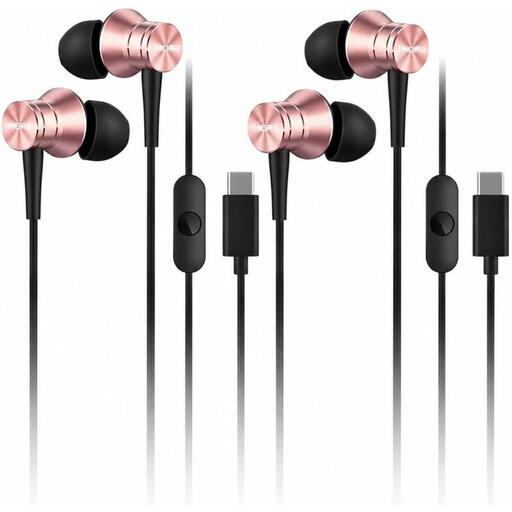
1MORE Piston P10, Type-C, pink
A wired in-ear option if your device has a compatible USB-C audio output.
The title specifies a Type-C connection; the product description lists ear tips, an angled fit and an integrated microphone.
View at Joybuy
 No image available
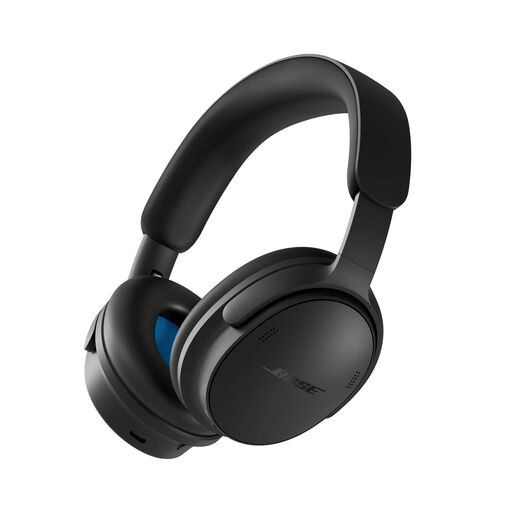
Bose QuietComfort Headphones, 2nd Gen, black
An over-ear option with ANC if you also want to listen using a wired connection and it’s compatible with your device.
The product description lists a closed-back design, ANC and a 3.5 mm audio connection; an audio cable is included for wired listening.
View at Joybuy
 No image available
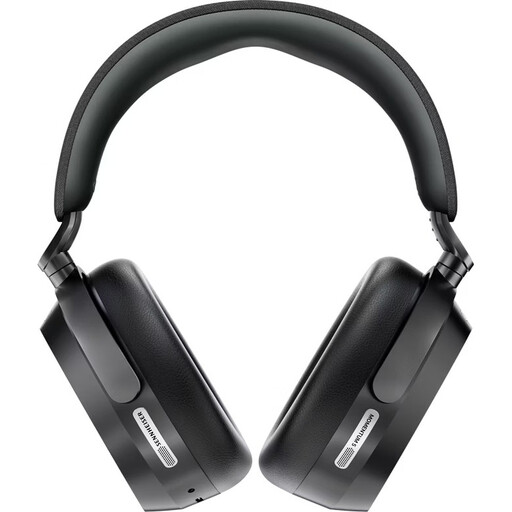
Sennheiser MOMENTUM 5 Wireless Over-Ear, black
A closed-back over-ear option with ANC and a wired listening connection, provided it’s compatible with your setup.
The product title lists Bluetooth 5.4, up to 57 hours of battery life and a replaceable battery. The product description lists 3.5 mm and USB-C audio connections.
View at Joybuy
 No image available
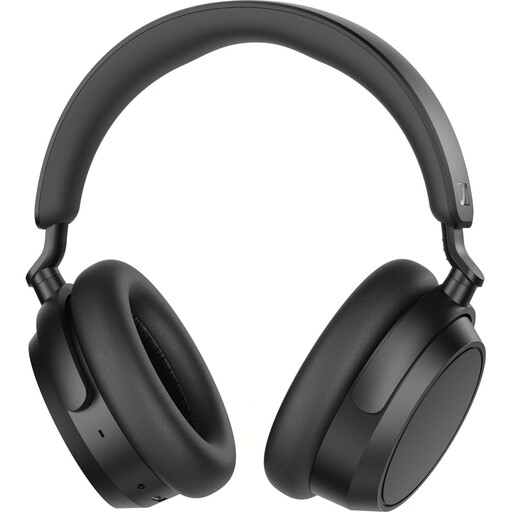
Sennheiser ACCENTUM Plus Wireless Over-Ear, black
An over-ear option with ANC and a detachable cable if you can match the wired connection to your device.
The product title lists Bluetooth 5.2 with aptX; the product description lists a 2.5 mm audio connection and a detachable cable.
View at Joybuy
 No image available
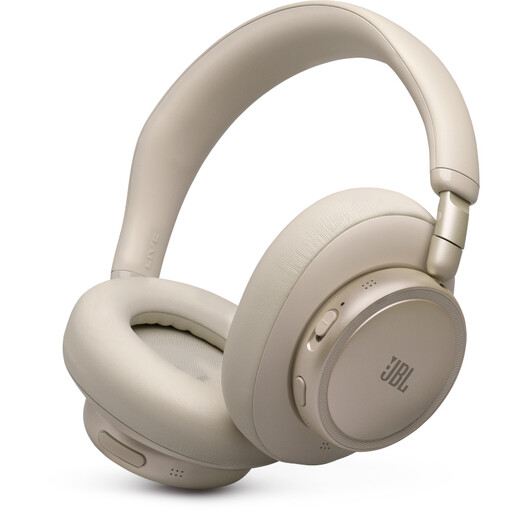
JBL LIVE 780NC, champagne
An over-ear option with adaptive ANC if the supplied cable is compatible with your device’s connections.
The product description lists a USB-C to 3.5 mm audio cable, a foldable design and soft ear cushions.
View at Joybuy
Frequently asked questions
Can I hear my microphone voice with virtually no delay using headphones alone?
No, if you mean the microphone signal: you’ll need a suitable signal path from the microphone to the headphone output. Focusrite describes Direct Monitoring on compatible interfaces as a way to hear the input signal with virtually no latency; check that your specific device has this function.
How can I start practising without listening at an unnecessarily high volume?
Check the fit first and start at a low volume, rather than simply turning it up to drown out household noise. The World Health Organization notes that the volume, duration and frequency of sound exposure all matter for your hearing.
What should I know about wear and tear and buying online?
Check whether replacement ear pads are available for the exact model version, and distinguish your statutory consumer rights against the seller from a voluntary warranty. According to the Verbraucherzentrale, goods ordered online generally come with a 14-day right to cancel from the date of receipt; exceptions and the specific terms of purchase should be checked.
Do headphones mean I can sing loudly at home at any time?
No, they don’t give you general permission to do so: wearing headphones doesn’t automatically change how loud your voice is in the room. According to the Federal Ministry for the Environment, there is no single nationwide rule for noise caused by neighbours’ behaviour; state law, local regulations and house rules may all be relevant.


