If you want to listen back to a recording repeatedly despite household noise, well-fitting, noise-isolating headphones are a sensible starting point. ANC can also help with steady background noise, but it won’t reliably block out voices (Musikhaus Thomann; Sony Deutschland). When recording vocals, a suitable wired signal path with a microphone and monitoring is more important than ANC, as Bluetooth playback can introduce a delay (Apple Support). No headphones can isolate a particular harmony vocal from a finished mix on their own; for that, you’ll need a separate vocal track or a suitable software feature.
Who are the different types of headphones suitable for?
Singers distracted by household noise while practising
If you listen to a passage repeatedly, well-fitting, noise-isolating headphones are the first thing to consider. Whether ANC helps as well depends on whether the distracting noise is steady or variable (Musikhaus Thomann; Sony Deutschland; Shure).
Singers who want to pick out a harmony vocal
Clear playback can help you follow the vocal line. If you need to hear the voice separately, check whether a separate vocal track or a suitable software feature is available; headphones won’t isolate it from the mix themselves (Moises Help Center).
Singers who record themselves
When singing along to a backing track, the key is how the microphone, recording device and headphones are connected. A suitable wired monitoring path can matter more than a wireless connection or ANC (Apple Support; Focusrite Support).
What should you look for when choosing?
First, consider whether you mainly want to listen to a finished recording or hear yourself while singing. For each priority, the main concern influencing the choice is highlighted.
Closed-back wired over-ear headphones
A good choice if: You want to sing along to a backing track, record yourself or limit playback sound picked up by the microphone.
Bear in mind: Isolation depends on the fit; a firm clamping force can become uncomfortable during long practice sessions.
Passively isolating in-ear headphones
A good choice if: You prefer a compact design and the right ear tips fit snugly and comfortably.
Bear in mind: Manufacturers’ noise-attenuation figures don’t guarantee the same level of isolation for your ears.
ANC over-ear headphones
A good choice if: Steady background noise is what bothers you most when listening to a recording repeatedly.
Bear in mind: ANC doesn’t block every type of noise equally well, and it won’t fix delays when monitoring over Bluetooth.
Open-back headphones
A good choice if: You practise in a quiet environment and don’t need greater isolation.
Bear in mind: Outside noise can reach your ears more easily, and playback sound can be heard more easily by others.
| Priority |
What to look for |
Who is this important to? |
| Reduce distracting noise while listening |
Consider closed-back headphones or well-fitting ear tips; if choosing ANC, take the type of distracting noise into account. |
If I want to listen to the backing track repeatedly despite household activity, isolation is my main priority; around 31% of consumers put reducing distracting noise first. |
| Follow the harmony vocal |
Try them with the recording you’ll be using; if needed, look for a separate vocal track or a suitable separation feature. |
If I want to pick out a particular vocal line from the mix, the practice material matters most to me; around 31% of consumers prioritise following the voice they’re looking for. |
| Hear my own voice in time |
Check the microphone, recording device, headphone output and connections together; Direct Monitoring must be supported by the device. |
When recording vocals, I want to hear my voice without a distracting delay; around 19% of consumers put hearing themselves in time first. |
| Practise comfortably at a sensible volume |
Test the fit over a typical practice session; consider suitable replaceable ear pads or ear tips, and keep the volume moderate. |
If I repeat passages for longer periods, I want a comfortable fit and to avoid turning the volume up unnecessarily; around 13% of consumers prioritise wearing and listening comfort. |
| Reduce playback sound escaping |
Consider closed-back or well-fitting noise-isolating headphones, and check the playback volume. |
If other people are in the room or a microphone is recording, I want to limit backing-track sound escaping; around 6% of consumers put this first. |
Common buying mistakes
-
Expecting ANC to make the room silent for everyone
ANC doesn’t work equally well against every type of noise; you may still hear changing sounds such as voices. It also won’t make your singing quieter in the room.
Think separately about which noises bother you while listening and how much quiet the other people in the room need.
-
Buying Bluetooth headphones as your only solution for monitoring yourself
Latency also depends on the recording path, and Bluetooth playback can introduce additional delay (Apple Support).
Before buying, check the microphone, interface, headphone output and monitoring mode as one complete signal path.
If your current equipment doesn’t have a suitable monitoring output, you may need additional compatible recording equipment.
-
Comparing the maximum noise-attenuation figures of different models directly
Shure and Sennheiser give figures of up to 37 and 32 dB respectively for certain models. These manufacturer figures relate to specific models and aren’t measurements made in a direct, personal comparison.
Don’t decide on the higher figure alone; check the fit, comfort and replaceable parts too.
If parts wear out, you may need replacement ear tips or ear pads that fit your headphones.
-
Assuming clear playback automatically separates vocals
Headphones play back the mix as it is; they don’t automatically provide an individual harmony vocal.
First, check whether your practice material includes separate vocal tracks. Assess any software feature you need separately from your headphone purchase.
Separating a vocal track may require a separate software feature, with availability depending on your plan.
Brands to consider
beyerdynamic
The closed-back, wired DT-770-PRO range is worth considering for monitoring. For the 80-ohm version described here, beyerdynamic specifies a 3.5 mm plug with a 6.35 mm adapter.
- According to the manufacturer, the 80-ohm version has replaceable ear pads and a secure fit.
- Check that the connection and output power are suitable for your own device; the clamping force should feel comfortable too. These details don’t automatically apply to other versions.
Audio-Technica
Audio-Technica says the wired ATH-M40x is designed for recording and monitoring.
- The manufacturer describes it as having passive isolation and swivelling ear cups.
- These details don’t prove that the headphones can isolate a particular harmony vocal from a mix.
Shure
The wired SE215 is a compact in-ear option supplied with several different ear tips.
- Shure states that the SE215 reduces ambient noise by up to 37 dB and has a replaceable cable.
- This maximum figure doesn’t guarantee a particular level of isolation for your ears or allow a direct comparison with other designs.
Sennheiser
According to the manufacturer, the closed-back, wired HD 280 PRO is designed for recording and monitoring.
- Sennheiser specifies replaceable ear pads and ambient noise attenuation of up to 32 dB.
- This maximum figure for the specific model doesn’t replace checking the fit and comfort for yourself.
Sony
The WH-1000XM5 combines wireless listening with ANC and a detachable cable connection. Sony lists Bluetooth and passive wired listening among its features.
- ANC may be worth considering when steady background noise bothers you while listening.
- Sony notes that noise cancellation is most effective against steadier, lower-pitched sounds. Bluetooth playback can introduce additional latency when monitoring live (Apple Support).
Headphones at Joybuy
The following Joybuy product options are selected for listening to recordings repeatedly at home. They include wired and wireless headphones, as well as ANC models.
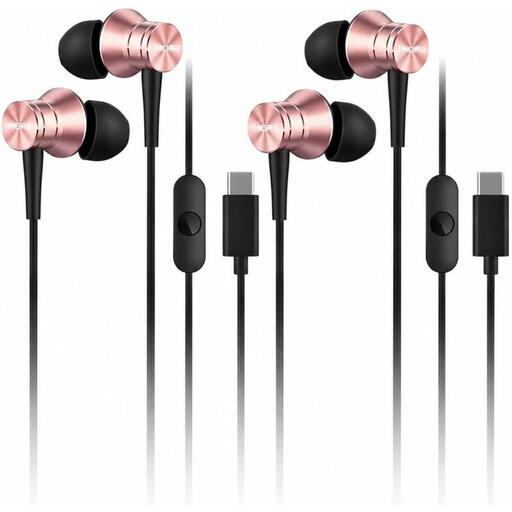 Image unavailable
1MORE Piston P10, wired Type-C in-ear headphones, pink
A wired option for listening to a recording repeatedly. Check that your device supports a compatible Type-C audio connection.
View at Joybuy
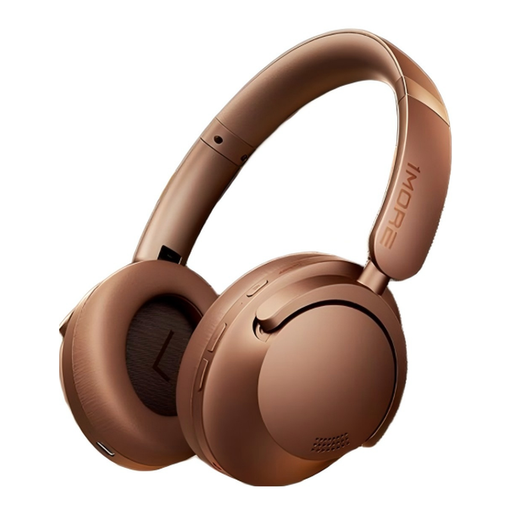 Image unavailable
1MOREHQ51 SonoFlowPro Global, Mocha Brown
This ANC over-ear option is designed for listening repeatedly amid household noise. If you want to hear yourself while singing, check the monitoring signal path separately.
View at Joybuy
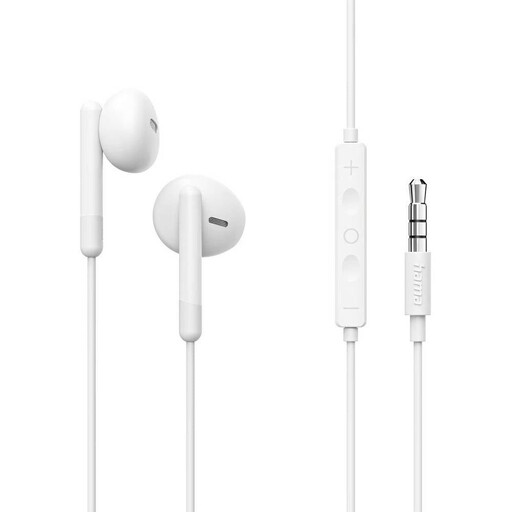 Image unavailable
Noble in-ear headphones with a 3.5 mm connection
A wired in-ear option for playing back practice material. Check that your device has a compatible 3.5 mm headphone output.
View at Joybuy
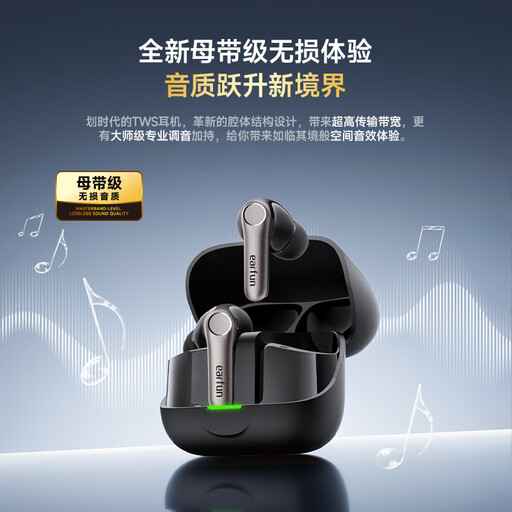 Image unavailable
EarFun Air Pro 4+, ANC in-ear headphones
Described as an in-ear option with adaptive ANC for listening repeatedly amid household noise. If you’re monitoring yourself live, check the signal path separately.
Specified in the product name: Bluetooth 6.0.
View at Joybuy
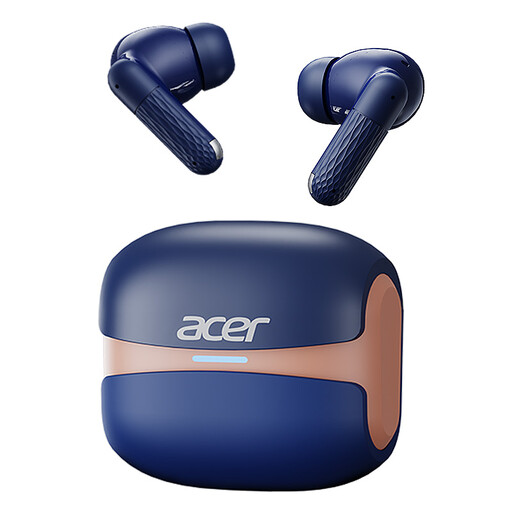 Image unavailable
Acer OHR548, wireless in-ear headphones, Bluetooth 5.4
A wireless in-ear option for listening repeatedly. If you want to hear yourself while recording, bear in mind that Bluetooth playback can introduce additional latency.
Specified in the product name: Type-C charging case.
View at Joybuy
Frequently asked questions
Can headphones pick out my exact harmony vocal from a finished song?
No. Headphone playback alone won’t separate a voice from the mix. Check whether individual vocal tracks are available or whether there’s a separate software feature; for example, Moises lists lead and backing vocals as separable categories on a particular plan, but doesn’t guarantee perfect separation for every song.
How can I hear my own voice while recording with as little delay as possible?
Connect suitable wired headphones to the headphone output in your recording setup, and check whether your interface supports Direct Monitoring and is configured correctly. The Focusrite guide applies to the Scarlett models listed there; you won’t hear software effects in the direct signal. Apple notes that Bluetooth playback adds latency in Logic Pro.
How can I check the fit during longer practice sessions and avoid listening at an unnecessarily high volume?
Make sure the ear pads or ear tips fit comfortably, and replace worn parts with suitable alternatives. The World Health Organization recommends using well-fitting or noise-reducing headphones so you don’t simply turn up the volume in noisy surroundings, as well as taking listening breaks.
What rights apply when buying online from a business seller?
For a standard distance purchase of goods, the European Union generally provides a 14-day right to withdraw, starting from delivery; exceptions and the conditions for return costs should be taken into account. If goods are faulty, you have at least a two-year legal guarantee from the date you receive them, which you can claim from the seller. An additional manufacturer’s guarantee does not replace this.


