For listening to a backing track quietly, consider well-fitting closed-back headphones or snug, isolating in-ear headphones; ANC can also help reduce distracting sounds. Even with ANC, other people in the room will still be able to hear you singing. If you want to hear yourself while recording, check the entire setup, from microphone and interface to headphone output: Focusrite describes direct monitoring on supported interfaces as a way to hear the input signal with virtually no delay.
Which headphones are right for you?
Considerate practisers
You want to listen to a vocal track without playing it through speakers in the bedroom. Bear in mind that headphones can keep playback to yourself, but they won’t make your own voice inaudible. beyerdynamic and Audio-Technica, among others, describe their closed-back models as suitable for monitoring.
Singers recording their voice
You sing along to a backing track and want to hear your voice in time as you record. Check the connection from your microphone and interface through to the headphone output; Focusrite describes direct monitoring as a feature of supported interfaces.
Those distracted by room noise
You listen to a passage repeatedly and want fewer distractions from sounds in the room. Fit and the choice between passive isolation and ANC are key to finding the right option for you. Shure describes the SE215 as a passively isolating in-ear model, while Sony describes the WH-1000XM5 as an ANC model.
What should you look for when buying?
First, decide whether you mainly want to listen to a backing track or monitor your own voice while recording. Then check the fit and connection with the specific playback or recording device you use.
The percentages below relate to the most important concern when practising a harmony part in a shared bedroom.
| Priority |
What to check when buying |
Who will value this most? |
| Being considerate in a shared room |
Closed-back design or snug-fitting ear tips; your own voice will still be audible. |
If someone else is in the room, I want to listen to the backing track through headphones rather than play it through speakers. Around 36% of consumers put being considerate towards others they live with first. |
| Picking out the target vocal |
Test the specific backing track with your playback app; only expect separate vocals if the recording or software offers this feature. |
When listening repeatedly, I want to follow the harmony part in my backing track more easily. For around 29% of consumers, picking out the target vocal is their top priority. |
| Hearing your voice while recording |
Check the microphone, interface and headphone output together; direct monitoring must be supported. |
When recording myself singing, I want to hear my voice in time with the music. Around 21% of consumers prioritise monitoring their voice in time. |
| Comfort during longer practice sessions |
Check the fit for you and whether the ear pads or ear tips can be replaced; don’t automatically turn the volume up to drown out distracting sounds. |
When practising the same section repeatedly, I want a comfortable fit and a suitable listening volume. Around 14% of consumers put comfort during repeated practice first. |
Common misconceptions
-
ANC keeps things quiet for the other person
ANC reduces the sounds you hear. It won’t make your singing inaudible in the bedroom.
If someone needs to sleep or have some peace and quiet, agree on a suitable time to practise or start by listening only.
-
Good headphones solve every monitoring delay
Any delay when monitoring can come from the recording signal path; it isn’t caused solely by how the headphones reproduce sound.
Before buying, check the microphone, interface, headphone output and direct monitoring as a complete setup.
Depending on your recording setup, you may also need a suitable audio interface.
-
“Up to” noise-reduction figures apply to every fit
Sennheiser quotes ambient noise attenuation of up to 32 dB for the HD 280 PRO; Shure quotes up to 37 dB for the SE215. These are manufacturer figures, not guaranteed results for every person.
Check the fit for you and the availability of replacement parts rather than choosing based only on the higher dB figure.
Worn ear tips or pads may need to be replaced.
Relevant brands at a glance
beyerdynamic
According to the manufacturer, the closed-back DT 770 PRO is designed for wired monitoring.
- The manufacturer lists 32, 80 and 250 Ohm versions, and specifies replaceable ear pads and a 3.5 mm plug with a 6.35 mm adapter.
- The versions aren’t interchangeable when it comes to connections. Check which impedance is right for your device.
Audio-Technica
The wired, closed-back ATH-M40x is an option for listening back and recording.
- Audio-Technica describes it as having a foldable design and swivelling earcups.
- The manufacturer’s description doesn’t mean you can automatically pick out a particular harmony part from a recording.
Sennheiser
The manufacturer describes the closed-back HD 280 PRO as suitable for recording and monitoring.
- Sennheiser specifies replaceable ear pads and ambient noise attenuation of up to 32 dB.
- The quoted maximum isn’t a guarantee of how the headphones will fit you or how much noise they’ll actually block.
Shure
The wired SE215 is a compact in-ear option with passive isolation.
- Shure specifies a fit kit with a choice of ear tips and ambient noise reduction of up to 37 dB.
- Noise reduction depends on the fit; if you find in-ear headphones uncomfortable, this model may not be right for you.
Sony
The WH-1000XM5 is a wireless ANC option; the MDR-7506 is a separate wired studio model.
- Sony confirms that the WH-1000XM5 supports Bluetooth and has a detachable audio cable connection.
- ANC affects the sounds you hear. It doesn’t mean your singing will be quiet for others in the room or that microphone monitoring will be delay-free.
Suitable Joybuy products
The Joybuy products below include over-ear and in-ear ANC headphones for listening to a backing track when room noise is distracting. When choosing, check that the design and the features listed in the product name suit your practice setup.
 No image available
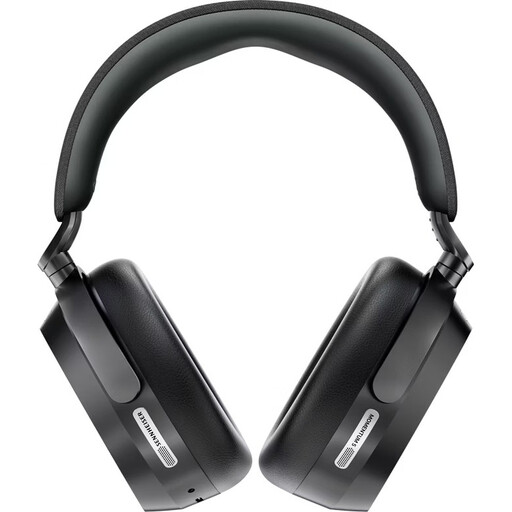
Sennheiser Momentum 5 Wireless over-ear headphones
For listening to a backing track if you’re looking for a closed-back over-ear design with ANC; ANC won’t make your singing inaudible to others you live with.
Closed-back; ANC with 8 microphones; Dolby Atmos; Bluetooth 5.4; up to 57 hours of battery life; replaceable battery; black.
View at Joybuy
 No image available
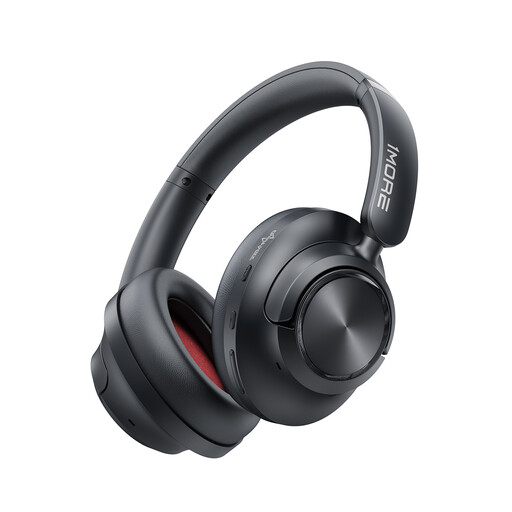
1MORE SonoFlow MAX (Upgraded HQ51) HQ60
An over-ear option for listening when room noise is distracting; ANC won’t change how loud your singing sounds to other people.
THX Spatial Audio; 50 dB ANC; up to 105 hours of battery life.
View at Joybuy
 No image available
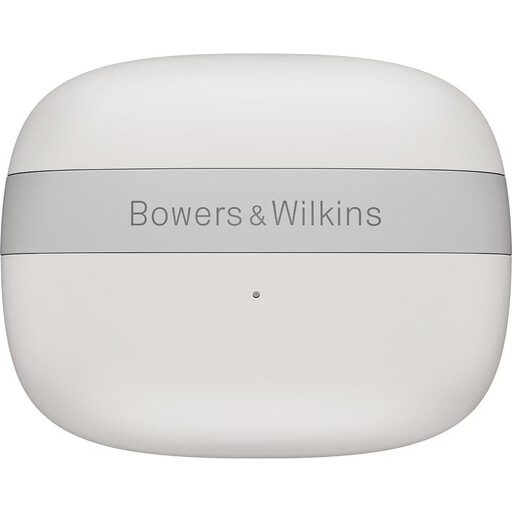
Bowers & Wilkins Pi6
An in-ear alternative if you prefer this design for listening to a backing track; check that the ear tips fit comfortably.
True Wireless; 12 mm bio-cellulose drivers; ANC; Bluetooth 5.4 with Multipoint; up to 8 hours of battery life.
View at Joybuy
 No image available
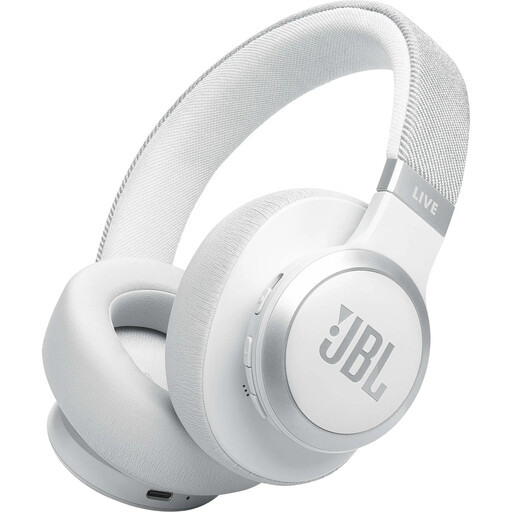
JBL LIVE 770NC
For listening repeatedly in a noisy environment if you’re looking for over-ear headphones with noise cancelling.
Wireless over-ear headphones with microphone; noise cancelling; white.
View at Joybuy
 No image available
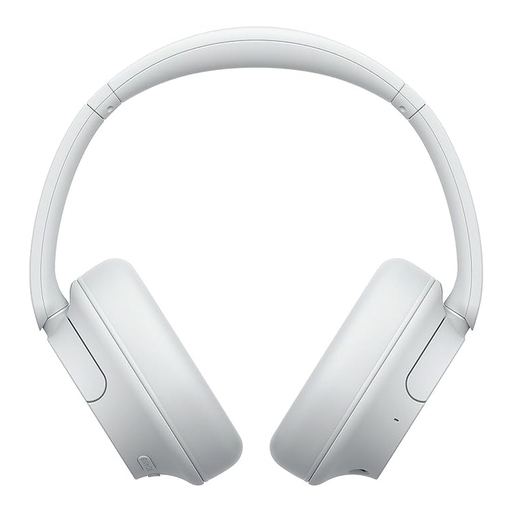
Sony WH-CH720N
An over-ear option for listening when there’s noise in the room; if you want to use a cable, check the connection on your playback device.
Over-ear; 192 g; ANC; 3.5 mm audio connection; up to 35 hours of battery life; Multipoint Bluetooth; white.
View at Joybuy
Frequently asked questions
Can headphones isolate my harmony part from a finished recording?
No. Closed-back design, ANC or a monitoring label won’t automatically isolate a voice from a recording. Check separately whether your backing track contains individual voices or tracks, and whether your playback or practice software offers the relevant features.
How can I hear my own voice while recording without a distracting delay?
Check for direct monitoring on a compatible audio interface and its headphone output. Focusrite describes virtually delay-free monitoring on supported interfaces; if you hear a doubled or delayed signal, you may need to mute software monitoring of the recorded track.
How loud should I listen when practising the same section repeatedly?
The World Health Organization recommends considering volume and listening time together, and taking breaks. It cites 80 dB for up to 40 hours per week as a guide to sound exposure, not as a verified level for a particular pair of headphones connected to your device. Well-fitting or noise-cancelling headphones can help you avoid turning the volume up unnecessarily in a noisy environment.
What rights apply when buying headphones in Germany?
For distance sales from a trader, you generally have a 14-day right to cancel; exceptions and the terms of the specific contract should be taken into account. Your Europe’s information also explains the legal guarantee of at least two years for faulty goods. The right to cancel because you’ve changed your mind is separate from your rights if the goods are faulty.


