For practising with backing tracks, a well-fitting pair of wired headphones is a good choice if you want to hear your voice in sync through a microphone. Closed-back over-ear headphones and snug-fitting in-ears can help contain the playback, although how well they do so also depends on the fit. For direct monitoring, the connected microphone or audio interface needs to provide the right signal path: Focusrite describes this as listening to the input signal rather than hearing it back through recording software. Headphones won’t, however, make your own singing quieter in the room.
Who should consider this headphone question?
Considerate singers practising in a shared room
You want to listen to the backing track through headphones rather than play it through speakers in the room. Thomann explains that closed-back headphones can help limit sound leaking into the microphone during monitoring; other people in the room will still be able to hear you singing.
Singers who want to monitor their voice
You want to hear your microphone feed alongside the backing track. As well as choosing headphones, you’ll need to consider the monitoring signal path. Focusrite describes direct monitoring as listening to the input signal rather than hearing it back through recording software.
Comfort seekers who practise for longer
You practise for extended periods and want to find ear pads or in-ear tips that suit you. The cable, plug and connections on your devices also matter when choosing headphones.
What to look for when buying
When practising a second vocal part in a shared bedroom, it’s worth prioritising how well the headphones contain the backing track, whether you can monitor your voice in sync, comfort and device compatibility.
| What matters |
What to check before buying |
Who it matters most to |
| Keeping the backing track contained |
Look for closed-back ear cups or snug-fitting in-ear tips; if you’re using a microphone, check for sound leaking into it too. |
If I want to keep the backing track from leaking out as much as possible in a shared room, I focus on how well the headphones actually fit. Around 36% of consumers prioritise sound isolation. |
| Hearing your voice in sync |
Check whether the microphone or interface offers direct monitoring and a suitable headphone output. |
If you want to hear your microphone feed alongside the backing track, check the entire signal path. Around 29% of consumers prioritise voice monitoring. |
| Comfort during longer practice sessions |
Check that over-ear headphones don’t press too tightly and leave enough room for your ears; try different tip sizes with in-ears. |
For longer practice sessions, I want a comfortable fit that suits me without pressing too tightly. Around 21% of consumers prioritise comfort. |
| Connections and compatibility |
Check that the headphone output, plug, adaptor and cable length will work with your devices. |
If I want to use my headphones with the devices I already own and replace the cable if needed, the right connection matters. Around 14% of consumers prioritise connection flexibility. |
Common misconceptions
-
Assuming noise cancelling means silence for your flatmates
Headphones can help contain the backing track for the person wearing them, but they won’t make that person’s singing quieter in the room.
Choose headphones to contain the backing track and limit any sound leaking into the microphone. Remember that your singing voice will still be audible in the room.
-
Buying Bluetooth headphones as the only fix for delayed voice monitoring
Bluetooth and playback through recording software can make your voice sound delayed. Direct monitoring also requires a compatible feature on the connected device.
Before buying, check the signal path from the microphone through the monitoring device to the headphones. If you’re using direct monitoring at the same time, you may need to turn off software monitoring.
-
Assuming similarly named DT 770 models are identical
The beyerdynamic DT 770 PRO X differs from the standard DT 770 PRO models in areas including its connection and technical specifications. Information about the PRO X doesn’t automatically apply to the DT 770 PRO.
Before ordering, check the full model name and the exact variant.
Relevant brands and product ranges
AKG
AKG specifically recommends the closed-back K271 MKII for vocals and studio monitoring.
- The manufacturer states that it has low sound leakage, automatically mutes when removed, and features a Mini XLR connection and two supplied cables.
- These manufacturer claims don’t measure how well the headphones fit or isolate sound in your own room.
Shure
The closed-back, over-ear SRH440A and wired in-ear SE215 offer different designs for listening to backing tracks.
- Shure lists a detachable cable and 6.3 mm adaptor for the SRH440A. For the SE215, the manufacturer includes a fit kit and claims up to 37 dB of noise reduction.
- The figure for the SE215 is a manufacturer claim for this model; how well it fits can affect sound isolation.
Audio-Technica
The ATH-M40x and ATH-M50x are wired, closed-back studio headphones.
- Audio-Technica describes the ATH-M40x as a closed-back model for studio use.
- In 2017, Bonedo criticised the ATH-M40x for its comfort. In 2026, HIFI.DE noted bass emphasis, clamping force and ear cups that may be too small for some people on the ATH-M50x. These assessments relate to the respective models.
beyerdynamic
The closed-back DT 770 PRO X is a distinct model variant with a detachable cable.
- beyerdynamic lists a nominal impedance of 48 ohms and a Mini XLR connection for the DT 770 PRO X.
- A 2026 review by Bonedo praises the PRO X for its comfort and detachable cable, but also notes that its sound profile may not suit everyone and that slight creaking can occur when moving your head. These points don’t apply to the standard DT 770 PRO models.
Related products at Joybuy
The Joybuy products below include wired in-ear and over-ear models, as well as headphones with both wireless and wired playback. To monitor your voice in sync, you’ll also need to consider the signal path on the connected device. Focusrite describes direct monitoring as listening to the input signal rather than hearing it back through software.
 No image available
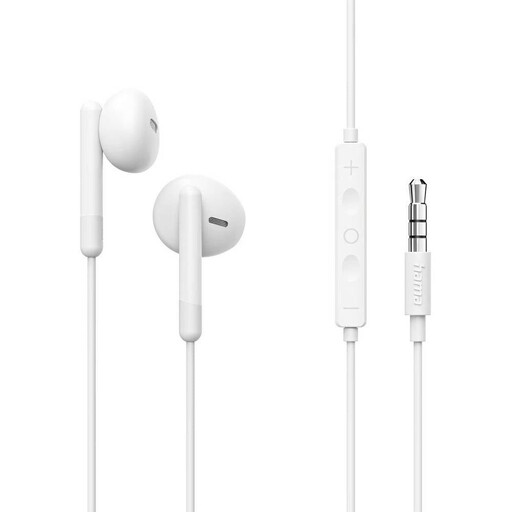
Noble in-ear headphones with microphone and 3.5 mm jack
For wired playback with a device that has a compatible 3.5 mm headphone output.
In-ear design with an integrated microphone and 1.2 m cable; stated weight is 16 g.
An integrated microphone alone doesn’t guarantee direct monitoring of your own voice.
View at Joybuy
 No image available
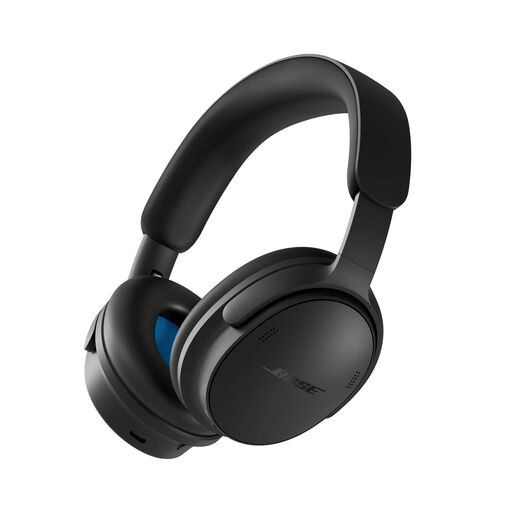
Bose QuietComfort Headphones (2nd Gen), Black
For playback through the over-ear design, with Bluetooth or the stated wired connection.
Features include Bluetooth 5.4, a 3.5 mm audio cable and a USB-C connection; the headband is adjustable.
Whether you can monitor your microphone feed in sync depends on the monitoring signal path of the source device.
View at Joybuy
 No image available
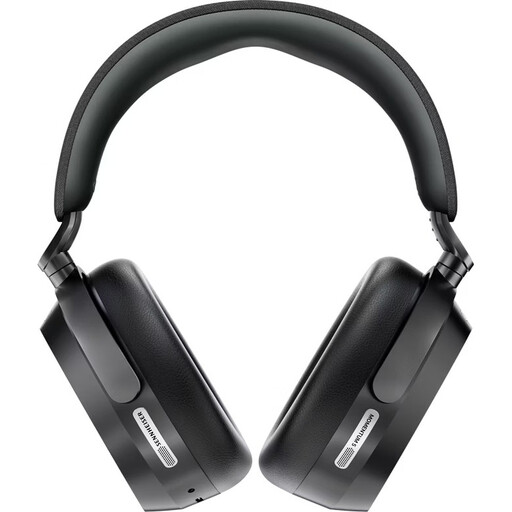
Sennheiser Momentum 5 Wireless Over-Ear Headphones, Black
For playback through closed-back over-ear headphones, with a wired connection also available.
Features include a closed-back design, Bluetooth 5.4 and a 3.5 mm audio cable; battery life is stated as up to 57 hours.
These headphones won’t make your own singing quieter in the room. Monitoring your microphone feed in sync depends on the connected device and signal path.
View at Joybuy
 No image available
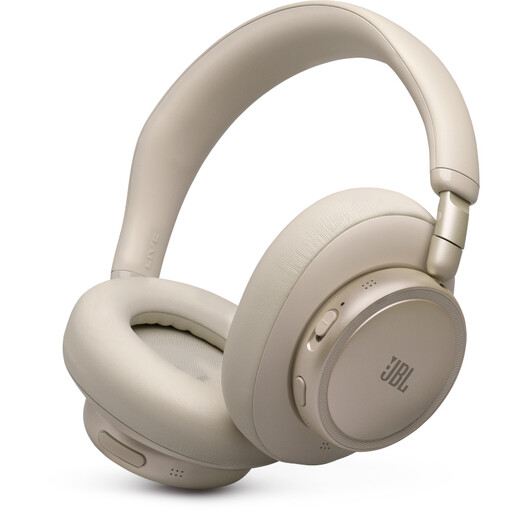
JBL LIVE 780NC, Champagne
For playback through over-ear headphones, if Bluetooth or the stated wired connection is compatible with your device.
Features include Bluetooth 6.0, adaptive noise cancelling and a USB-C to 3.5 mm audio cable.
Headphone isolation won’t make your own singing quieter in the room; monitoring your voice requires a suitable signal path.
View at Joybuy
 No image available
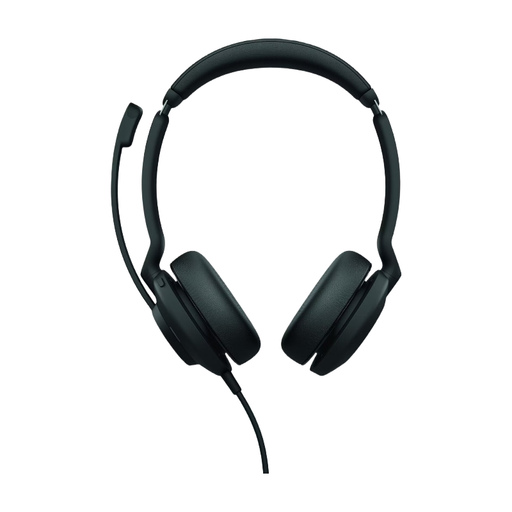
Jabra Evolve2 30 SE (23189-999-779)
For wired use, provided your device supports the stated USB-A connection.
The headset has integrated microphones, memory foam ear cushions and an adjustable headband.
The integrated microphones don’t guarantee that you can monitor your own voice directly and in sync.
View at Joybuy
Frequently asked questions
Are headphones enough to stop my flatmates hearing me sing?
No. Headphones can help contain the backing track, but your singing will still make noise in the room. For noise between neighbours, the German Environment Agency refers to rules set by the federal states and local authorities, as well as possible house rules; these don’t establish a single practice time that applies to every home.
How can I hear my voice through a microphone without distracting delay?
Check whether your microphone or audio interface has a headphone output with direct monitoring and a suitable connection. Focusrite describes direct monitoring as listening to the input signal rather than hearing it back through recording software. If direct monitoring is active at the same time, software monitoring may play your voice a second time; Focusrite recommends switching off this playback on the relevant interfaces.
Which parts should I check are replaceable if I practise regularly?
Check whether the cable, ear pads or in-ear tips are replaceable on the specific model. According to the manufacturer, the AKG K271 MKII has replaceable ear pads and cables; the Shure SE215 has a detachable cable and comes with different fittings.
What costs and rights should I bear in mind after buying?
Replacement ear pads, tips or cables can add to your costs when parts wear out. According to Your Europe, goods bought in the EU are generally covered by a minimum two-year legal guarantee for faulty goods; this is separate from any additional manufacturer’s warranty. For online orders, the consumer advice service Verbraucherzentrale generally gives a 14-day cancellation period from the date you receive your order. Check the specific terms and return options.
How loud should I listen through headphones when practising?
Don’t turn up the volume just because your voice or other sounds in the room are masking the backing track. The World Health Organization gives 80 dB for up to 40 hours per week as an example, and four hours at 90 dB. This is guidance for hearing protection, not a legal limit in Germany or a measurement of your headphone volume.


