Listening to interviews on noisy routes
If you want to follow quietly spoken parts over the sound of the train, look for a good fit and check whether voices remain clear at a moderate volume.


When train noise drowns out quiet parts of an interview, well-fitting, closed-back ANC headphones are a sensible place to start. Whether over-ear or noise-isolating in-ear headphones are right for you depends mainly on fit and comfort. The World Health Organization recommends well-fitting noise-cancelling headphones to reduce the need to turn up the volume in noisy environments. When changing trains, make sure pause or ambient mode is easy to access, but don't assume it will make every announcement clear.
If you want to follow quietly spoken parts over the sound of the train, look for a good fit and check whether voices remain clear at a moderate volume.
Easy-to-access pause controls or ambient mode can help you tune back in to your surroundings. For important announcements, though, you should still pause or take your headphones off.
Check the fit over the length of time you usually listen for, and compare battery life with the settings you actually use.
The design determines how you balance noise isolation, portability and awareness of your surroundings.
A good choice if: you want to listen to longer interviews and find an around-ear fit comfortable.
The trade-off: they take up more space in your luggage, and ANC is no substitute for listening out for announcements.
A good choice if: you travel light and can wear a well-fitting pair of ear tips comfortably for as long as you usually listen.
The trade-off: the fit and seal need to be right; pause your audio or take the earbuds out before important announcements.
A good choice if: you want to stay more aware of your surroundings and can hear voices at a moderate volume on your route.
The trade-off: interview voices may be harder to hear when the train is noisy; turning up the volume isn't a good solution.
| What matters | What to check before buying | Who is this important to? |
|---|---|---|
| Speech clarity | Fit and seal; test ANC with speech-heavy audio at a moderate volume. | If I want to hear quiet passages too, I don't want to compensate for train noise by turning up the volume. That's why around 36% of consumers prioritise speech clarity. |
| Stops and announcements | How easy it is to pause or switch to ambient mode; for important announcements, pause deliberately or take your headphones off. | If I change trains often, I want to be able to pause immediately for stops and announcements, rather than relying on ambient mode alone. Around 29% of consumers place the greatest importance on being aware of stops and announcements. |
| Comfort and battery life | Fit over the length of time you usually listen; consider battery life with ANC and, where applicable, the charging case separately. | On longer journeys, I don't want pressure on my ears or head, and I need to be able to judge battery life based on my settings. That's why around 21% of consumers put comfort and battery life first. |
| Portability | Space needed for the headphones and accessories; for in-ear headphones, also check the fit and ear tips. | If my luggage is limited, I want to keep the space needed for headphones and accessories to a minimum, without overlooking a secure fit with in-ear headphones. That's why around 14% of consumers prioritise a compact design. |
Noise isolation and staying alert to stops are two different things; ambient mode doesn't guarantee that every announcement will be clear.
Try the pause controls before your journey, and pause or take your headphones off for important stops. Deutsche Bahn also says that loud music played through headphones is not permitted in the ICE quiet zone.
Manufacturers' figures can vary depending on whether ANC is on and which other features are in use.
Compare figures for the same mode and exact model. For in-ear headphones, distinguish between the earbuds' battery life and the total figure with the charging case.
With in-ear headphones, the seal affects noise isolation; on longer journeys, comfort also depends on whether the design remains comfortable to wear.
Check the fit and speech clarity over a listening session that matches the length of your usual journey, rather than comparing specifications or test labels alone.
The WH-1000XM6 is a closed-back ANC over-ear headphone designed for longer listening sessions and quick switching to ambient mode.
The second-generation QuietComfort Ultra Headphones are an over-ear option whose ANC and comfort you can assess for yourself.
The Tour ONE M3 is an ANC over-ear headphone. When buying, check whether the version includes the Smart Audio Transmitter.
The Space One Pro is a foldable over-ear headphone for travel, where portability and battery life matter.
MOMENTUM 4 and MOMENTUM 5 Wireless are different generations of ANC over-ear headphones; check the model number when comparing them.
This selection includes ANC in-ear and over-ear headphones for listening to interviews on the train. Compare fit and controls for changing trains; for the specific product listing, also check the labelling and conformity information for the model.
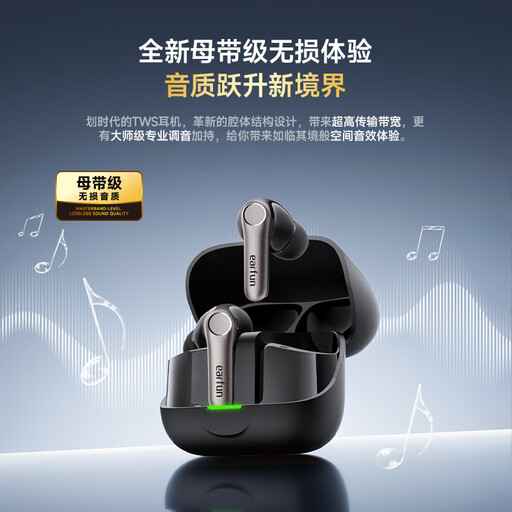 No image available
The compact in-ear design could suit you if you travel light, provided the ear tips fit securely and remain comfortable for as long as you usually listen.
The product name lists IP55 and 54H Playtime; check how the battery-life figure relates to ANC and the charging case.
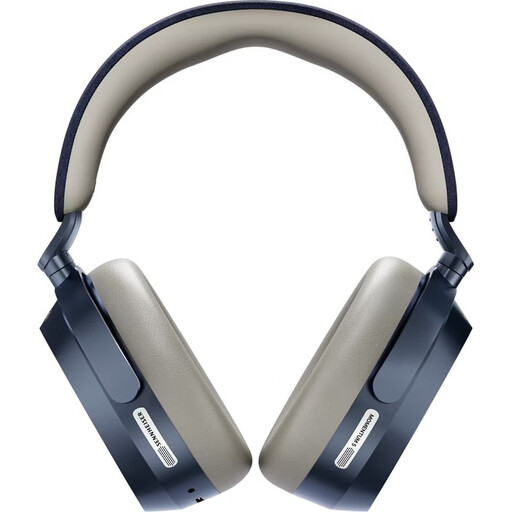 No image available
This ANC over-ear headphone could be a good choice for longer listening sessions if you find the fit comfortable.
Sennheiser quotes up to 57 hours of playback with ANC switched on; the model page also lists a transparency mode.
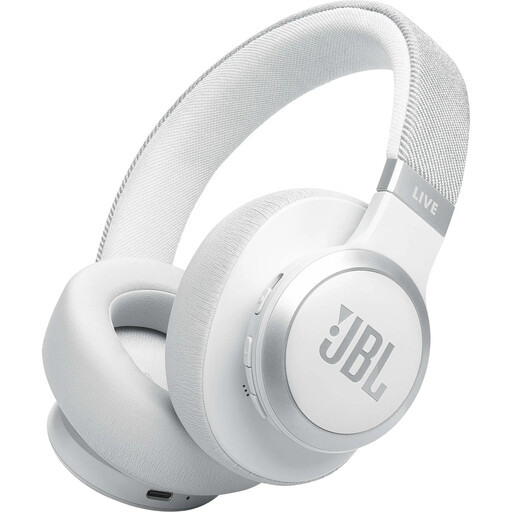 No image available
This wireless over-ear headphone with noise cancelling could suit you if you prefer an around-ear design for listening to interviews.
Check the fit over the length of time you usually listen for, and make sure the controls are easy for you to reach when pausing or changing trains.
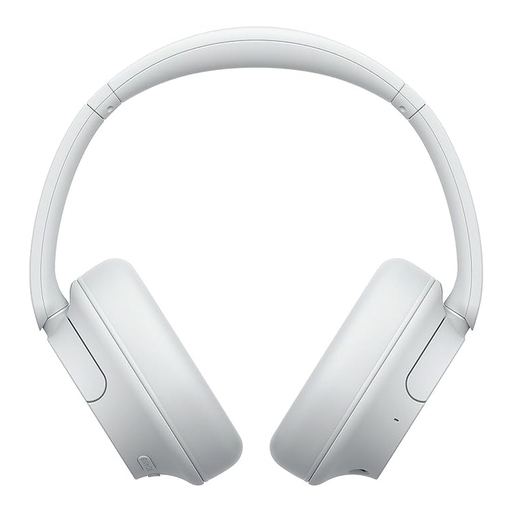 No image available
This wireless over-ear headphone with noise cancelling could suit longer listening sessions if you prefer an around-ear design.
The product name lists 35 hours of battery life; check which operating mode the figure refers to.
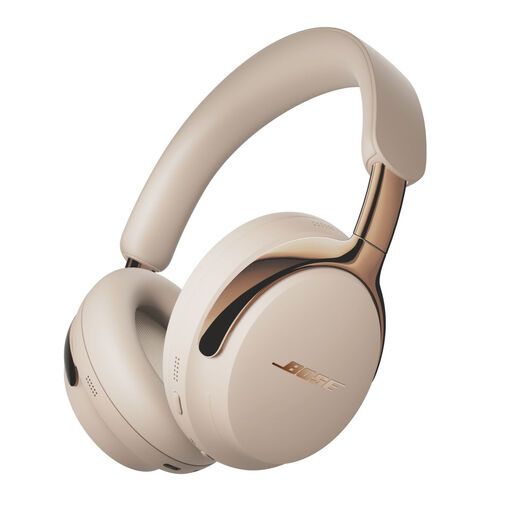 No image available
This closed-back ANC over-ear headphone could suit longer listening sessions if the fit and controls work for you.
Bose quotes up to 30 hours of playback for the second generation, or 23 hours with 360-degree sound. CHIP notes limitations with this model's build quality and ease of use.
It's better not to. The World Health Organization recommends well-fitting noise-cancelling headphones to reduce the need to turn up the volume in noisy environments. Volume and total listening time still matter; a device setting can't necessarily be equated with a specific sound level.
Make sure pause and ambient mode are easy to access before your journey. For an important stop, don't rely on ambient mode alone: pause your audio or take your headphones off.
Check the protection rating for the exact model and keep the connectors dry. soundcore explicitly describes the Space One Pro as not water- or sweat-resistant; this doesn't say anything about other models.
Deutsche Bahn says that listening to loud music, including through headphones, and other noisy activities are not permitted there. Keep the volume low enough not to disturb others; this doesn't mean headphones are generally prohibited by law.
Check the labelling and conformity information for the specific product listing. For radio equipment, the Bundesnetzagentur lists the CE marking, product identification, manufacturer information, instructions in German and a declaration of conformity among the points to check. This doesn't mean that a specific listing has been checked or confirmed as compliant.