Listeners on noisy trains
You want to follow softly spoken passages without turning the volume up to compete with train noise. Fit and noise isolation are the first things to check.


If train noise drowns out softly spoken narration, well-fitting, noise-isolating over-ear headphones or sealing in-ear headphones with ANC may be worth considering. In-ear headphones are a better choice if travelling light is your priority. If you want to hear announcements, look for an easy-to-reach pause control or an ambient sound mode. Open-ear headphones let in outside sounds, but more train noise too. Check the fit and how clearly you can hear speech at a low volume rather than turning up the playback to overcome distracting noise.
You want to follow softly spoken passages without turning the volume up to compete with train noise. Fit and noise isolation are the first things to check.
You want to listen to stories but still catch information about stops and connections. A pause control, transparency mode or open-ear design is important to you.
You prefer small earbuds to a headband. Try different-sized ear tips and check the earbuds’ own battery life.
A good choice if: Persistent train noise makes it difficult to follow the narration and you’re happy to wear over-ear headphones.
Keep in mind: They take up more room in your luggage, and information about the ear cushions alone won’t tell you whether the headphones will feel comfortable.
A good choice if: You’re travelling light and can find ear tips that fit comfortably and securely.
Keep in mind: Noise isolation and comfort depend on how well they fit your ears. To hear announcements, pause playback or use transparency mode.
A good choice if: You want to hear your surroundings as naturally as possible and would rather not seal off your ear canal.
Keep in mind: Their open design lets in train noise too. Check whether you can still follow the story at a low volume.
| What matters | What to check when buying | Who it matters most to |
|---|---|---|
| Speech clarity | Try the fit and passive noise isolation. If the headphones have ANC, check how clearly you can hear speech with noise cancellation switched on. | If I want to follow narration despite train noise, I’ll check the fit and noise isolation first. Around 33% of consumers say speech clarity is their top priority. |
| Hearing announcements | Check how easy it is to pause playback and whether there’s a transparency mode. | If I want to hear announcements about stops and connections, an easy-to-reach pause control or ambient sound feature matters. Around 25% of consumers say hearing announcements is their top priority. |
| Compact size | Check the design and try different-sized ear tips. For wireless in-ear headphones, check the battery life per charge. | If I want to travel light, I’ll choose compact earbuds over over-ear headphones and make sure they fit well. Around 25% of consumers say compact size is their top priority. |
| Comfort and battery life | Try them on for a realistic listening session, if possible. Check whether battery life refers to a single charge or includes the charging case. | If I want to listen in comfort on longer journeys, I’ll check for pressure points and compare battery life with the length of my journey. Around 17% of consumers say comfort on longer journeys is their top priority. |
Open-ear headphones let in outside sounds. If you regularly turn up the volume as a result, that’s not a good way to make up for a lack of noise isolation.
At a low volume, check whether you can understand a spoken recording in similar surroundings. If noise isolation matters more, try well-fitting, sealing in-ear headphones or closed-back over-ear headphones.
Apple quotes up to 8 hours of playback with ANC per charge for AirPods Pro 3, and up to 24 hours including the charging case. For a non-stop journey, the per-charge figure is the one that matters.
Compare battery life using the same operating mode and the same basis.
With in-ear headphones, the right ear tips affect both fit and passive noise isolation. Over-ear headphones can also feel uncomfortable for some people.
If possible, try them with a spoken recording and read the returns and warranty terms for the specific offer.
Sony offers both closed-back ANC over-ear headphones and open-ear headphones, catering to different priorities around noise isolation and awareness of your surroundings.
AirPods Pro 3 are sealing true wireless in-ear headphones with ANC, designed for travellers who prefer a compact option.
According to JBL, the Tune 780NC and Tune 680NC offer over-ear and on-ear designs respectively, with ANC and Smart Ambient.
The MOMENTUM 4 Wireless are ANC over-ear headphones with a transparency mode.
The 2nd Generation QuietComfort Ultra Headphones are ANC over-ear headphones with settings available through the app.
This selection includes ANC over-ear and in-ear headphones for noise isolation, as well as open-ear headphones if you want to stay more aware of your surroundings.
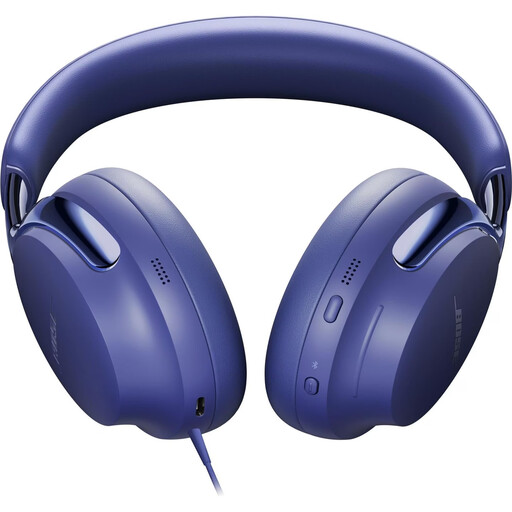 No image available
Closed-back over-ear headphones with ANC for train journeys when you want to reduce background noise.
Up to 30 hours of quoted battery life; foldable; audio connections via USB-C and 3.5 mm jack.
Quoted weight: 250 g.
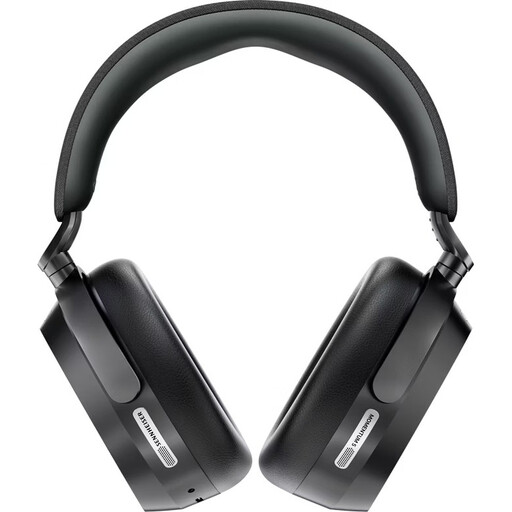 No image available
Closed-back over-ear headphones with ANC. A transparency mode and pause control are listed for when you need to hear announcements.
Up to 57 hours of playback with ANC according to the product description; replaceable battery.
Swivelling ear cups, a carry case and an audio cable are listed.
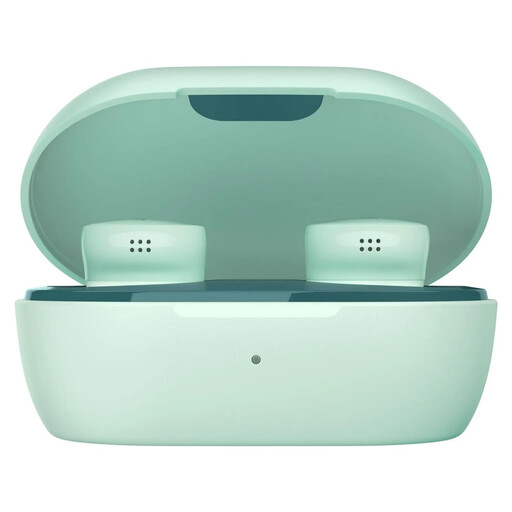 No image available
Compact true wireless in-ear headphones with ANC if you want to travel light on train journeys.
Up to 8.5 hours of battery life per charge; adjustable ear tips and stability bands in S, M and L.
Bluetooth 5.3 and IPX4 protection are listed in the product name.
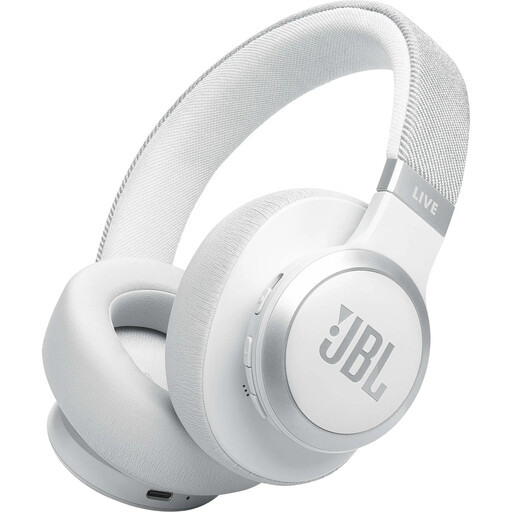 No image available
Over-ear headphones with adaptive ANC and Smart Ambient for journeys when you want to balance noise cancelling with awareness of your surroundings.
Up to 50 hours of playback with ANC switched on according to the product description; detachable audio cable.
Soft ear cushions and a weight of 256 g are listed.
 No image available
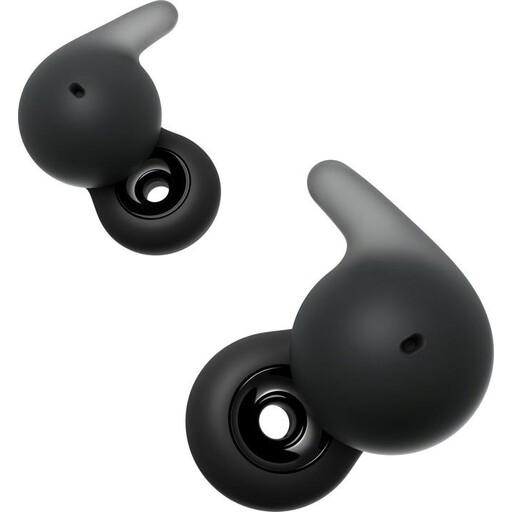
Open-ear headphones for journeys when you want to stay aware of your surroundings. Their open design offers less isolation from train noise.
Up to 8 hours per charge and up to 22 hours including the charging case according to the product description.
Wide-area tap control and multipoint are listed.
No, ANC isn’t essential. First, check whether the fit and passive noise isolation make speech clear at a comfortable volume. ANC can be another option if background noise is distracting. Open-ear headphones are a better fit if awareness of your surroundings matters more to you than noise isolation.
Pause your story and listen out for announcements. Some models also have an ambient sound mode. Don’t assume you’ll automatically hear every announcement while playback is running.
The World Health Organization recommends considering volume and listening time together, and using well-fitting, noise-reducing headphones so that background noise doesn’t tempt you to turn the volume up. Its example of 80 dB for up to 40 hours a week is an illustration of exposure, not a universally safe setting for every device.
Deutsche Bahn explicitly says that listening loudly, including through headphones, is not welcome in the ICE quiet zone. This is the operator’s code of conduct, not a general legal ban on using headphones.
For a non-stop journey, check the earbuds’ battery life per charge. A separate figure that includes the charging case is measured differently and can’t be compared directly with battery life per charge.