Film score fans on noisy journeys
If quiet orchestral passages get lost on the train, consider fit and ANC together. The WHO recommends well-fitting noise-cancelling headphones to reduce the temptation to turn up the volume in noisy surroundings.


If the sound of the train drowns out quiet film scores, a well-fitting pair of headphones with ANC (active noise cancellation) is a sensible place to start. The WHO recommends well-fitting noise-cancelling headphones to reduce the temptation to turn up the volume in noisy surroundings. For longer journeys, you should also consider how comfortable they feel over time and how long the battery lasts with ANC switched on. If you have to change trains, a quick pause or ambient mode can be useful. ANC won’t make every sound inaudible, and it’s no substitute for listening at a moderate volume or staying alert to announcements.
If quiet orchestral passages get lost on the train, consider fit and ANC together. The WHO recommends well-fitting noise-cancelling headphones to reduce the temptation to turn up the volume in noisy surroundings.
If you wear headphones for long periods, test how comfortable they feel over a meaningful length of time, and check the stated battery life for the ANC mode you’ll actually use.
If you want to hear announcements or speak briefly while travelling, try the pause and ambient mode with your own playback device before setting off. Deutsche Bahn says loud music, including through headphones, is not welcome in ICE quiet zones.
A good fit if: you have room in your luggage on longer journeys and want to assess comfort, noise isolation and the sound of your film scores together.
The trade-off: This design takes up more room in your bag, and ANC won’t remove all background noise.
A good fit if: saving space in your luggage matters and the ear tips feel comfortable and stay securely in place.
The trade-off: Fit and seal vary from person to person. The earbuds’ battery life between charges is not the same as the total battery life including the charging case.
A good fit if: you don’t need ANC and passive noise isolation is enough at your usual, moderate listening volume.
The trade-off: Test the noise isolation with a familiar, quiet passage rather than judging it by the design alone.
The WHO recommends well-fitting noise-cancelling headphones to reduce the temptation to turn up the volume in noisy surroundings. The points below can help you work out what matters most to you.
| Buying consideration | What to look for | Who will find this especially important |
|---|---|---|
| Train noise | Test ANC and fit with a recording of your own; don’t assume marketing claims mean complete silence. | If you want to listen to quiet film scores at a moderate volume, noise isolation is your main consideration. Around 31 % of consumers put reducing travel noise first. |
| Fit and battery life | Test comfort over a meaningful length of time; compare battery life only for the ANC mode you plan to use. | If you want to avoid pressure points on long stretches and don’t want to charge before the journey ends, fit and suitable battery life matter most. Around 25 % of consumers prioritise comfort and battery life. |
| Announcements | Try the pause button and ambient mode with your own playback device before travelling. | If you change trains frequently or need to have a quick conversation, you’ll want to stop the music quickly and hear what’s going on around you. Around 19 % of consumers put announcements first. |
| Pack size | Assess the design and space needed separately from the fit of in-ear headphones. | If space in your luggage is limited, a compact design may matter more than larger ear cups. Around 13 % of consumers prioritise pack size. |
| Features and costs | Check the specific version and what’s included, particularly if you need an additional transmitter. | If you want to keep costs down and only pay for the features you need, compare the specifications and version. Around 12 % of consumers put cost and suitable features first. |
ANC doesn’t reduce every sound. Sony notes that noise cancellation is particularly effective against low-frequency sounds; fit and your surroundings also affect what you can still hear.
Start with a good fit and a moderate volume. Stay alert to important announcements.
Manufacturers’ figures can vary depending on whether ANC is switched on or off. A figure without the relevant mode tells you little about how long the headphones will last on your journey.
Compare battery life for the setting you actually plan to use.
JBL notes that some versions are sold without SMART Tx.
Before buying, check the exact version and what’s included, and make sure it’s compatible with your audio source.
If a product is faulty, your statutory rights are against the seller; a voluntary manufacturer’s guarantee is separate.
Keep a record of the seller and your purchase documents. Don’t treat an additional guarantee offer as a replacement for your statutory rights.
These brands and model ranges offer a guide to different designs and features; their specifications won’t necessarily apply to every version or suit every listener.
The WH-1000XM6 is a closed-back ANC over-ear option for longer journeys; the WF-1000XM5 is a compact ANC in-ear model.
The QuietComfort Ultra Headphones (2nd Gen.) are for those interested in over-ear ANC and spatial sound.
The MOMENTUM 4 Wireless is an ANC over-ear option for travellers who want to use a transparency mode.
The Tour ONE M3 is an ANC over-ear model; the SMART Tx version offers additional connection options.
The Space One Pro is a foldable ANC over-ear option for travellers comparing design and pack size.
The product options below include closed-back ANC over-ear and ANC in-ear headphones for train journeys. For each version, check the fit, the features you want and the details given in the specific product name.
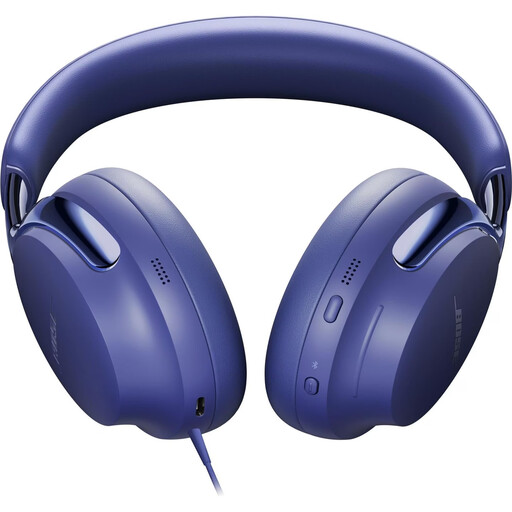 No image available
An option for longer journeys if you’re considering closed-back ANC over-ear headphones with spatial sound.
Check the battery life stated for the specific version before buying.
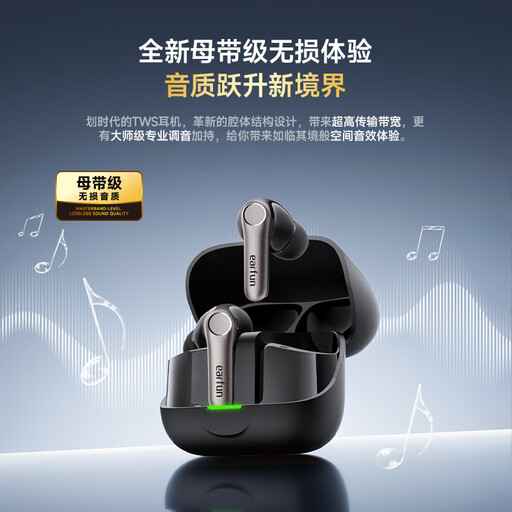 No image available
A compact ANC in-ear option if luggage space is limited and the ear tips fit comfortably.
The product name lists Bluetooth 6.0, aptX Lossless and LDAC. Check the fit and the earbuds’ battery life separately from that of the charging case.
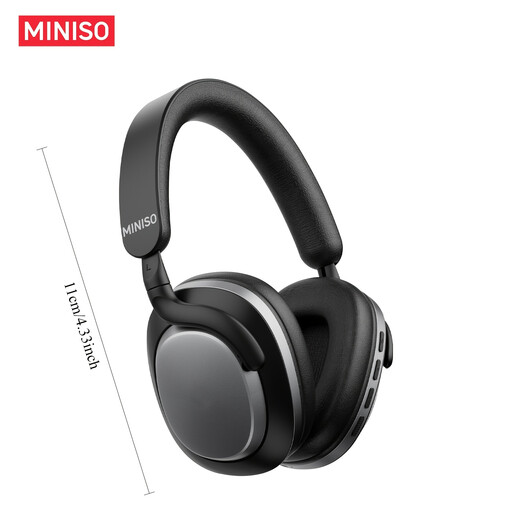 No image available
A wireless over-ear option for anyone who prefers this design for train journeys.
The product name lists 24 hours of battery life. Check the fit and whether the passive isolation and noise cancellation suit your usual listening volume.
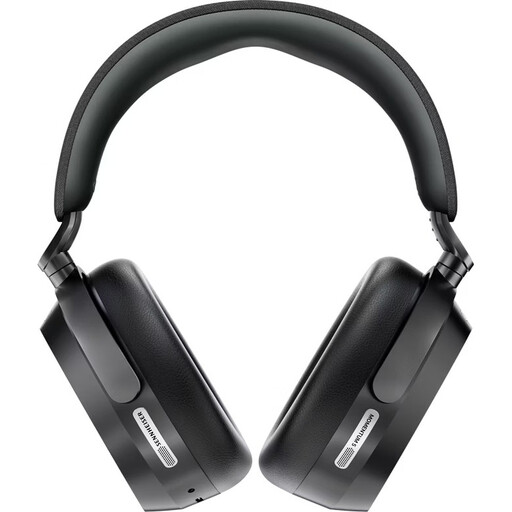 No image available
A closed-back ANC over-ear option if you want to hear your surroundings again through a transparency mode when changing trains.
The product name lists Dolby Atmos, Bluetooth 5.4 and up to 57 hours of battery life with ANC switched on. This is a maximum figure.
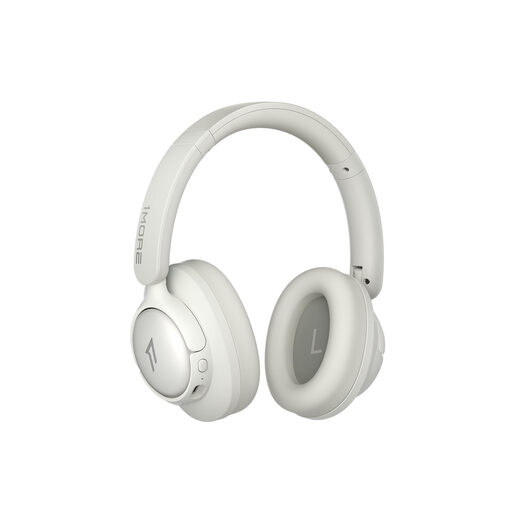 No image available
A wireless ANC over-ear option for travellers who want to use a transparency mode when needed.
The product name lists LDAC, 90 hours of playback and app-based EQ presets. Check whether the app is compatible with your playback device.
No. ANC doesn’t reduce every sound; according to Sony, it works particularly well against low-frequency sounds. Check the fit and stay alert to important announcements.
Pair them with your playback device and try ANC, pause, ambient mode and a moderate volume with a familiar recording. The WHO recommends well-fitting noise-cancelling headphones to reduce the temptation to turn up the volume in noisy surroundings.
Deutsche Bahn says loud music, including through headphones, is not welcome in ICE quiet zones. This information from the train operator applies to quiet zones and does not establish a general legal rule on headphones for all trains.
For eligible distance purchases, the EU portal explains that you generally have a 14-day right to withdraw from the contract from the date of delivery; exceptions and return costs may apply. If goods are faulty, you have a statutory right to a remedy from the seller for at least two years from receipt. This is separate from a voluntary manufacturer’s guarantee.
For products with Bluetooth, the Federal Network Agency lists CE marking among the criteria to check. Refer to the information for the specific product, and don’t treat a claim in a listing as proof of any additional testing.