Commuters on noisy train routes
If train noise is drowning out your review, a good fit and effective noise isolation are important things to look for. Try listening to a familiar recording at a moderate volume.


If train noise is drowning out quieter passages, a well-fitting, closed-back pair of headphones is a good place to start, along with comparing models with ANC (active noise cancellation). Don’t simply turn the volume up. Choose over-ear or in-ear headphones based on fit and how much space they take up, then check how easily you can pause playback and switch to ambient mode to hear announcements. The WHO recommends well-fitting noise-cancelling headphones to help you resist the temptation to turn up the volume in noisy surroundings.
If train noise is drowning out your review, a good fit and effective noise isolation are important things to look for. Try listening to a familiar recording at a moderate volume.
If you listen to several episodes or longer discussions in one sitting, weigh up comfort and battery life alongside the features you actually use.
If you want to stay aware of your surroundings when the train stops, check how easy it is to pause playback and switch on ambient mode, if available.
A good fit if: train noise bothers you and you find the ear cushions comfortable to wear for extended periods.
Consider: They take up more room in your luggage, and the fit needs to suit you.
A good fit if: compact size matters and the ear tips fit securely and comfortably.
Consider: Check the fit and playback time per charge; this is not the same as battery life including the charging case.
A good fit if: your journeys are usually quiet, or you want to see whether the fit and speech clarity are good enough at a moderate volume.
Consider: If noise isolation isn’t sufficient, you may be tempted to turn up the volume.
| Priority | What to look for | Who is this especially important to? |
|---|---|---|
| Speech clarity | Check the design and fit; compare ANC if train noise is distracting. | When train noise drowns out quiet words, I want to understand a familiar review clearly at a moderate volume. Around 28% of consumers prioritise speech clarity. |
| Comfort | Try over-ear headphones for a typical listening session; for in-ear models, check the sizes of ear tips available. | On longer journeys, I want to avoid pressure from the headband or ear tips. Around 22% of consumers on longer journeys prioritise comfort. |
| Announcements and surroundings | Try pausing playback and switching to ambient mode on the specific model. | At stops, I want to pause playback quickly and stay aware of my surroundings. Around 17% of consumers prioritise hearing announcements. |
| Cost and extras | First check the fit, speech clarity and level of noise isolation you need; then consider any extra features. | If I only listen occasionally, I want to know whether a simpler model will do before paying for extras. Around 22% of consumers are price-conscious. |
| Battery life and size | Compare battery life with ANC in the same setting, and for in-ear headphones distinguish playback time per charge from total battery life with the case. | For longer journeys, I want to weigh up battery life against the space available in my luggage. Around 11% of consumers prioritise battery life or compact size. |
The WHO points out that hearing is affected by both sound intensity and listening duration.
Check the fit and noise isolation first, keep the volume moderate and take breaks.
Manufacturers’ maximum figures can vary depending on whether noise cancelling is switched on or off. For in-ear headphones, playback time per charge is also different from battery life including the charging case.
Only compare figures for the same operating conditions and measurement basis.
JBL lists the version that includes a Smart-Tx transmitter separately.
Check the full model name and what’s included in the box before choosing a version.
The WH-1000XM6 over-ear headphones and WF-1000XM6 in-ear headphones offer two designs to suit different preferences for fit and portability.
The MOMENTUM 4 Wireless is an over-ear model where battery life and transparency mode may be useful factors to consider.
The Tour One M3 is an over-ear model with ANC; the Smart-Tx version is a separate variant.
The second-generation QuietComfort Ultra Headphones and second-generation QuietComfort Ultra Earbuds come in over-ear and in-ear designs.
The Joybuy products below include over-ear and in-ear headphones with ANC for listening to book reviews on the go.
 No image available
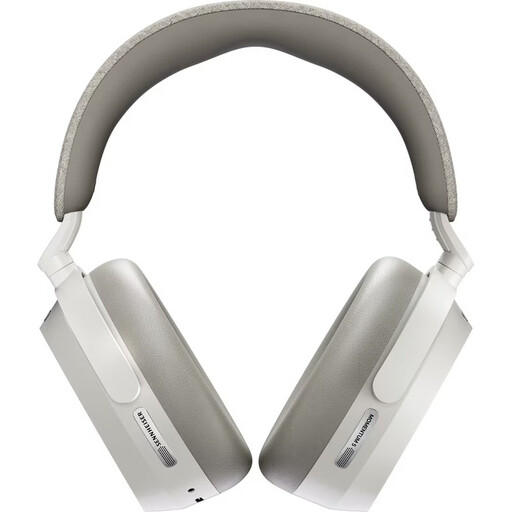
These closed-back over-ear headphones with ANC may suit you if you want to reduce train noise and hear your surroundings when needed; fit is personal.
Listed in the product name: Bluetooth 5.4, Dolby Atmos, up to 57 hours of battery life and a replaceable battery.
 No image available
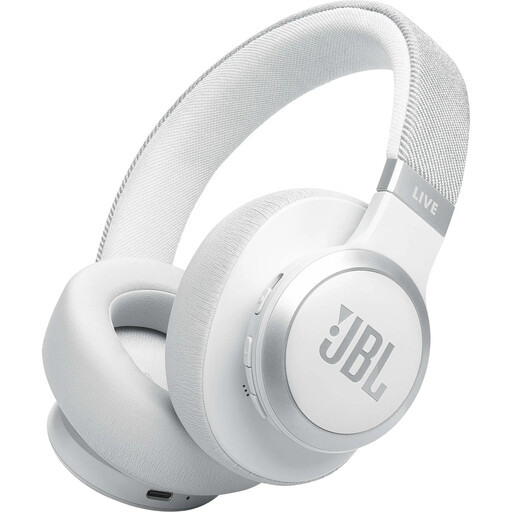
These wireless over-ear headphones with ANC may be worth considering for train journeys; check whether the fit and ambient controls work for you.
Listed in the product name: over-ear design and microphone.
 No image available
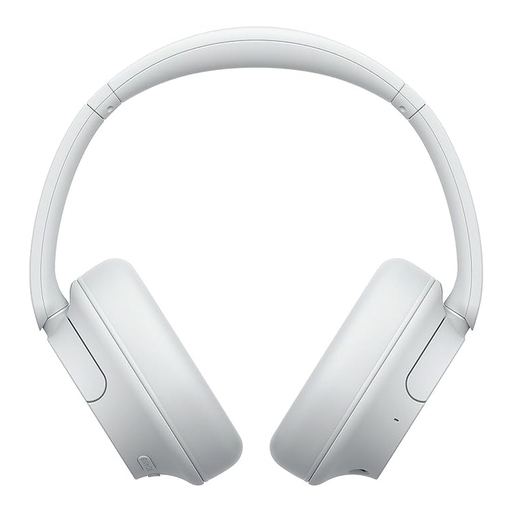
These over-ear headphones with ANC are an option if you want to use ambient mode when the train stops; try the controls on the specific model.
Listed in the product name: 192 g and 35 hours of battery life.
 No image available
The in-ear design is compact for travel, provided the ear tips fit comfortably; try switching to ambient mode.
Listed in the product name: true wireless and active noise cancelling.
 No image available
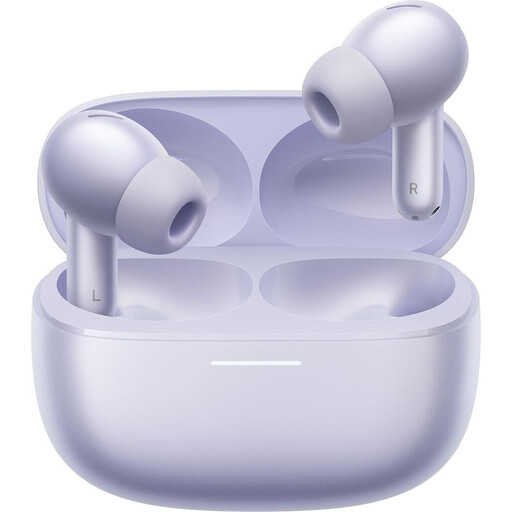
These compact in-ear headphones with ANC may be a good choice for travelling; check that the ear tips fit and that the transparency modes are easy to use.
Listed in the product name: Bluetooth 5.3, 20 ANC levels and three transparency modes.
Pair your headphones before setting off, check the fit and volume with a familiar recording, and practise pausing playback quickly. If your model has ambient mode, try the controls; you can pause playback completely to hear important announcements.
The WHO recommends keeping the volume low, taking listening breaks and using well-fitting headphones with noise cancellation in noisy surroundings. You can’t reliably work out a decibel level directly from the volume control setting.
Deutsche Bahn says that playing music loudly, even through headphones, and other noisy activities are not permitted there. Keep the volume low enough not to disturb others; this refers to the published rules for Deutsche Bahn’s quiet carriage, not a general legal volume limit.
Only compare manufacturers’ figures when ANC is in the same setting, and check whether an in-ear figure refers to playback per charge or includes the charging case as well. Battery life for over-ear headphones therefore isn’t directly comparable with the total battery life of in-ear headphones.