For listeners who love the details
If you want to hear wind, water or birdsong over the sound of the train at a moderate volume, pay particular attention to the fit, noise isolation and sound profile.


For listening to quiet nature recordings on the train, consider well-fitting, closed-back over-ear headphones or noise-isolating in-ear headphones with ANC. The WHO recommends well-fitting headphones and noise cancellation so you don’t have to turn the volume up unnecessarily in noisy surroundings. Over-ears take up more room in your luggage, while in-ears need to fit your ears properly. If you don’t want to miss important announcements, pause playback or deliberately switch to ambient mode.
If you want to hear wind, water or birdsong over the sound of the train at a moderate volume, pay particular attention to the fit, noise isolation and sound profile.
If you want to pause your recording easily while travelling or occasionally hear what’s going on around you, check how quickly you can pause playback and switch to ambient mode. This mode is no substitute for listening carefully.
If luggage space is limited, compare in-ear and over-ear headphones by how much room they take up. With in-ears, a well-fitting ear tip is essential.
A good choice if: You want to reduce train noise on longer journeys and listen to quieter parts of a recording at a moderate volume.
Things to consider: They take up more room in your luggage. ANC and ear cushions are no substitute for a suitable volume level or paying attention to announcements.
A good choice if: You’re travelling light and can find ear tips that fit you well.
Things to consider: Fit and noise isolation depend on your ear shape and the ear tips. The total battery life with the charging case is not the same as the earbuds’ battery life on a single charge.
A good choice if: You generally want to hear your surroundings and are happy to travel in a quieter carriage or hear the train.
Things to consider: When listening to quiet nature recordings in a noisy carriage, less isolation offers less protection from distracting train noise. So don’t turn the volume up simply to drown out the train.
| What matters to you | What to look for | Who is it important to? |
|---|---|---|
| Reducing train noise | Check the fit and seal on your ears, ANC and how easy it is to switch to ambient mode. | If I don’t want to compensate for train noise by turning up the volume, I pay particular attention to fit and noise reduction. Around 29% of consumers put reducing train noise first. |
| Quiet details in recordings | Listen to your recording at a moderate volume and check whether the EQ is easy to adjust. | If I care about quiet passages and subtle variations in sound, I want to judge the sound profile for myself rather than relying solely on descriptions. Around 23% of consumers prioritise detail in recordings. |
| Announcements and your surroundings | Check whether pause and ambient or transparency mode are easy to access; listen out for important announcements. | If I want to pause easily and hear what’s going on around me while travelling, simple controls are essential. Around 18% of consumers prioritise being able to hear announcements. Deutsche Bahn says loud music, even through headphones, is not welcome in the quiet zone on ICE trains. |
| Fit and size when packed | Check the fit over the length of time you plan to wear them. For in-ears, consider the ear tips; for over-ears, check the cushions and case. | If I want to listen comfortably for longer and travel with less luggage, I compare fit and packed size together. Around 18% of consumers prioritise wearing comfort and compact travel. |
| Model variant and accessories | Check the exact version and whether it includes the ear tips, case or transmitter you need. | If I only want to take the equipment I actually need, I compare the specific variants and what comes in the box. Around 12% of consumers prioritise having the right equipment and avoiding potential extra costs. |
In a noisy environment, you may keep turning the recording up. A good fit and ANC can reduce the need to do this.
First check the fit and noise reduction, listen at a moderate volume and take breaks.
On a longer train journey, what matters is how long the earbuds last between charges. The battery life quoted with the case describes a different kind of use.
Compare battery life on a single charge with the length of your journey, and check the figure for the case separately.
JBL notes that some versions are sold without SMART Tx. You may need a different variant if you want to use the transmitter.
Check what comes with the exact version, not just the model name.
If you need the transmitter, make sure it’s included with the version you choose.
The WH-1000XM6 is a closed-back over-ear option for journeys where you want ANC and a switchable ambient mode.
The MOMENTUM 4 Wireless is an over-ear model with EQ, ANC and transparency mode; the MOMENTUM True Wireless 4 is a more compact in-ear alternative.
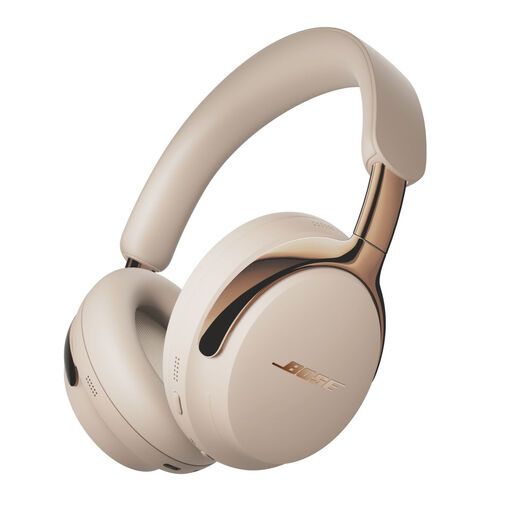
The QuietComfort Ultra Headphones (2nd Gen.) are an over-ear ANC option with an adjustable sound profile.
The Tour ONE M3 is an over-ear model with ANC. When choosing, check whether the version includes SMART Tx.
Space A40 is a compact in-ear ANC option for travellers who want to keep luggage to a minimum.
This selection features closed-back over-ear headphones with ANC for train journeys where you want to reduce train noise and listen to recordings.
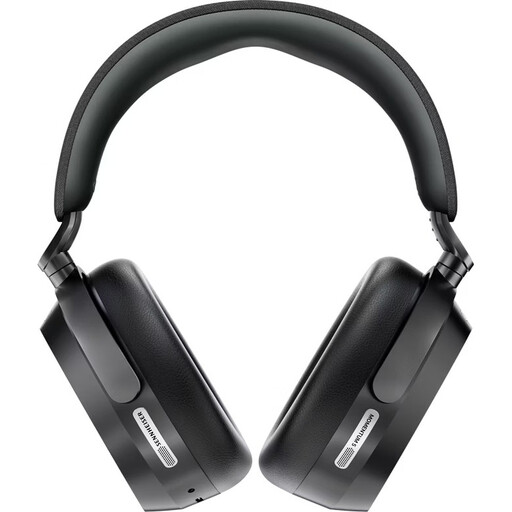 No image available
The closed-back design and ANC are well suited to train journeys where you want to reduce train noise and use transparency mode when needed.
The product title lists up to 57 hours of battery life, Bluetooth 5.4 and a replaceable battery.
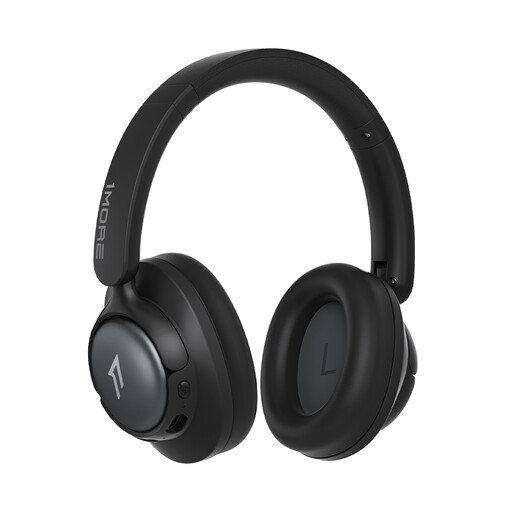 No image available
These over-ear headphones with ANC and transparency mode are worth considering if you want to switch between your recording and your surroundings.
The product title lists 90 hours of playback and preset EQ modes via an app.
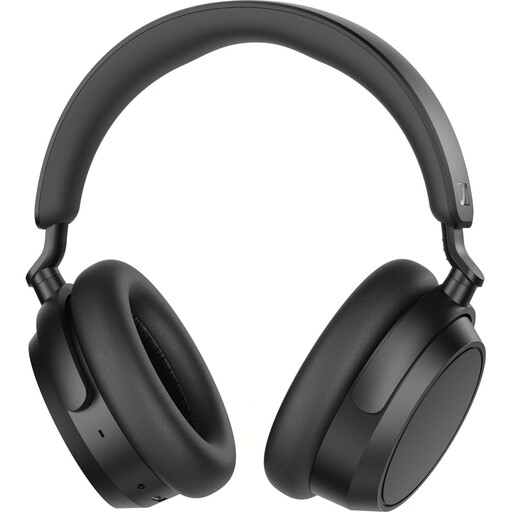 No image available
The closed-back design and ANC are useful on train journeys when you want to reduce train noise.
The product title lists up to 50 hours of battery life, Bluetooth 5.2 with aptX and a detachable cable.
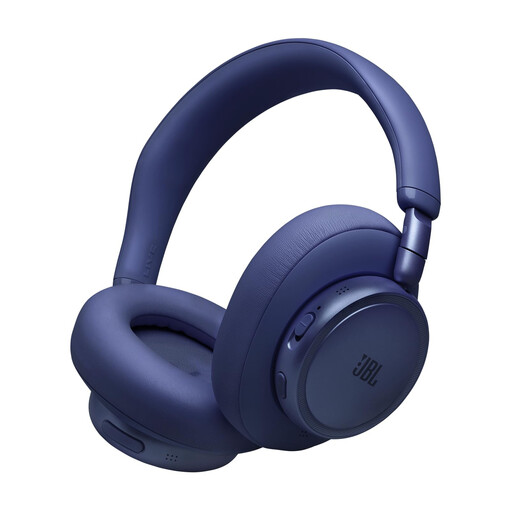 No image available
These over-ear headphones with adaptive ANC could suit train journeys where you want to reduce train noise.
The product title lists True Adaptive Noise Cancelling 2.0, up to 80 hours of battery life and Bluetooth 6.0 with Multipoint.
 No image available
These over-ear headphones with ANC are an option if you want to reduce train noise on your journey. Before buying, check that the fit and sound work for you.
No. Some models have an ambient or transparency mode. If an announcement is important, pause playback and listen carefully. The mode alone doesn’t guarantee that you’ll hear every announcement clearly.
First, make sure the headphones fit well and reduce enough noise for you, rather than turning the volume up to drown out the train. The WHO recommends well-fitting headphones and noise cancellation so you don’t have to turn the volume up as much in noisy surroundings.
No. Deutsche Bahn says loud music, even through headphones, is not welcome in the quiet zone on ICE trains. This guidance applies to the quiet zone.
Check the fit, set a moderate volume and try the pause and ambient mode controls before you travel. On the Sennheiser MOMENTUM 4 Wireless, you can access EQ and sound modes through the Smart Control app; the Sony WH-1000XM6 specifications list an ambient mode.