Singers with live monitoring
You want to hear your recorded voice alongside the backing track and need headphones that work with your recording and monitoring setup.


A suitable wired pair of headphones is a straightforward choice if you want to monitor your voice live alongside a backing-vocal track. Focusrite describes Direct Monitoring on compatible interfaces as a way to send the microphone signal straight to your headphones. In a shared room, closed-back earcups let less playback sound escape, while open-back headphones let sound in and out. No headphone design can make your actual singing inaudible in the room, so check the fit, connection and volume too.
You want to hear your recorded voice alongside the backing track and need headphones that work with your recording and monitoring setup.
You want to listen to the backing track quietly and keep playback sound from escaping or reaching the microphone as much as possible. Your singing voice will still be audible.
You repeat a backing-vocal part before bed without recording live. A comfortable fit and a sensible volume matter more to you than studio monitoring.
First, decide whether you’ll just be playing a backing track or want to monitor your own voice live. This will determine the connection, design and monitoring setup you need.
A good fit if: You sing close to a microphone or want to keep the backing track from disturbing others.
Keep in mind: Fit and cable length are key; this design won’t dampen your voice in the room.
A good fit if: You’re listening mainly to the backing track alone in a quiet room, and sound leakage isn’t a concern.
Keep in mind: Shure notes that sound can pass through open-back earcups in both directions. That can be a drawback if you’re using a microphone or have sleeping housemates.
A good fit if: You’re listening to a backing-vocal track that’s already been recorded and freedom of movement matters more than live monitoring.
Keep in mind: When monitoring live, latency across the whole wireless, device and software chain can be distracting.
| Priority | What to check before buying | Who is it important for? |
|---|---|---|
| Hear your own voice in sync | Headphone output and plug; for recording, check that your specific interface has Direct Monitoring. If Direct Monitoring is enabled, avoid software monitoring so you don’t hear the signal twice. | If I want to hear my voice in time with the backing track while singing, I’ll check the output and monitoring on my interface. Roughly 36% of consumers prioritise synchronised live monitoring. |
| Keep playback sound down in a shared room | Closed-back design and well-fitting ear pads; this won’t block out your own voice in the room. | If someone is sleeping in the next room, I want to keep the backing track as quiet as possible outside my headphones. Around 29% of consumers put consideration for others first. |
| Pick out the backing vocals in the track | Listen to a familiar section at a moderate volume and consider the model’s sound tuning and fit, rather than judging by frequency range alone. | If I want to pick out the vocal entries and melody in a familiar section, what matters to me is how it sounds with that specific track. Roughly 21% of consumers prioritise picking out backing vocals. |
| Practise briefly and comfortably | Check the fit in your usual sitting position, cable length, suitable adapter and model-specific replacement ear pads. Consider volume and listening time together. | If I’m only practising briefly before bed, I want a comfortable fit and a fuss-free setup. Around 14% of consumers put comfort and care first. |
Latency can arise anywhere in the signal-processing chain. The headphones alone can’t fix a delayed microphone signal.
Before you buy, decide whether you’ll just be playing a backing track or want to hear your voice electronically in real time. If you’re recording, check whether your interface offers Direct Monitoring.
The design mainly affects playback sound from the earcups. Your actual singing voice will still be audible in the room.
If your housemates are asleep, bear your own singing volume in mind and practise quietly.
The models mentioned differ in several ways, including cables, connections and replacement-part options.
Before ordering, check the full model name against the headphone output on your device.
An incompatible connection may mean you need a suitable adapter or replacement cable.
Audio-Technica describes the closed-back, wired ATH-M40x as headphones for recording and monitoring.
The manufacturer says the closed-back DT 770 PRO X is designed for recording and monitoring. The DT 700 PRO X is a different model range.
Sennheiser describes the HD 280 PRO, article 506845, as closed-back headphones for recording and monitoring.
The MDR-7506 is a studio headphone in Sony’s German product range.
This Joybuy selection includes headphones and earphones for playing a backing track, with both wireless and wired models. For live monitoring, check the connection and recording device separately.
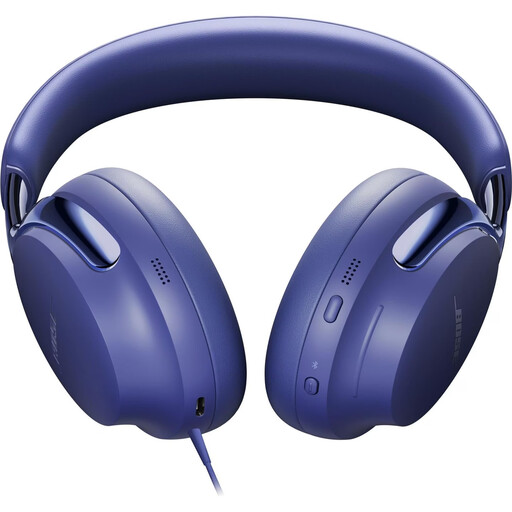 No image available
Best considered as Bluetooth headphones for playing a backing-vocal track that’s already been recorded. If you’re monitoring live, check the latency of your specific connection.
Described as having a closed-back design; this won’t block out your own singing voice in the room.
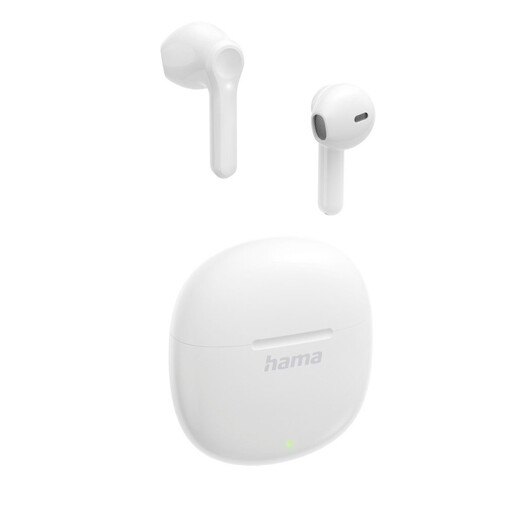 No image available
Designed for playing a backing track wirelessly; if you’re recording live, check whether the latency works for singing along.
The product name identifies these as true wireless.
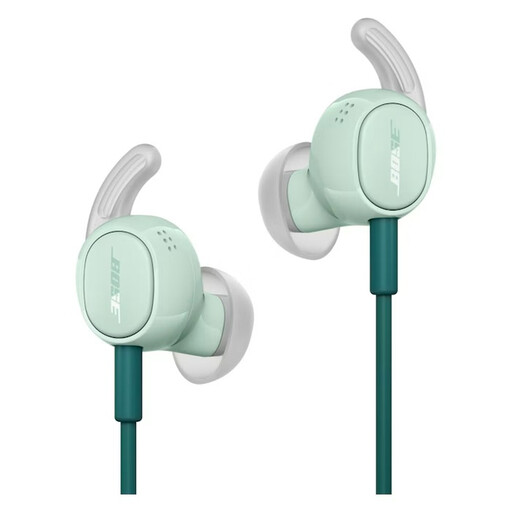 No image available
A wired option for playing a backing track. Before you buy, check that the connection is compatible with your playback device.
The product description lists a wired remote with volume buttons.
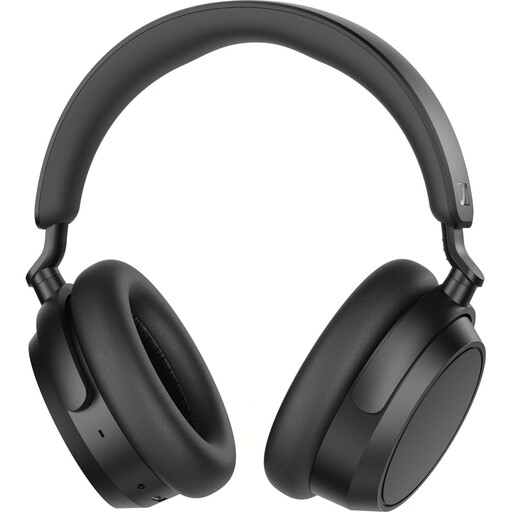 No image available
The product name indicates that this model can be used wirelessly or with a cable. Check which connection suits your device and practice routine.
Bluetooth 5.2, aptX, active noise cancellation, 50-hour battery life and a detachable cable are listed in the product name.
The closed-back design limits playback sound, not your own singing voice as heard in the room.
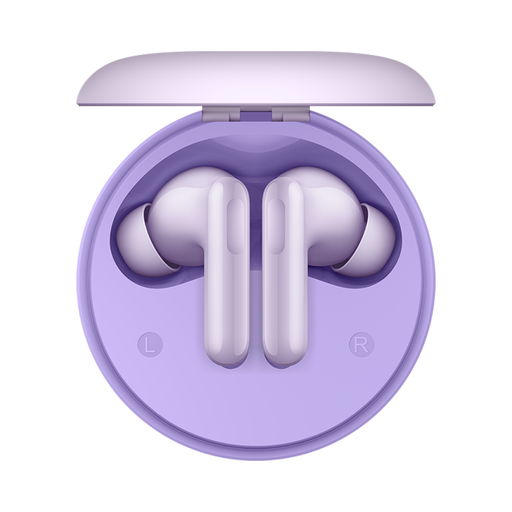 No image available
Best considered as wireless earphones for playing a backing track. If you want to monitor your voice live, check the latency of your specific connection.
12.4 mm drivers, 49 dB active noise cancellation and 42-hour battery life are listed in the product name.
No. It depends on the whole microphone, device and software chain. Focusrite describes Direct Monitoring on compatible interfaces as sending the input signal straight to your headphones. Using software monitoring at the same time can make you hear a second, delayed signal.
No. Closed-back earcups mainly affect playback sound, such as a backing track or click track. Your voice will still be audible in the room.
Start quietly and take account of both volume and total listening time. The World Health Organization gives 80 dB for up to 40 hours a week as an example for adults; without measuring the sound level, this doesn’t tell you what a safe volume setting is.
First, check whether replacement ear pads are available for your exact model version. If the product is faulty, statutory consumer rights against the seller are separate from a voluntary guarantee; the first remedies are repair or replacement.
For a typical distance purchase, the cancellation period is generally 14 days from delivery. The EU’s Your Europe information page notes that exceptions may apply, so check the terms for your specific purchase.