Quiet language learners
You replay spoken notes at a quiet study space and want to make out the words at a low volume without disturbing the person next to you.


When listening to voice notes in a quiet library, a good fit should come first: playback needs to remain clear at a low volume without disturbing anyone nearby. RTINGS.com outlines the different characteristics of over-ear and in-ear designs. ANC is an extra consideration if there is disruptive noise where you’re sitting, but it’s no substitute for a good fit or checking the volume.
You replay spoken notes at a quiet study space and want to make out the words at a low volume without disturbing the person next to you.
You listen and pause over longer sessions, so comfort, controls and battery life that suits your daily routine all matter.
You listen to recordings in different places or on different devices, and need to weigh up the design, connection options and awareness of your surroundings.
First, check how clearly you can hear your recordings and whether sound leaks out at the volume you actually use. Then compare the fit, connection and extra features with your longest study session and the place where you’ll be studying.
| What matters | What to look for when buying | Who should pay particular attention |
|---|---|---|
| Speech clarity | Try listening to one of your own recordings at a low volume; check the fit and how well they block sound. | When I quietly replay my own voice notes, I want to understand the words without turning up the volume. That’s why around 25% of consumers put speech clarity at low volumes first. |
| Being considerate in the reading room | At your usual volume, check whether anyone nearby can hear your audio; follow the rules of the library. | It’s important to me that other people aren’t disturbed while I replay my notes. Around 25% of consumers are particularly keen not to disturb people nearby in quiet study areas. |
| Fit and battery life | Try them on with your own glasses; distinguish between battery life on a single charge and the extra battery life provided by the charging case. | When I listen for longer periods, I want to minimise interruptions caused by discomfort or charging breaks. Around 20% of consumers prioritise comfort and battery life for a longer session. |
| Connection and controls | Check that Bluetooth or the required cable connection works with your playback device. | I want to play my recordings on my existing laptop, tablet or phone without a complicated set-up. Around 15% of consumers prioritise connecting to their own device and ease of use. |
| Features and accessories | Choose only the extra features you need; check whether any required cables or ear tips are included. | I don’t want to choose a feature I won’t use in a quiet study space, and I want to know which accessories I’ll need before replaying my notes. Around 15% of consumers pay particular attention to useful features and what’s included in the box. |
How much noise is reduced depends, among other things, on the type of noise and how well the headphones fit. Whether sound leaks out is a separate issue from noise cancellation.
Try one of your own recordings at the volume you plan to use. Check both how clearly you can hear it and whether anyone nearby can hear it too.
JBL quotes eight hours per earbud charge with ANC enabled for the Tour Pro 3, plus another 24 hours from the charging case. The extra battery life from the case does not mean the earbuds can play continuously for that long.
For your longest study session, compare the battery life per charge in the mode you want to use.
Battery life, connection and noise control details may apply to a specific model. Bose distinguishes between generations in its QuietComfort range; you can’t automatically apply older specifications to the second generation.
Check the full model name and confirm key details against the manufacturer’s information for the specific version.
The closed-back, over-ear WH-1000XM6 is one option to consider if ANC, ambient mode and the option of using an audio cable matter to you.
The Tour Pro 3 and Live 770NC represent different designs: compact in-ear headphones and over-ear headphones.
AirPods Pro 3 are a compact in-ear option for people who value a small design, a choice of ear tips and on-ear controls.
QuietComfort offers an over-ear option; the second generation is distinct from the older QuietComfort range.
Space A40 is another compact in-ear option with ANC.
This selection includes Bluetooth earbuds and closed-back over-ear headphones, including models with ANC and wired options.
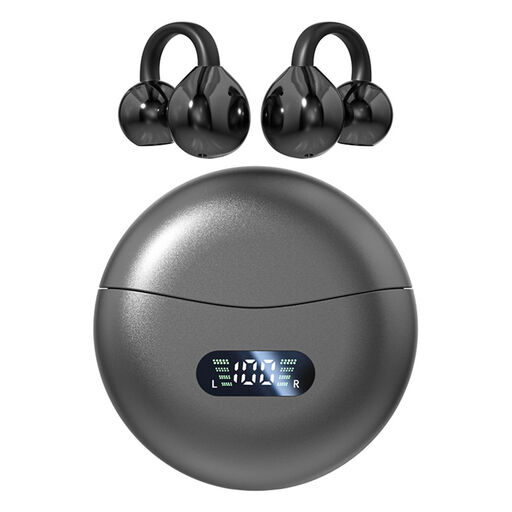 No image available
The product description lists audio and music playback, and compatibility with iOS, Android and Windows devices. Check that they work with your device and voice notes app.
Bluetooth 5.4; the description lists up to 6 hours of battery life per charge.
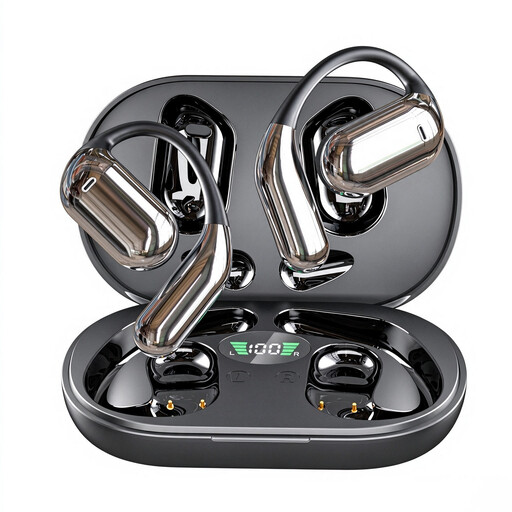 No image available
The product description lists music and study use, as well as smartphones, PCs and laptops. Check that they connect to your specific playback device.
Bluetooth and USB-C charging port.
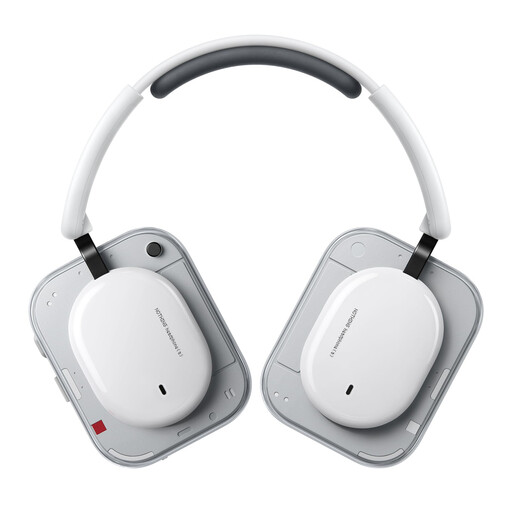 No image available
The closed-back, over-ear design with ANC may suit you if there’s distracting background noise where you study. Try them for yourself to check the fit and speech clarity.
ANC, Transparency mode, Bluetooth and USB-C audio; the product description lists a weight of 250 g and up to 30 hours of battery life, depending on audio mode.
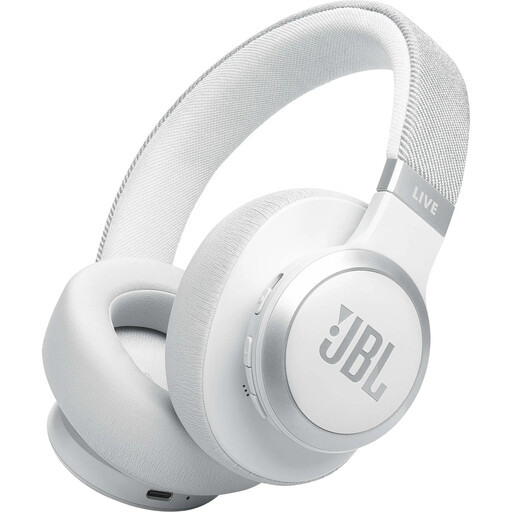 No image available
ANC and Smart Ambient offer different ways to manage noise cancellation and awareness of your surroundings. Consider which settings you’d actually use while studying.
Detachable audio cable and multipoint. JBL quotes up to 50 hours of playback for the described wireless use.
 No image available
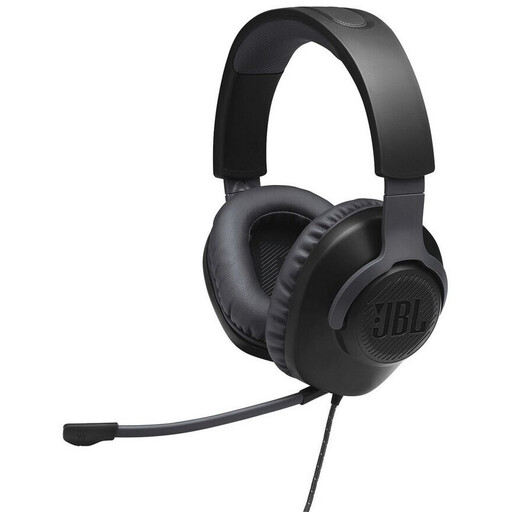
The closed-back, wired design may suit you if your playback device has a 3.5 mm socket. Try listening to your recordings at your study space to check how clearly you can hear them.
3.5 mm connection, on-headphone volume control, detachable microphone, memory foam ear cushions and a weight of 216 g according to the product description.
Not necessarily. First, check whether your recording is clear through well-fitting headphones at a low volume. ANC works differently depending on the noise and how it’s implemented. It doesn’t guarantee complete silence or ensure that other people can’t hear your audio.
Connect them to the device you’ll actually use, or check that its cable connection is compatible. If you’re using in-ear headphones, choose ear tips that fit, and start at a low volume. The World Health Organization recommends well-fitting headphones and noise cancellation to reduce the need to turn up the volume in noisy environments. Follow the cleaning and charging instructions for your specific model.
Distance sales contracts generally come with a right to cancel; the Verbraucherzentrale says this is usually 14 days. Section 312g of the German Civil Code (BGB) provides for exceptions, including certain sealed goods that are unsuitable for return for hygiene reasons if the seal has been removed after delivery. You can’t tell whether this exception applies to a particular pair of headphones from the product category alone; statutory rights for faulty goods are separate.
It depends on the rules at the place where you’re studying. Heidelberg University Library describes its Altstadt reading room as a quiet study area where silence is required; the University Medical Centre Mannheim Library provides headphones for use on site. Check your library’s rules and make sure other people can’t hear your audio.
Section 23(1) of the German Road Traffic Regulations (StVO) requires drivers to ensure that devices do not impair their vision or hearing. This does not amount to a blanket ban on headphones, nor does it mean every volume level or ANC setting is permitted; you must remain aware of traffic. This rule applies to your journey to the library, not to using headphones at your study space.