What should you look for when buying?
First decide whether a cable or an existing compatible wireless system is better suited to your recording. Then check the room sound, connector and power requirements, and whether you want to record both sides of the conversation.
Dynamic microphone with XLR cable
A good fit if: the seated person stays in place and your recorder or audio interface has a suitable XLR microphone input. Shure states that the WH20XLR does not require phantom power.
Bear in mind: you’ll need to route the cable and have a suitable input. The polar pattern doesn’t guarantee that other voices won’t be picked up.
Microphone for a compatible bodypack transmitter
A good fit if: you already have a compatible wireless system, or running a cable to the recorder would be impractical. Sennheiser lists the ME 3 for EW-D and XSW; RØDE lists specific compatible systems and inputs with plug-in power for the HS2.
Bear in mind: the microphone, transmitter and receiver must be compatible as a specific combination. For wireless use, you’ll also need to check the relevant German frequency regulations.
Condenser microphone with XLR cable
A good fit if: you have a suitable XLR input with the required power supply. AKG specifies a power supply of 9 to 52 V for the C520.
Bear in mind: the C520 with standard XLR is not the C520-L version with mini XLR. Make sure the connector and power supply are compatible with your recording equipment.
| Buying criterion |
What to check before buying |
Who is this particularly important to? |
| Clear voice recording in the room |
Test the microphone position and room sound with a short recording from the actual seat. |
If I’m recording one person in a lively group, I want to hear how much of the other conversations ends up in the recording. Around 33% of consumers say room noise is their biggest concern when buying. |
| Connector and power supply |
Check the model variant, connector, input and power requirements against the equipment documentation. |
If I want to use my existing recorder, I need a compatible connector and the right power supply—not just a plug that looks similar. Around 27% of consumers put device compatibility first. |
| Comfort during longer conversations |
Adjust the microphone boom and route the cable so it doesn’t pull. |
If I’m planning several longer interviews, I want to be able to adjust the fit and position of the microphone boom for the person wearing it. Around 20% of consumers prioritise comfort. |
| Recording questions and answers |
Decide in advance whether you need just the answers or both voices, and make a full test recording. |
If I also want to record my questions, I’ll plan for a suitable microphone position or an additional recording channel. Around 20% of consumers say recording both voices is their main concern. |
Related products from Joybuy
The following products are headsets with microphones. If you’re planning to record an interview with a recorder, check in advance that the connector and recording setup for each product are compatible with your device.
 No image available
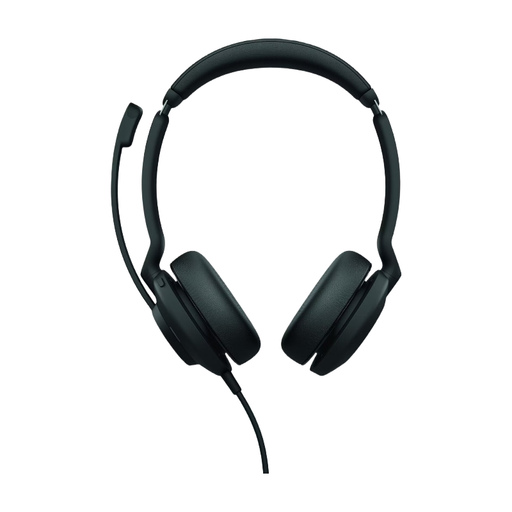
Jabra Evolve2 30 SE headset 23189-999-779
For computer-based voice recordings, the specified USB-A connector is relevant. Check whether your recording device supports it as an audio input.
View at Joybuy
 No image available
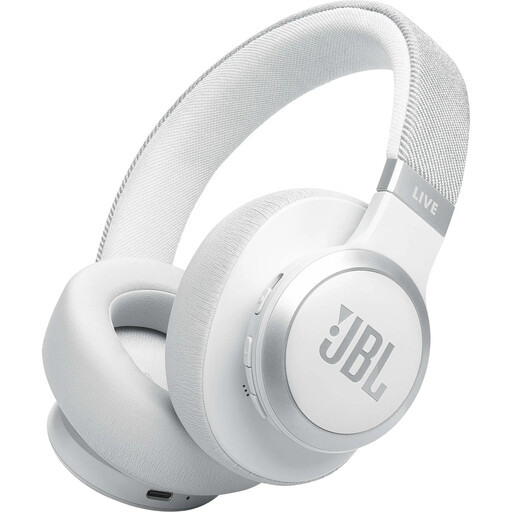
JBL LIVE 770NC wireless over-ear headset with microphone, White
If you’re considering a wireless over-ear headset with a microphone, check whether your recorder supports its specific connection method for recording.
View at Joybuy
 No image available
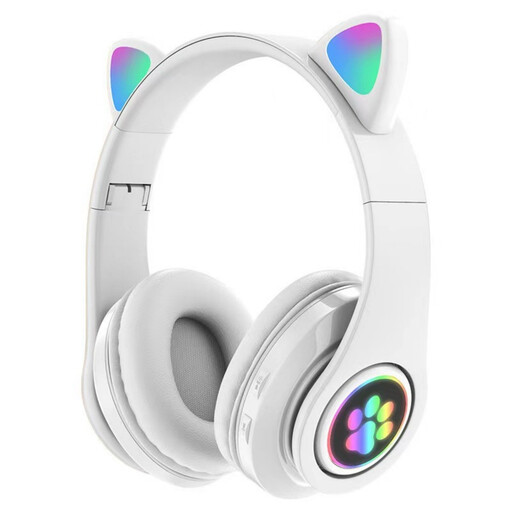
KINSI RGB headset with cat ears, White
The product name describes a wireless headset with a microphone. Before buying, check whether your recorder supports this headset for your recording setup.
View at Joybuy
Frequently asked questions
How should I position the microphone for a test recording?
For the WH20, Shure recommends adjusting the boom, securing the cable with the clip and positioning the capsule to the side rather than directly in front of your mouth. This guidance applies to the WH20. Position other models according to their own instructions, then listen back to your test recording.
Do I need any extra equipment for a headset microphone?
It depends on the version: the WH20XLR needs a suitable wired XLR microphone input, the HS2 needs a compatible input with plug-in power or a compatible wireless system, and the ME 3 is designed for specific Sennheiser systems. Check the microphone’s exact model name against the specifications for your recorder or transmitter.
Can I record a personal interview at a class reunion?
Section 201 of the German Criminal Code makes it an offence to record spoken words that are not intended for the public without authorisation, and also covers certain uses of such recordings. Get the speaker’s permission before recording. Any later sharing or publication should be considered separately. For consent under data protection law, the Data Protection Conference cites factors including that it must be freely given, informed and unambiguous. This alone doesn’t determine whether the GDPR applies in a particular case that is purely private.
Can I use any wireless microphone system in Germany without checking first?
No. In its general allocation published in April 2026, the Federal Network Agency lists permitted frequency bands, each with its own conditions and time limits. So check the frequency band of the specific wireless system against the allocation currently in force.


