What should you look for when buying?
For a softly spoken fundraising appeal, the key considerations are an adjustable microphone position, compatible connections and a reliable listening test.
| What matters |
What to check before buying |
Who should consider this? |
| Clarity when speaking softly |
Adjust the microphone position and listen to a softly spoken passage, including pauses and P and T sounds. |
If I speak softly, I want to be able to hear my voice clearly in the saved recording. Around 36% of consumers would put voice clarity first. |
| Connection and recording setup |
Check that the specific product version and supplied cable match the microphone input on your recording device. |
If I want to record on my computer without any extra steps, the headset connection needs to be compatible with my device. Around 29% of consumers would prioritise a straightforward, compatible connection. |
| Monitoring and background noise |
Listen to the saved microphone track separately from the monitoring signal, in the environment where you plan to record. |
If I want to monitor several takes, I need to be able to assess the recording without assuming that monitoring means the microphone track is free from unwanted noise. Around 21% of consumers would prioritise monitoring and the recording environment. |
| Comfort over several takes |
Check the fit and adjustability; if needed, look for replacement ear pads for the specific model version. |
If I have several takes to record, I want a comfortable headset that I can adjust to fit. Around 14% of consumers would prioritise fit and comfort over longer periods of use. |
Headsets at Joybuy
The headsets with microphones below have different connection types and designs. Check that they’re compatible with your recording device, then make a test recording and listen to how your softly spoken voice sounds before recording your fundraising appeal.
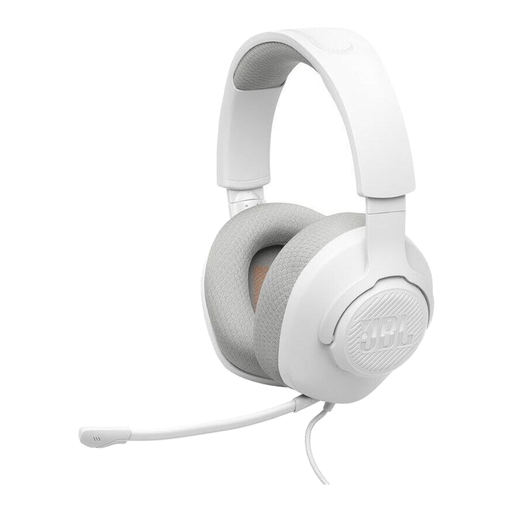 No image available
JBL Quantum 100M2 On-Ear Gaming Headset
Make a test recording to see whether you can position the boom microphone to suit the way you speak.
3.5 mm jack; detachable microphone with mute function.
View at Joybuy
 No image available
ONIKUMA GT889 Wireless Headset
If you’re considering this model for your fundraising appeal, test your softly spoken voice using the actual connection and recording environment.
The product name specifies 2.4 GHz wireless and wired use.
View at Joybuy
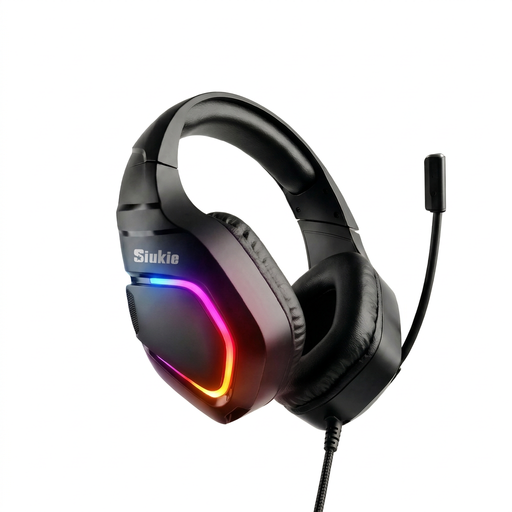 No image available
Siukie H100 Gaming Headset
A test recording will help you check whether this specific version works with the microphone input on your recording device.
The product name specifies USB and a 3.5 mm jack.
View at Joybuy
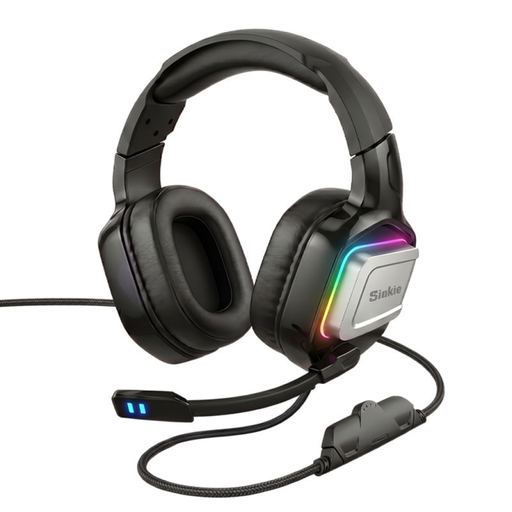 No image available
Siukie L200 Over-Ear Gaming Headset
Before recording, check that the connection version is compatible with your device and that your voice remains clear in the saved test recording.
The product name specifies USB and a 3.5 mm jack, as well as a 50 mm driver.
View at Joybuy
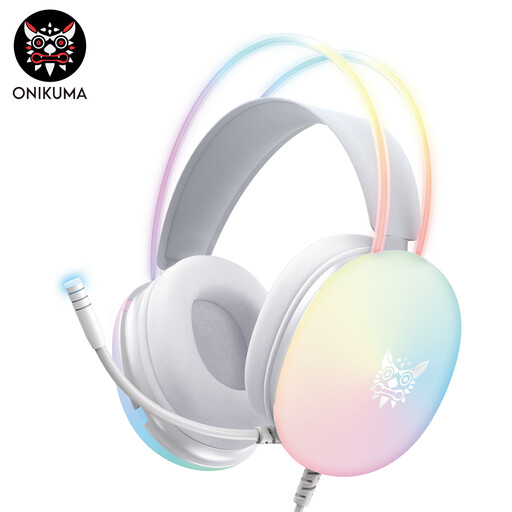 No image available
ONIKUMA X25 Gaming Earbuds
These earbuds are worth considering only if the design suits you and the microphone connection works with your recording device.
The product description specifies a 3.5 mm jack for audio; USB powers the RGB lighting only.
View at Joybuy
Frequently asked questions
How can I check in advance that a softly spoken voice will be clear in the recording?
Record a typical passage with short pauses, then listen to the saved recording. Shure recommends positioning the microphone to the side of your mouth, angled towards its centre. Listen for breath and plosive sounds too, and don’t rely on the monitoring signal alone.
Can I simply connect any of these headsets to my computer via USB?
No, connection types vary. The Logitech H390 is a USB headset; according to its instructions, the RØDE NTH-100M needs the supplied TRRS cable for the microphone to work, while the listed Audio-Technica BPHS1 version has separate XLR and 6.3 mm plugs. Check the specific version and the inputs on your recording device.
Might I need additional recording equipment?
Yes, if your device doesn’t have the right microphone and headphone inputs for your chosen headset. The listed BPHS1 version has separate connections, while Shure notes that the BRH31M’s microphone level is too low for a direct computer connection. Check the connections before you decide.
Can I record someone else’s voice without asking them first?
Not in every case. Section 201 of the German Criminal Code (StGB) covers, among other things, making an unauthorised recording of another person speaking in private. Discuss the recording and how you plan to use it with the person speaking beforehand; the specific legal position depends on the circumstances.
What should I check to ensure the product meets the relevant requirements?
The German Federal Network Agency lists correct CE marking and identifiable product and manufacturer details among the checks it carries out during market surveillance. You can’t determine which requirements apply to a particular headset from its product name alone.


