Speakers recording in a fixed location
If you want to record museum narration with audible fan noise, you can test the microphone position and recording location beforehand, then assess the recording where you’ll actually be using it.


For recording museum narration with audible fan noise, a headset microphone that can be positioned close to your mouth and has the right connection is a sensible starting point. Make a test recording at the actual recording location: a directional capsule may reduce noise from the sides, but it cannot reliably eliminate fan noise. Then choose between a separate microphone, an analogue headset and a USB option based on whether your recording device supports the signal path and whether you need to monitor your audio as you record. XLR and TRRS options may require additional equipment or a suitable power supply.
If you want to record museum narration with audible fan noise, you can test the microphone position and recording location beforehand, then assess the recording where you’ll actually be using it.
If you want to connect a headset to a computer, recorder or audio interface, plan the complete signal path before you buy.
If you’re recording longer passages and want to check your voice and background noise, make sure the built-in headphones and connections are compatible with your recording device.
Work through these points in order: how clear your voice is at the location with fan noise, the right connection, monitoring, and finally comfort or freedom of movement.
| What matters | What to check before buying | Who should pay particular attention? |
|---|---|---|
| Voice clarity with fan noise | Check that you can position the microphone close to your mouth, then assess an unedited test recording at the location where you’ll be using it. | If I want to record clear museum narration despite audible fan noise, the result at the actual recording location matters most to me. Around 36 % of consumers put voice clarity first. |
| The right signal path | Check that the microphone and headphone connections match the inputs and outputs on your computer, recorder or audio interface. Allow for any power supply or additional equipment you may need. | If you want to keep using your existing recording equipment, you need to make sure the entire signal path will work. Around 29 % of consumers prioritise having the right connection. |
| Monitoring while recording | Check whether your device has a usable headphone output as well as a microphone input, then listen back to your test recording to assess fan noise and voice clarity. | If I’m recording longer passages, I want to be able to monitor my voice and the background as I go. Around 21 % of consumers prioritise built-in monitoring. |
| Fit and freedom of movement | Check the headband position and ear pads for longer recording sessions. Consider wireless only if you genuinely need to move around, and check the requirements of the specific system. | If you’re recording longer texts or need to move around while doing so, fit and freedom of movement matter most. Around 14 % of consumers prioritise comfort or mobility. |
A microphone’s directionality and the manufacturer’s claims don’t tell you how it will sound at a particular museum location. Noise-reduction software also doesn’t treat every type of interference in the same way.
First, make an unedited recording at the actual location, position the microphone, and only then decide whether to edit the audio.
The wrong settings could mean more time spent editing or having to record again.
XLR, USB-A and TRRS connections have different requirements for inputs, headphone outputs and, in some cases, power. According to beyerdynamic, the DT 109 doesn’t include a connection cable.
Before buying, note the connections on your recording device and check them against the cable, power requirements and items included with the exact version you’re considering.
Depending on your setup, you may need an audio interface, a suitable connection cable or a power adapter.
The design of the ear cups affects what you hear. You’ll need to assess separately whether fan noise is a problem in the microphone recording.
Consider monitoring comfort and the sound of the recorded file as two separate buying criteria.
The WH20XLR is a standalone dynamic headworn microphone; the SM35 is a directional condenser alternative available with different connection options.
The NTH-100M combines headphones with a detachable boom microphone, making it an option for people looking for an analogue headset.
The BPHS2a is designed for a broadcast recording setup, with an XLR microphone connection and a separate headphone output; the ATH-M50xSTS-USB is a USB-A option for computers.
The DT 109 is a closed-back broadcast headset with a dynamic hypercardioid microphone, designed for a suitably equipped recording setup.
The HMD 26 is a modular, closed-back broadcast headset with a dynamic supercardioid microphone.
The Joybuy products below are headsets with microphones for voice recording. Before buying, check that the connection on the model you’re considering is compatible with your computer or recording device.
 No image available
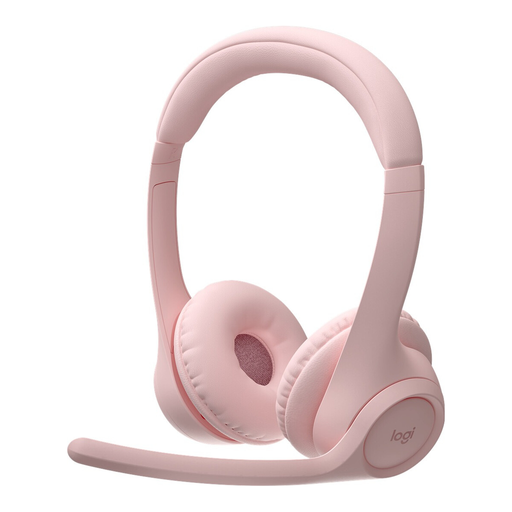
If wireless recording is important to you, this model may be worth considering. Test the voice recording at the location with fan noise, as the stated noise cancellation doesn’t prove how well it will work there.
Bluetooth headset with microphone; the product description states up to 16 hours of talk time.
 No image available
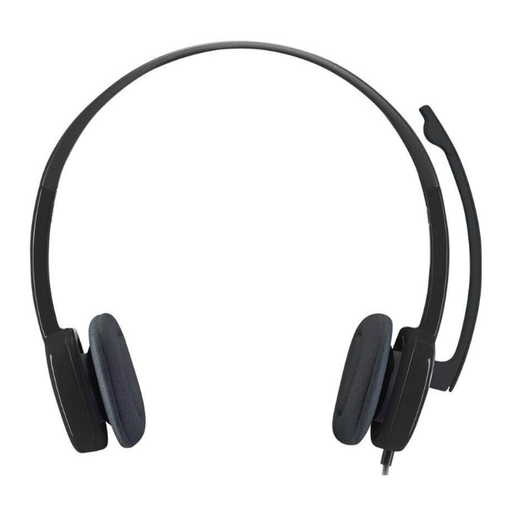
For wired voice recording, you can position the adjustable microphone close to your mouth. Check that the 3.5 mm connection is compatible with your device.
3.5 mm jack connection with in-line volume control and mute.
 No image available
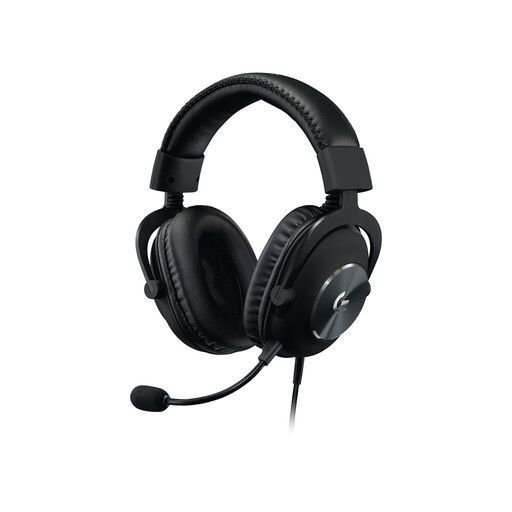
If you want to record on a computer via USB, check that the stated USB recording setup works with your equipment. It doesn’t prove that the headset will reduce fan noise.
Detachable microphone and external USB sound card, according to the product description.
 No image available
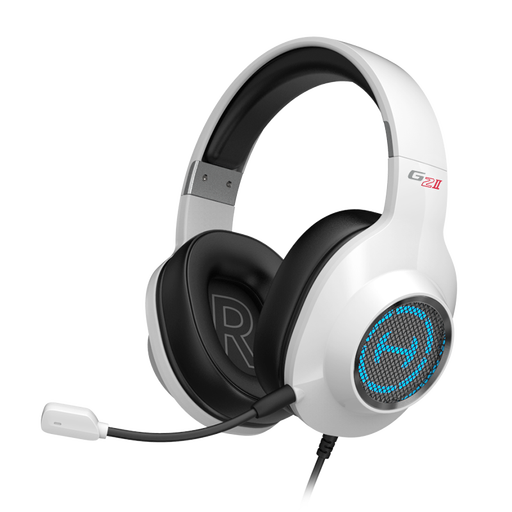
This could be an option for computer recording if its USB connection is compatible with your device. The stated microphone noise cancellation doesn’t prove how well it works with fan noise at your recording location.
USB connection; the product description states that it has a built-in microphone.
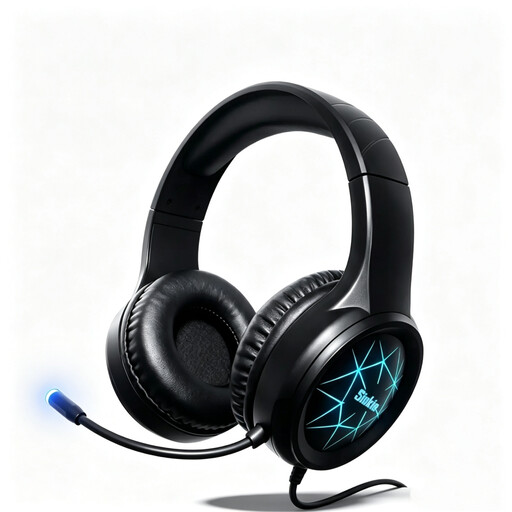 No image available
Check whether USB or a 3.5 mm jack is compatible with your recording device. The stated microphone noise cancellation doesn’t show how well it will handle fan noise in a museum.
Wired headset with a swivelling microphone; product information lists USB and 3.5 mm connections.
Audacity says its noise reduction tool is suitable for relatively constant sounds such as fan noise, but not for individual clicks or irregular audience noise. Record a short section without speech as well, then listen back to assess the edited result. The feature is no substitute for making the best possible original recording.
Check the complete signal path. For an XLR microphone connected to a computer, Audacity recommends an XLR-to-USB audio interface. With the RØDE NTH-100M, you can separate the microphone and headphone signals using the included splitter. Select the recording device you’ve actually connected, then listen back to a test recording.
It depends on the version and the equipment you already have. For computer recording via XLR, you may need an audio interface, and beyerdynamic says the DT 109 doesn’t include a connection cable. To connect the RØDE NTH-100M microphone to an XLR input, you’ll need to allow for a suitable plug-in power supply.
There’s no simple yes or no. Under the GDPR, processing personal data requires a legal basis under Article 6, according to the Federal Commissioner for Data Protection and Freedom of Information. Consent is one possible legal basis, but it isn’t automatically the only one. The museum should clarify the purpose, legal basis and any intended publication in advance.
It depends on the system. In Decision 37/2026, the Federal Network Agency lists frequency bands that are generally allocated, along with the relevant technical and operating conditions. Whether a particular device qualifies depends on its frequency and configuration. Check these details before using it.