Soft-spoken narration
If you comment on poems in a soft voice, keep the microphone at a consistent distance and test your recording where you plan to use it. Shure points out that a microphone won’t improve the acoustics of the room it’s in.


For softly spoken poetry commentary, the key is to keep the microphone consistently close to your mouth and record somewhere quiet; a headset won’t eliminate room echo on its own. Then choose a setup to suit your recording device: a compatible 3.5 mm headset, a USB option for PC, or a broadcast headset with separate microphone input – and, for longer recording sessions, consider comfort and cable length too.
If you comment on poems in a soft voice, keep the microphone at a consistent distance and test your recording where you plan to use it. Shure points out that a microphone won’t improve the acoustics of the room it’s in.
If you want to record without a broadcast interface, first check whether your computer has a suitable USB or headset connection, or separate audio sockets. With some headsets, the microphone only works with the specified cable and input, as RØDE explains for the NTH-100M.
If you’re recording longer takes and want to hear yourself as you go, comfort and monitoring are separate considerations. You can’t determine how well a headset will fit from the product details alone; Bonedo notes that comfort ratings vary between users.
A good fit if: your recording device has a compatible headset input and you want to connect your headphones and microphone without a broadcast interface.
Bear in mind: RØDE requires the supplied TRRS cable for the NTH-100M; if your device has separate 3.5 mm sockets, you’ll need the specified splitter cable.
A good fit if: you record on a PC and want a USB connection with configurable voice processing.
Bear in mind: Logitech G says the advanced Blue VO!CE features on the wired Logitech G PRO X require a PC and G HUB; try a test recording to see how they handle quieter passages.
A good fit if: your recording device or interface supports separate microphone and headphone connections.
Bear in mind: the Audio-Technica BPHS1 has an XLR microphone connection and a 6.3 mm headphone jack, so a single headset socket won’t be enough.
| What matters | What to check before buying | Who is this especially important to? |
|---|---|---|
| Capturing a soft voice clearly | Check the microphone boom and how easily it can be positioned; listen to a test recording of your own voice where you plan to record. | When I speak softly, I want to capture the ends of words clearly without unnecessarily emphasising room noise. Around 36% of consumers say speech clarity is their top priority. |
| The right connection | Check the connector layout and cable, and whether you’ll need an interface or splitter for the exact model. | When I want to record directly on my computer, the connection must properly support both the microphone and headphones. Around 29% of consumers put connection compatibility first. |
| Comfort during longer takes | Check the fit and padding against how long you’ll wear the headset; look for replaceable earpads if needed. | When I record longer commentary and want to hear myself as I go, I want the headset to feel comfortable. Around 21% of consumers name comfort as their top buying priority. |
| Levels and speech detail | Check the microphone position and monitoring options; record a quiet passage and an emphatic one, then check the input level. | When I want to preserve pauses and softly spoken word endings, I want to check the level before recording the full take. Around 14% of consumers prioritise levels and speech detail. |
A microphone won’t automatically remove unwanted room echo; setting the input level too high can also cause clipping.
First check the distance, direction and recording location. Then record a short test passage and check the level.
If a take is noisy or distorted, you may need to record it again.
A headphone output isn’t automatically a microphone input. TRRS, separate 3.5 mm sockets, XLR and 6.3 mm jacks are different types of connection.
Check your recording device’s connection and pin configuration against what’s included with the exact headset model.
For the beyerdynamic DT 297 PV MK II and the Sennheiser HMD 26, item number 700318, the manufacturers list the connection cable as not included.
Before buying, check the cable type, connectors, pin configuration and what’s included with the exact model.
The advanced Blue VO!CE features on the wired Logitech G PRO X require a PC and G HUB. That doesn’t mean a filter will sound right for every passage of a poem.
Compare a short recording with and without the filter, paying attention to quiet word endings, breaths and pauses.
The NTH-100M combines over-ear headphones with a detachable microphone and a dedicated TRRS connection.
The BPHS1 is a closed-back broadcast headset with a dynamic microphone and separate connections.
The wired PRO X is a USB option suited to PC use, with configurable voice processing.
The DT 297 PV MK II is a closed-back broadcast headset with a condenser microphone.
The HMD 26, item number 700318, is a wired on-ear broadcast headset with a dynamic supercardioid microphone.
This Joybuy selection includes headsets with microphones sold for voice communication. To decide whether a model is suitable for softly spoken poetry commentary, check the connection and make a short test recording.
 No image available
A possible option if you’re looking for a headset with a detachable microphone and wired or wireless connectivity; check which connection your recording device supports.
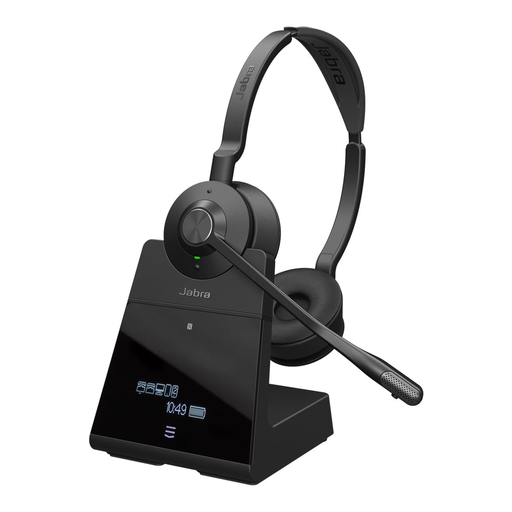 No image available
It may suit PC recording if the connection via the base station works with your setup.
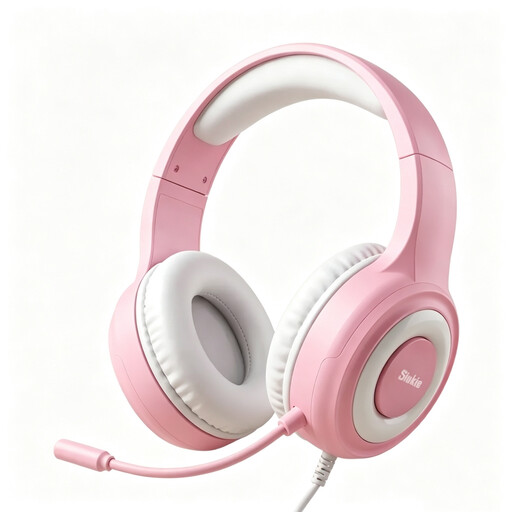 No image available
A possible option if you’re looking for a wired over-ear headset with a microphone; bear in mind that the connections have separate functions.
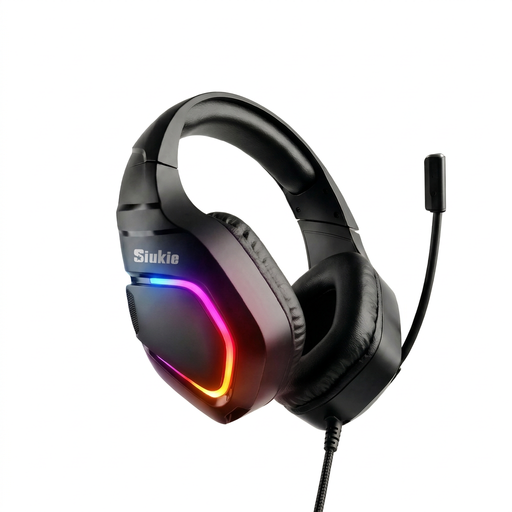 No image available
It may be worth considering if you’re looking for a wired headset with an adjustable microphone; check that the connections match your recording device before buying.
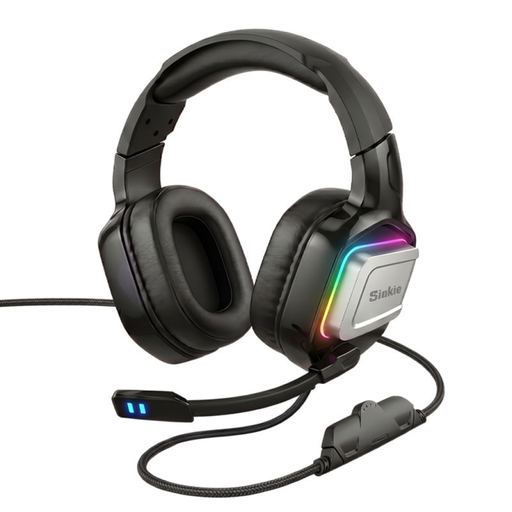 No image available
A possible option if you’re looking for a wired over-ear headset with a microphone; check which connection your device requires before recording.
Keep the microphone consistently close to your mouth and record a short test with both quiet and emphatic words. For the BPHS1, Audio-Technica recommends positioning it at the corner of your mouth; then check the input level before recording the full commentary.
Only if the socket and pin configuration provide a compatible microphone input. RØDE specifies the supplied TRRS cable for the NTH-100M; if your computer has separate 3.5 mm inputs and outputs, you can use the supplied splitter cable.
That depends on the connections available on your recording device. The Audio-Technica BPHS1 has an XLR plug for the microphone and a 6.3 mm plug for the headphones, so check whether your device supports these separate connections.
There’s no general answer without knowing the poem and how much of it you plan to use. The German Patent and Trade Mark Office points out that poems may be protected by copyright, and making them available to the public online is an exploitation right. Copyright generally expires 70 years after the author’s death. Before publishing, check the work’s copyright status, the permissions you need and how you plan to use it.