For recording directly on a computer, a headset with a compatible USB connection is the simplest option. If you have a suitable audio interface or mixer, separate microphone and headphone connections are also worth considering. When your delivery is lively and expressive, microphone position and recording level matter: test your loudest passage in your room before recording the introduction.
The right set-up for different hosts
Expressive quiz hosts
If you vary the emphasis between questions and announcements, take extra care when checking microphone position and recording level. Audacity recommends lowering the level if the meter reaches the yellow or red zone between −9 dB and 0 dB during a test.
Hosts with a simple computer set-up
If you want to use your microphone and headphones at the same recording station, check that the connection on the specific model is compatible with your computer and software. Audio-Technica describes different connection options for the ATH-M50xSTS.
Hosts who move while speaking
If you gesture or move your head as you speak, comfort and microphone adjustability are important things to check. Audio-Technica describes a flexible microphone boom, while Shure also offers the SM35, a headset microphone without integrated headphones.
What to look for when buying
First, check how the audio signal will reach your recording device. Then test the microphone position and level using your loudest passage. Comfort and monitoring become especially important when recording several takes.
USB headset connected to a computer
A good fit if: you want to record without a separate audio interface and your device’s USB connection is compatible with the model.
Consider: a compatible connection alone won’t tell you how your voice will sound in your room. Find out by making a test recording.
Separate analogue connections
A good fit if: you already have a suitable interface or mixer and want to connect the microphone and headphones separately. Audio-Technica lists an XLR microphone output and a 3.5 mm headphone connection for the ATH-M50xSTS.
Consider: both signal paths need to be compatible with your existing equipment. The analogue MMX 300 PRO uses a different connection set-up and is not a verified alternative to the XLR version.
Headset with a TRRS microphone connection
A good fit if: you want a headset with a detachable microphone that you can also use for monitoring, and your recording device supports the specified connection.
Consider: RØDE requires the supplied TRRS cable for the NTH-100M microphone to work. A generic headphone cable is not a guaranteed substitute.
Standalone headset microphone
A good fit if: freedom of movement while speaking is important and you already have separate headphones for monitoring.
Consider: the Shure SM35 doesn’t include headphones. For the TQG version, you’ll also need to check the required connection equipment and whether a preamp is needed.
Wireless gaming headset
A good fit if: a cable would get in the way of your performance and your computer supports the wireless connection used by the specific model.
Consider: battery life, wireless connectivity and filter settings will all become part of your recording routine. Gaming or chat features don’t guarantee that unfiltered voice recordings will meet your expectations.
| Priority |
What to check when buying |
Who it matters most to |
| Clear voice at varying volumes |
Check that the microphone boom is adjustable. Record your loudest passage and set the input level by watching the meter. |
If I want to record emphatic questions clearly, I look for intelligible speech without clipping at the peaks. Around 36% of consumers prioritise clarity at varying volumes. |
| Compatible connection and signal path |
Check the model and its microphone and headphone connections against your computer, recorder or interface. Find out which cables and extra equipment you’ll need. |
If I want to use my existing recording device, I need to know whether I can connect both the microphone and headphones. Around 29% of consumers prioritise a suitable connection and easy set-up. |
| Microphone position when moving |
Check the fit and adjustability while making your usual head movements. Listen to a test recording for plosives and breathing sounds. |
If I gesture or move my head while speaking, I want the microphone to stay in the right position. Around 21% of consumers prioritise freedom of movement and a consistent microphone position. |
| Monitoring and comfort over several takes |
Check whether headphones are included and which ear pads are supplied. Assess the fit and monitoring volume during practice runs. |
If I record an introduction several times, I want to monitor the recording comfortably and wear the headset without discomfort. Around 14% of consumers prioritise monitoring and comfort over repeated takes. |
Common buying mistakes
-
Assuming USB, XLR and TRRS connections are interchangeable
Headsets with similar names can use different signal paths. For some versions, the components you need depend specifically on the model variant.
Before buying, compare the full model name and its microphone and headphone connections with your recording device.
Depending on the version, you may need a suitable interface, preamp or compatible cable.
-
Relying on filters or sound claims instead of testing
Manufacturers’ claims about filters and voice quality don’t show how your expressive delivery will sound when recorded in your room. Clipped audio can’t be fixed afterwards.
Before recording, test a passage with your usual emphasis, including the loudest part. Listen back and adjust the input level.
-
Assuming a headset microphone is a complete headset
A standalone microphone such as the Shure SM35 doesn’t automatically include headphones for monitoring.
Check what’s included and plan for separate monitoring if you choose this type.
Depending on the SM35 version, you may also need suitable connection equipment. Headphones must be supplied separately.
Brands worth considering
Audio-Technica
The ATH-M50xSTS StreamSet is available in different connection versions for content recording.
- Audio-Technica lists a flexible microphone boom and two sets of ear pads.
- The USB-A and XLR versions use different signal paths. The manufacturer’s sound claims aren’t an independent comparison for quiz recordings.
RØDE
The NTH-100M is an over-ear headset with a detachable microphone. RØDE says it can also be used for monitoring without the microphone.
- The microphone can be detached.
- RØDE says the supplied TRRS cable is required for the microphone to work. Its claims about voice reproduction are the manufacturer’s own.
Shure
The SM35 is a headset microphone without integrated headphones.
- Shure describes a flexible fit and a windscreen.
- The TQG and XLR versions use different connection equipment. Make sure your equipment is compatible with the version you choose.
beyerdynamic
The MMX 300 PRO is an analogue, wired headset for a fixed recording position.
- The manufacturer describes it as an analogue design.
- The best way to find out whether its microphone is right for your quiz introduction is to record a take of your own.
Logitech G
The PRO X 2 LIGHTSPEED is a wireless gaming headset with a directional microphone and BLUE VO!CE features.
- Wireless operation means there’s no cable in the way while you speak.
- Check the battery, compatible wireless connection and filter settings. Gaming specifications don’t prove that it’s suitable for expressive voice recording.
Joybuy products for voice recording
The products listed here are headsets with microphones for voice recording, including both wired and wireless designs. Before buying, check that each one’s connection is compatible with your recording device.
 No image available
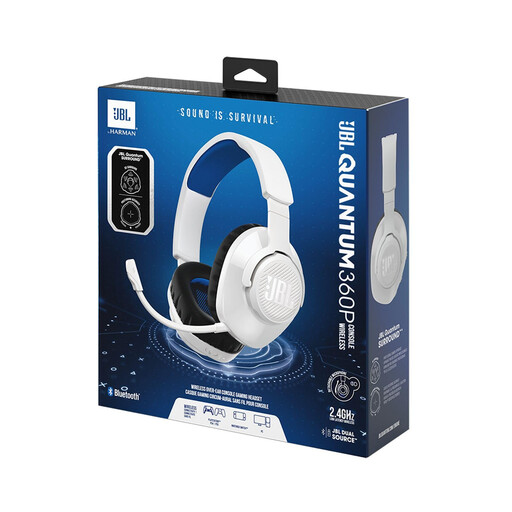
JBL Quantum 360P Over-Ear Wireless Gaming Headset
If you want freedom of movement while recording, check that wireless operation is compatible with your recording device.
The product name lists Bluetooth 5, a detachable 3.5 mm cable, a boom microphone and 22 h of battery life. It also specifies ANC and a white finish.
View at Joybuy
 No image available
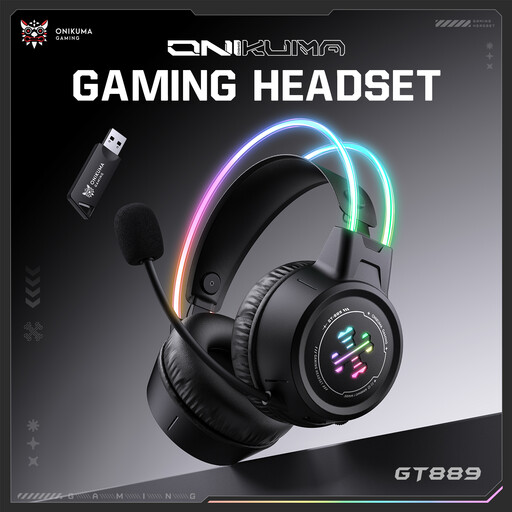
ONIKUMA GT889
If you want the option of switching between wireless and wired use, compare the listed connection types with your set-up.
The product name lists 2.4 GHz wireless and wired operation, 50 mm drivers and LED lighting.
View at Joybuy
 No image available
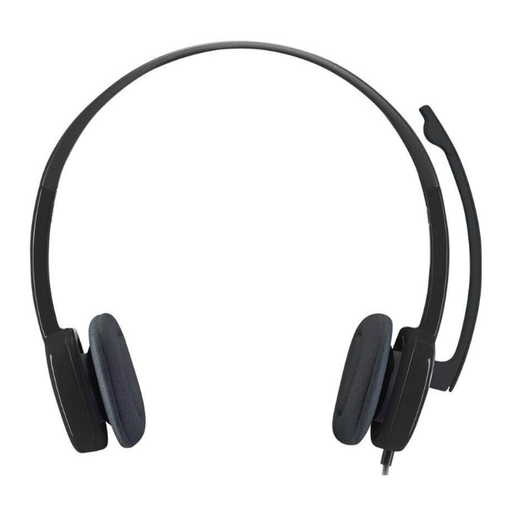
Logitech H151 Stereo Headset
If you’re looking for a wired headset, check that its 3.5 mm connection is compatible with the input on your recording device.
The product name lists an adjustable microphone, volume control and mute switch on the cable, plus a 3.5 mm jack.
View at Joybuy
 No image available
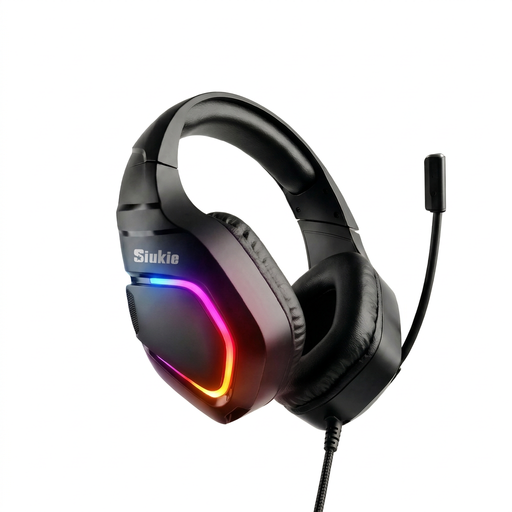
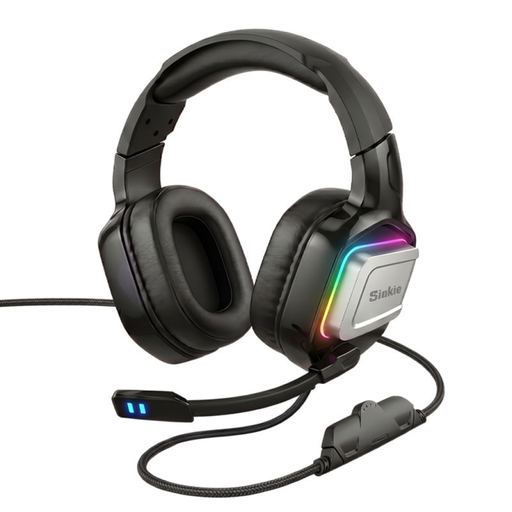
Siukie H100
If your recording device uses one of the listed cable connections, check which one is intended for microphone recording.
The product name lists a wired headset with USB and 3.5 mm connections.
View at Joybuy
 No image available
Siukie L200
If you’re considering a wired over-ear headset, check whether USB or 3.5 mm is compatible with your recording device.
The product name lists an over-ear headset with a microphone, USB and 3.5 mm connections, and 50 mm drivers.
View at Joybuy
Frequently asked questions
How can I prevent distortion when asking a quiz question loudly?
Record your loudest passage beforehand and watch the input-level meter. Audacity recommends lowering the level if the meter enters the yellow or red zone between −9 dB and 0 dB during a test. Clipped audio can’t be restored.
Will the RØDE NTH-100M microphone work with any headphone cable?
No. RØDE specifies the supplied TRRS cable for the microphone to work. Also check that your recording device has a compatible microphone input.
Who should I contact if a headset bought in Germany is faulty?
For a fault, the seller is generally responsible under the statutory guarantee. This is separate from a manufacturer’s warranty. The Verbraucherzentrale says that goods must generally be free from defects at the time of delivery for two years.
Can I publish a quiz introduction online with someone else’s music?
Not simply because you recorded the speech yourself. In Germany, § 19a UrhG covers making protected works available to the public; GEMA describes licensing options for music used in formats distributed online. Whether you need a licence, and which rights it covers, depends on factors including the music, the usage rights available and how it is distributed.


