What should you look for when buying?
Consider microphone position and room acoustics alongside visibility, fit and the signal path you need.
| What matters |
What to check before buying |
Who is it important to? |
| Changes in speaking volume |
Check the fit and microphone boom; test quiet and emphatic passages where you plan to record. |
When I explain something quietly while gesturing and then speak more emphatically, I want the microphone to stay in place and capture both styles. Around 36% of consumers prioritise changes in volume and movement. |
| Room noise |
Check the pickup pattern of the exact version and try it out in the room you plan to use. |
If there’s background noise in the room, I want to judge the recording for myself with the microphone in my chosen position. Around 29% of consumers prioritise reducing unwanted noise. |
| Visibility and fit |
Check the headband style and fit, including how it sits with glasses or other items you wear. |
When I’m presenting on camera, I want the headband to stay secure and be as unobtrusive as possible. Around 21% of consumers pay particular attention to a discreet fit and appearance. |
| Monitoring and connections |
Check the model version, microphone input, power requirements and, where applicable, headphone output. |
If I want to monitor my audio while recording, the entire signal path needs to work with my device. Around 14% of consumers prioritise monitoring and device compatibility. |
Joybuy products for hands-free speaking
The Joybuy products below are wearable headsets or earphones with microphones. Before recording, check that the connection and signal path work with your recording device.
 No image available
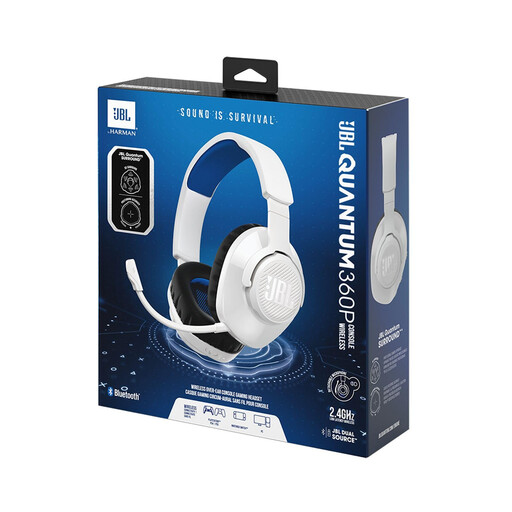
JBL Quantum 360P Wireless Over-Ear Gaming Headset, White
This over-ear headset with a boom microphone could be a good option for hands-free explanations. Before recording, check that it connects to your device’s microphone input.
The product name lists wireless connectivity, Bluetooth 5, ANC and 22 h of battery life, as well as compatibility with PlayStation, PC, Mac and Switch. These details don’t replace checking your specific recording setup.
Joybuy
 No image available
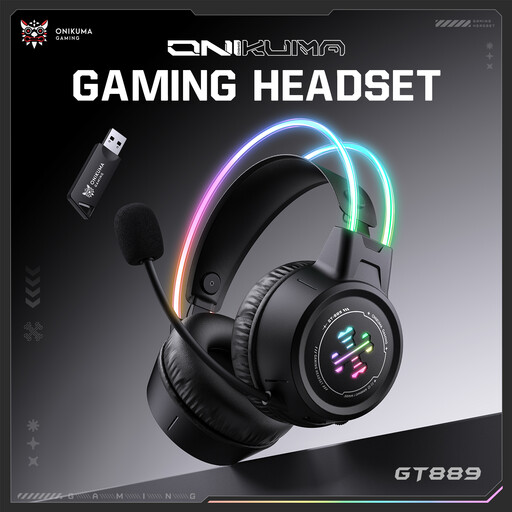
ONIKUMA GT889 Wireless Gaming Headset
This over-ear headset with a boom microphone could be suitable for hands-free speaking. Check that its connection is compatible with your recording device.
The product name lists 2.4 GHz wireless and wired modes, as well as a noise-cancelling microphone. Check which connection you’ll use for recording and whether your device supports the wireless connection you need.
Joybuy
 No image available
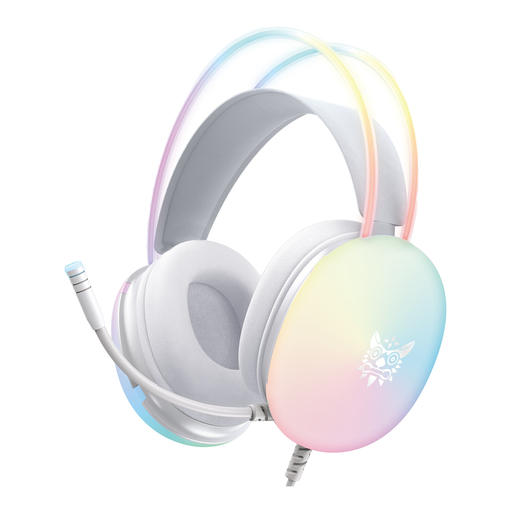
ONIKUMA X25 Wearable Gaming Earphones with Microphone
These wearable earphones with a microphone are a compact option for hands-free speaking. Check that your device’s microphone input is compatible with the connection.
The product name lists a wired 3.5 mm connection. The noise-reduction and microphone specifications don’t replace making a test recording with your own voice.
Joybuy
Frequently asked questions
How should I position the microphone when speaking emphatically?
Position it according to the instructions for the exact version, then test quiet, loud and plosive-heavy sentences. For the SM35, Shure recommends placing it beside the corner of your mouth rather than directly in front. For the HSP Essential Omni, Sennheiser specifies a distance of 2 to 3 cm beside the corner of the mouth; this guidance doesn’t necessarily apply to other models.
Can I connect any of these microphones directly to a laptop?
No. A compatible plug on its own isn’t enough: RØDE says the HS2 needs a suitable 3.5 mm microphone input with plug-in power, while Shure says the SM35-XLR needs phantom power. The BPHS2a has separate microphone and headphone connections. Check the complete signal path against your device.
Which extra equipment or cables should I check?
Check whether your setup needs a preamp, interface, transmitter and receiver, headphones or a connection cable. Shure lists an additional preamp for wired use of the SM35-TQG; according to the product description, the beyerdynamic DT 290 MK II is supplied without a connection cable.
Can I use a wireless headset microphone in Germany without an individual frequency allocation?
In Decision 37/2026, dated 15 April 2026, the German Federal Network Agency lists frequency bands and the relevant technical and operational conditions for radio microphones. Whether a specific system is covered depends on its frequency and operating conditions; this doesn’t mean that every wireless set is automatically permitted. The decision replaces, among others, Decision 109/2025.
Can I record someone else’s voice while giving my explanation?
Under Section 201(1) of the German Criminal Code (StGB), recording another person’s privately spoken words without authorisation is a criminal offence. Before making such a recording, check that you’re legally entitled to do so.


