What should you consider when choosing one?
Wired with a 3.5 mm connection
A good fit if: The recorder has a microphone input that provides the required plug-in power.
Things to consider: A similar-looking plug alone does not confirm electrical compatibility or that the required power is available.
Wired with XLR
A good fit if: You have a suitable XLR input and the connection type is right for your recording set-up.
Things to consider: The XLR version of the Shure SM35 requires phantom power for the preamp; the TQG version has a different connection.
Headset microphone with a wireless system
A good fit if: You need freedom of movement and already have a compatible transmitter and receiver.
Things to consider: The microphone and wireless system must work together. You’ll also need to check the frequency band and technical requirements.
Check the connection and power requirements first, then consider microphone position, comfort and how many voices you want to hear. A headset microphone close to one speaker is not automatically the right solution if you also need to record questions and contributions from other people clearly.
| What matters |
What to check before buying |
Who is it particularly important to? |
| Clear recording of one voice |
Check the microphone position and polar pattern; listen to a test recording made from the seat. |
If I mainly want to record the storyteller clearly, I pay attention to distance and direction. Around 31% of consumers prioritise speech clarity. |
| Connection and power |
Check the exact recorder model, microphone input, connection type and power requirements. |
If I want to keep using my existing recorder or transmitter, the connection needs to work in practice. Around 25% of consumers prioritise device compatibility. |
| Comfort during long conversations |
With the speaker’s consent, try on the headset and adjust the microphone boom; check the fit and position. |
For longer recollections, the headset should be comfortable and the microphone should stay in place. Around 19% of consumers put wearing comfort first. |
| Noise at the recording location |
Choose the recording location and make a test recording with typical room or wind noise. |
If other conversations or background noise in the club cannot be avoided completely, I want to hear how they affect the recording. Around 13% of consumers prioritise managing noise at the location. |
| Recording several voices |
Decide in advance whether the interviewer and other club members should also be recorded. |
If questions or interruptions need to remain clear alongside the storyteller’s voice, I’ll look into a suitable multi-microphone set-up. Around 12% of consumers focus on recording multiple voices. |
Joybuy products with microphones
The wired and wireless gaming headsets below have microphones. They are not described as interview microphones, so before recording, check that the connection and microphone work with your specific recorder or transmitter.
 No image available
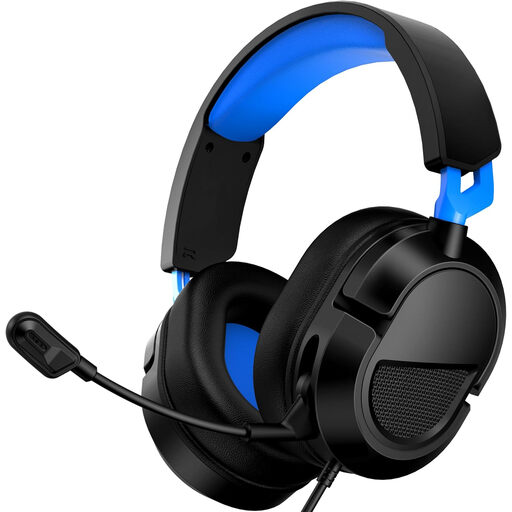
AOC wired gaming headset with microphone
An option if the storyteller is happy to wear a headset; its suitability for voice recording depends on the recorder’s input.
3.5 mm connection; 207 g; flexible 360-degree microphone boom.
View at Joybuy
 No image available
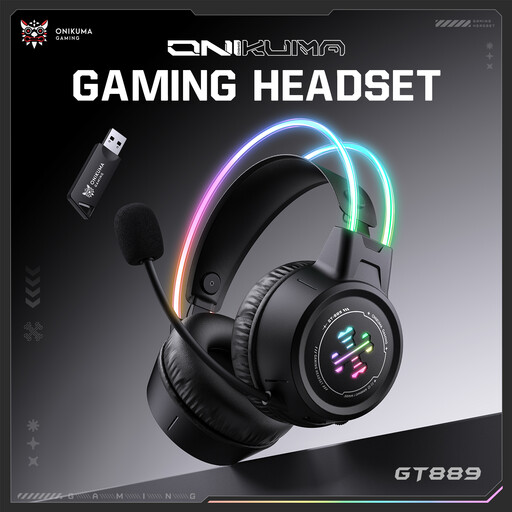
ONIKUMA GT889 wireless headset with microphone
Could be worth considering if you want a wireless option; before recording, make sure the microphone, transmitter and recorder work together as a complete set-up.
The product description lists 2.4 GHz wireless, Bluetooth 5.4 and a wired mode, as well as a detachable, flexible microphone.
View at Joybuy
 No image available
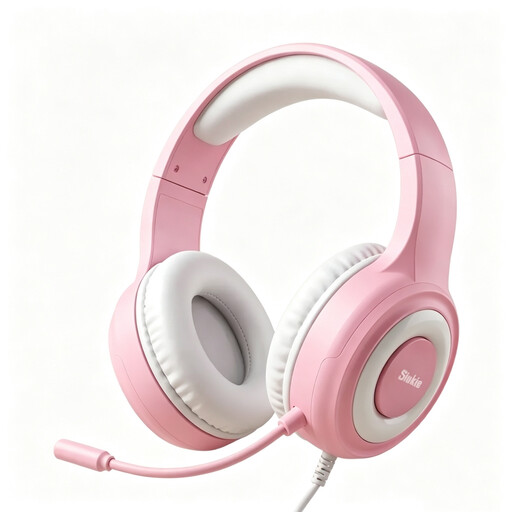
Siukie CH25 wired over-ear headset
A possible choice if the speaker is happy to wear an over-ear headset; check whether USB or 3.5 mm is compatible with the recording device.
USB and 3.5 mm connections; the product description specifies an adjustable omnidirectional microphone.
View at Joybuy
 No image available
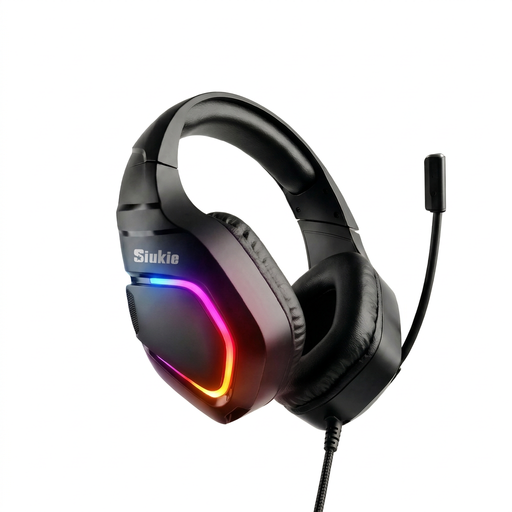
Siukie H100 wired headset with microphone
Could suit a seated speaker who is happy to wear a headset; check compatibility with the recording device beforehand.
USB and 3.5 mm connections; the product description specifies an omnidirectional microphone on an adjustable boom.
View at Joybuy
Frequently asked questions
Can I simply plug a headset microphone into my recorder’s 3.5 mm socket?
Not based on the plug size alone. The RØDE HS2 needs a microphone input that supplies plug-in power; for the Sennheiser ME 3, check that the connection and electrical requirements match your specific transmitter. Consult the manuals for both devices.
Where should the microphone boom sit, and what should I check before the conversation?
Shure recommends positioning the SM35 at the corner of the mouth rather than directly in front of it. Ask the speaker to talk normally and loudly, listen to the test recording, and check the levels, breath noise and any distracting sounds at the seat.
Do I need a wireless system for a seated storyteller?
Not necessarily. A wired connection may work well when the speaker is seated in one place; wireless is more useful if freedom of movement or cable management is a priority. With a wireless system, the microphone and transmission system need to be compatible, and the frequency version should meet the technical requirements.
Can I record a club member’s memories without discussing it with them first?
Under § 201 StGB, recording words spoken in private without authorisation is unlawful, so discuss the recording with the speaker beforehand. If consent is to be used as the legal basis under data protection law, guidance from the German Data Protection Conference says it must be freely given, informed and specific to the purpose. Explain any planned publication separately, too.
Can one headset microphone record everyone in a conversation?
A headset microphone worn by one person is not automatically suitable for a conversation with several speakers. Decide in advance whether questions and contributions from other people also need to be recorded clearly, then test everyone’s voices with your planned recording set-up.


