What should you look for when buying?
Closed-back headset with a condenser microphone
Suitable if: You want to monitor your voice through the built-in headphones and your device provides the power the microphone requires.
Keep in mind: The design alone doesn’t prove that it will sound better with a quiet voice. The power supply, cable and recording level must all be compatible with your particular setup.
Closed-back headset with a dynamic microphone
Suitable if: You want to monitor your audio in a noisy commentary position and prefer a directional dynamic microphone.
Keep in mind: If you have a quiet voice, check the microphone distance and make sure you have enough clean preamp gain. The capsule design alone doesn’t guarantee better sound or less noise.
Headworn microphone without built-in headphones
Suitable if: Freedom of movement matters more than monitoring directly through your headset, and you can use a separate monitoring solution.
Keep in mind: The microphone, connection and power supply must be compatible with your device. For wireless models, you’ll also need to consider the applicable frequency regulations.
For your specific recording setup, the main things to consider are your voice, background noise, monitoring and how the equipment connects.
| Consideration |
What to check before buying |
Who is this especially important to? |
| Level for a quiet voice |
Test the microphone position and input gain using your own voice; listen for noise and distortion while monitoring. |
If I speak quietly, I want to position the microphone consistently and find a suitable recording level. Around 33% of consumers prioritise this. |
| Stadium noise and wind |
Check the polar pattern and the wind protection included with the specific model; make a test recording in realistic noise conditions. |
At a noisy sports ground, I want to record my voice clearly without relying on the microphone’s name alone. Around 27% of consumers prioritise the noise levels where they’re recording. |
| Monitoring while recording |
Check whether you need built-in closed-back headphones and whether the headphone connection is compatible with your recording device. |
If I want to check levels and listen for interference while speaking, built-in headphones are important to me. Around 20% of consumers prioritise this direct monitoring. |
| Connection and freedom of movement |
Check the microphone and headphone connections separately; only consider plug-in power, phantom power or a bodypack transmitter if they apply to the specific model. |
If I want to move around while recording or use a device I already own, the connection needs to be compatible. Around 20% of consumers focus on device connectivity and freedom of movement. |
Related products at Joybuy
The following products include desktop microphones and headsets for voice communication. The product details alone don’t establish that they’re suitable as broadcast headsets for sports commentary. Before buying, check the connection, monitoring options and compatibility with your recording device in particular.
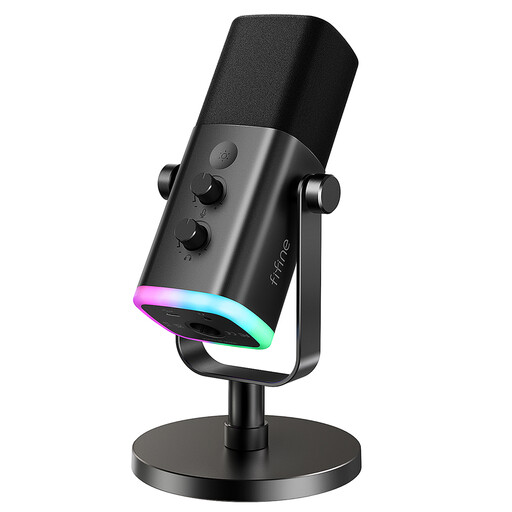 No image available
FIFINE AM8 USB/XLR dynamic microphone
This desktop microphone may be an option if you don’t need a portable headset and can position the microphone close to your voice.
USB and XLR connections; the product name also lists a headphone socket, desktop stand, RGB lighting and mute button. It’s a desktop microphone, not a headset.
Joybuy
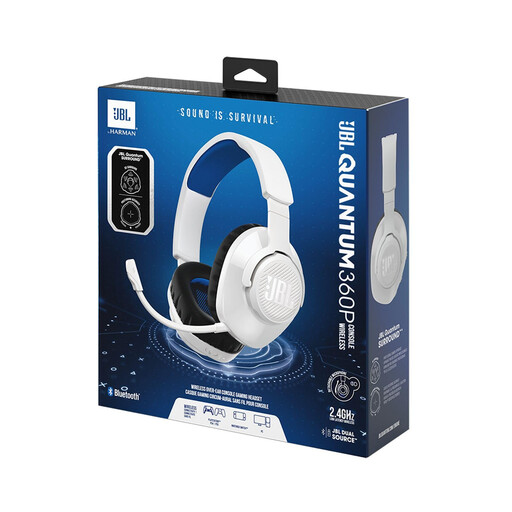 No image available
JBL Quantum 360P over-ear wireless gaming headset
A possible option if you’re considering a headset with a microphone boom and wireless connectivity; check that it connects to your specific recording device.
The product name lists Bluetooth 5, 22 hours of battery life, ANC and a detachable 3.5-mm cable. Compatible devices listed include PlayStation, PC, Mac and Switch.
Joybuy
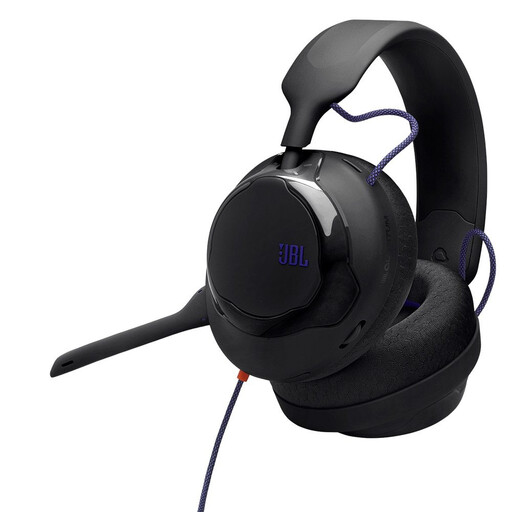 No image available
JBL Quantum 120 wired over-ear headset
May be suitable for a wired headset setup if the 3.5-mm connection is compatible with your recording device.
The product details list a detachable, unidirectional cardioid microphone, a windscreen and a 3.5-mm connection.
Joybuy
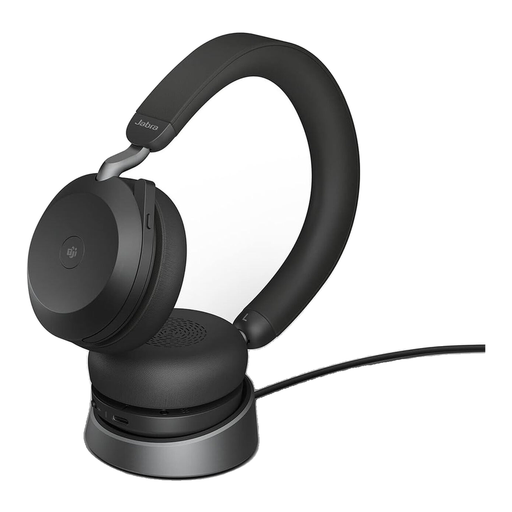 No image available
Jabra Evolve2 75 wireless PC headset
An option to consider if you’re looking for a wireless PC headset with a microphone boom; check that the included connection is compatible with your recording device.
The product name lists Bluetooth, a USB-C Bluetooth adapter, a charging stand, eight microphones and compatibility with Microsoft systems.
Joybuy
 No image available
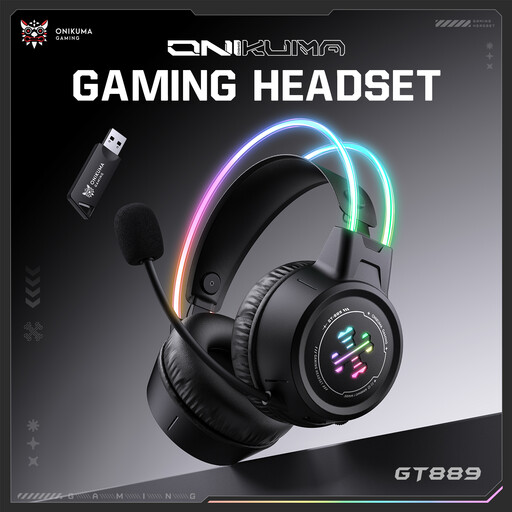
ONIKUMA GT889 wireless headset
May be worth considering for voice communication with several connection options; check compatibility with your recording device and the range you plan to move around in.
The product name lists a detachable microphone, 2.4-GHz wireless, Bluetooth and wired use. It also lists 50-mm drivers and surround sound.
Joybuy
Frequently asked questions
How do I set the level for a quiet voice?
Keep the microphone boom at a consistent distance, close to your voice. Start with a low input gain and increase it gradually while monitoring. In its general XLR recording guide, RØDE recommends avoiding distortion and keeping peaks at around −12 to −6 dB. This is the manufacturer’s recommendation, not a level required for every device.
Does every headset need phantom power?
No. The power required depends on the specific microphone model. Audio-Technica specifies 11–52 V phantom power for the BPHS2Ca; Shure says the dynamic WH20 doesn’t need it. The RØDE HS2 is designed for a compatible 3.5-mm microphone input with plug-in power.
What accessories should I check before buying?
Check whether the cable, compatible connection and, if needed, separate monitoring headphones are included in your setup. beyerdynamic lists the DT 297 as supplied without a connection cable; Sennheiser also notes that a cable isn’t included with the HMD 26. Make sure the version you need is compatible with your recorder.
Can I use any wireless microphone frequency in Germany?
No. In its general frequency allocation from April 2026, the Bundesnetzagentur lists permitted frequency bands along with technical and operational conditions; the SRD general allocation provides further options. Whether a particular set can be used without an individual allocation depends on its frequency range and the conditions of use.
What if the recording also picks up conversations between other people?
Section 201 of the German Criminal Code (StGB) relates in particular to the unauthorised recording of another person’s private speech. Whether a particular interview or side conversation falls within its scope depends on the circumstances; recording your own voice is a separate matter.


