What to look for when choosing
First, check that the headband and cable routing will work for a full monologue. Then make sure the microphone, power supply and recording device are compatible. Only after that, decide whether you need integrated headphones or the extra freedom of a wireless system.
| What matters |
What to look for when buying |
Who this matters most to |
| Comfort during long takes |
You should be able to adjust the headband and microphone boom to fit. Try it out with the movements you plan to make. |
If I’m performing a monologue with movement, I need a comfortable fit and a microphone position that moves with me. Around 27% of consumers put comfort during long takes first. |
| Connection and power supply |
Check the exact model variant against your device’s input and power requirements. A compatible connector alone doesn’t guarantee a working signal path. |
If I want to keep using my recorder, the microphone needs to work with its input and power supply. Around 27% of consumers prioritise a compatible connection and signal path for their existing equipment. |
| Quiet and loud passages |
Test the quietest and loudest parts in the room you plan to use and check the recording level. The polar pattern alone won’t determine the result. |
If my audition piece moves between quiet speech and louder passages, I want to check both in a test recording. Around 20% of consumers prioritise microphones that can handle varying speaking levels. |
| Freedom of movement |
Check whether the cable restricts your movements on stage. With wireless, make sure the system, power supply and applicable frequency requirements are all compatible. |
If I need to move around the stage, I don’t want an awkward cable to disrupt my performance. Around 13% of consumers prioritise freedom of movement. |
| Monitoring while recording |
Check that your device has a suitable headphone output and that the headset’s microphone and headphone connections are compatible with it. |
If I want to monitor my performance during a take, I need a usable monitoring setup and must consider whether the earpieces will be visible on camera. Around 13% of consumers prioritise being able to monitor their performance as they record. |
Joybuy products
The following Joybuy products are wireless communication headsets with microphones. Before using one to record a theatre performance, check that its connection and signal path work with your recording device.
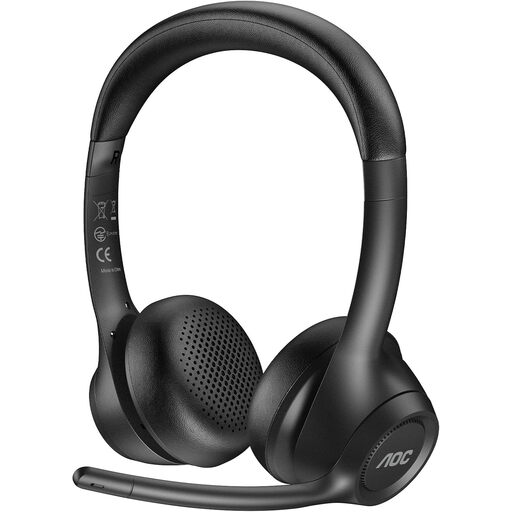 No image available
AOC wireless headset with microphone, ENC
This could be a suitable option if you’re looking for a wireless communication headset with a microphone. Before buying, check that its connection works with your recording device.
View at Joybuy
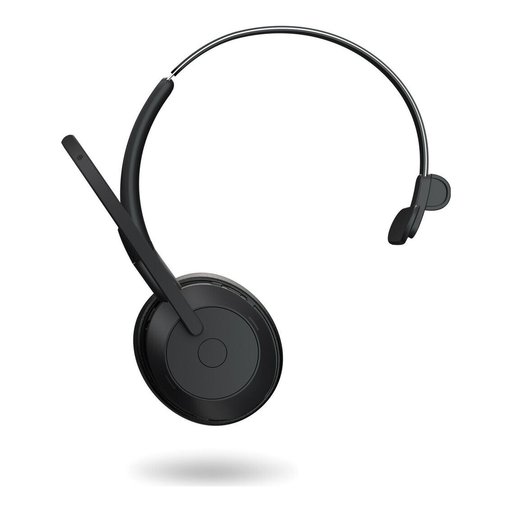 No image available
Jabra Evolve2 55 Mono wireless headset, black
This wireless mono headset with microphone could suit you if you want to monitor your recording through a single earpiece. Check that the signal path works with your recording device.
View at Joybuy
Frequently asked questions
Can I connect a headworn microphone directly to my recorder or computer?
Don’t choose based on the connector shape alone. RØDE specifies that the HS2 needs a compatible 3.5-mm microphone input with plug-in power. Shure says the wired SM35-TQG needs an additional preamp, while the SM35-XLR has one integrated. Before buying, check the complete input path on your device against the model variant.
What should I test before a long take?
Do a full rehearsal using the movements you plan to make, and include both quiet and loud passages. Check the fit and position of the headband, the cable routing or wireless connection, and the recording level. Manufacturer specifications are no substitute for testing in the room you plan to use.
What extra equipment might I need for my recording setup?
Depending on the model and device, you may need a preamp, power adapter, interface or components for a wireless system. For wired use of the SM35-TQG, Shure specifies the additional RPM626. The HS2 requires a compatible 3.5-mm microphone input with plug-in power, according to RØDE. Check the specific variant and the complete signal path.
Can I use a wireless headset on any frequency in Germany?
No, you can’t choose any frequency you like. The Bundesnetzagentur’s general allocation for wireless microphones applies to specific frequency bands and operating conditions. It also lists options for use under the SRD allocation. For a specific wireless variant, check the current requirements against its frequency and device details.
What rights do I have when buying online?
For online purchases from a business seller, you generally have a 14-day cancellation period starting from delivery, although exceptions may apply. The Verbraucherzentrale also distinguishes between your statutory rights and a voluntary guarantee. Which rules apply in a particular case depends, among other things, on the type of purchase and the circumstances.


