Who is this selection for?

Hosts recording long takes

If you’ll be speaking for an extended period while monitoring the recording, fit, padding and microphone position are important things to consider. Audio-Technica lists replaceable earpads for the BPHS1, while RØDE describes the NTH-100M as having removable earpads and an adjustable headband.

Group discussions with several speakers

If several people will be speaking, consider the number of microphone inputs you’ll need and how you want to separate the voices, as well as the headsets themselves. Shure recommends an audio interface with multiple XLR inputs for multi-microphone recordings.

Recording with equipment you already own

If you want to connect a headset to a laptop, recorder or mixing desk, check the microphone and headphone connections separately, as well as whether additional power is required. RØDE specifies that the NTH-100M microphone needs a suitable adapter with plug-in power when connected to an XLR input.

What should you consider when buying?

Complete headset with TRRS connection

Suitable if: you want to wear headphones and a microphone together, and your device supports the required microphone input.

Bear in mind: The RØDE NTH-100M comes with a splitter to separate the signals for compatible inputs. An adapter with plug-in power is required for the microphone when using XLR.

Broadcast headset with separate connections

Suitable if: your recording equipment and monitoring setup have compatible separate connections.

Bear in mind: According to the manufacturer, the Audio-Technica BPHS1 has an XLR microphone plug and a 6.3 mm headphone plug; it is not a USB headset for direct connection.

Wired gaming headset

Suitable if: the connections you have are compatible and you’re looking for a complete headset with replaceable parts.

Bear in mind: The beyerdynamic MMX 300 PRO’s gaming credentials don’t prove that it is better suited to book discussions. Test its voice recording and monitoring with a rehearsal.

Separate head-worn microphone

Suitable if: you already have a separate monitoring setup and mainly need a microphone worn on your head.

Bear in mind: The Shure SM35 does not include headphones. The connection and any preamp requirements depend on the version you choose.

Buying priority What to look for Who is it most relevant to?
Comfort during long takes Try the fit and check how warm the headset gets during a rehearsal of the planned length; look for replaceable earpads if needed. If I need to wear a headset for a long take, I want to try the fit and earpads for myself beforehand. Around 31% of consumers prioritise comfort during long takes.
Clear voice recording Adjust the microphone distance and listen back to an unedited rehearsal with both quiet and loud sections. If I want my voice to remain clear when I move my head, I’ll check the microphone position and background noise during a rehearsal. Around 25% of consumers put recorded voice clarity first.
Connections and monitoring Check the microphone and headphone plugs, as well as any power requirements, against the equipment you plan to use. If I want to keep using my existing recording equipment, I need to know that both recording and monitoring will work. Around 25% of consumers prioritise compatible connections and signal paths.
Multiple voices and tracks Decide how many people will be speaking and how many microphone inputs you need; check that your hardware, drivers and software support simultaneous channels. If each person needs their own microphone or separate track, I’ll plan the entire setup rather than just choosing a headset. Around 19% of consumers focus on recording multiple people.

Common misconceptions

  • Checking only that the headphone plug fits your recording equipment

    A working headphone connection doesn’t confirm that the microphone will record too. Depending on the model, you may need separate connections or an additional power supply.

    Before you buy, trace the complete route from the microphone to the input, and from the output to the headphones.

    Depending on your setup, you may also need a splitter, a suitable microphone adapter or an audio interface.

  • Assuming one headset is a complete multi-person setup

    If you want to record several voices at once and edit them separately, your recording hardware, drivers and software must also support the channels you need.

    First decide how many people will be speaking and how many tracks you want, then choose your connections and recording equipment.

    For several speakers, you may need additional microphones or headsets, as well as an interface with enough inputs.

  • Confusing a head-worn microphone with a complete headset

    The Shure SM35 is a wearable microphone, but it doesn’t include headphones. On its own, it won’t let you monitor the recording during a discussion.

    Check the exact version and arrange a separate monitoring setup if you want to listen to the recording while you talk.

    Depending on the SM35 version, you may need separate headphones and additional connection equipment.

  • Assuming a cable is included with similarly named broadcast models

    Sennheiser marks the HMD 26-II-600S as no longer available to buy. According to the manufacturer, no cable is included with the HMD 26, article number 700318.

    Check the article number, cable version and what’s included, rather than relying on the product family name alone.

    You’ll need to budget separately for a compatible connection cable for the HMD 26 with article number 700318.

Key brands at a glance

Audio-Technica

The BPHS1 is a broadcast headset for speaking while monitoring at the same time.

  • Audio-Technica lists closed-back, over-ear headphones, a dynamic cardioid microphone, and replaceable cables and earpads.
  • With the documented cable, the microphone and headphone connections end in separate XLR and 6.3 mm plugs. Check your equipment’s connections beforehand.

RØDE

The NTH-100M combines headphones with a removable microphone and is marketed for podcasting and other media applications.

  • RØDE lists removable earpads and an adjustable headband. These are manufacturer claims, not the findings of an independent comfort test.
  • RØDE describes a splitter for separating the signals. According to RØDE, a suitable adapter with plug-in power is required for an XLR microphone input.

beyerdynamic

The wired, closed-back MMX 300 PRO is a gaming headset that may be worth considering if you have compatible analogue connections.

  • beyerdynamic lists a condenser microphone with a cardioid pickup pattern, as well as replaceable earpads, headband and cable.
  • Its gaming credentials don’t prove that this model outperforms broadcast headsets for recording discussions.

Sennheiser

The HMD 26 with article number 700318 is a broadcast model with closed-back on-ear monitoring.

  • Sennheiser lists a dynamic supercardioid microphone and modular cable options.
  • According to the manufacturer, no cable is included with the documented product. The older HMD 26-II-600S is marked as no longer available to buy.

Shure

The SM35 is a head-worn microphone for setups with separate monitoring.

  • Shure lists versions with TQG or XLR connections.
  • The SM35 doesn’t include headphones; for wired use, Shure specifies that additional preamp gain is required.

Joybuy product selection

This selection features over-ear headsets with built-in microphones, including wired and wireless models. Before a longer recording, check that both the microphone and monitoring audio work at the same time through the connection you plan to use.
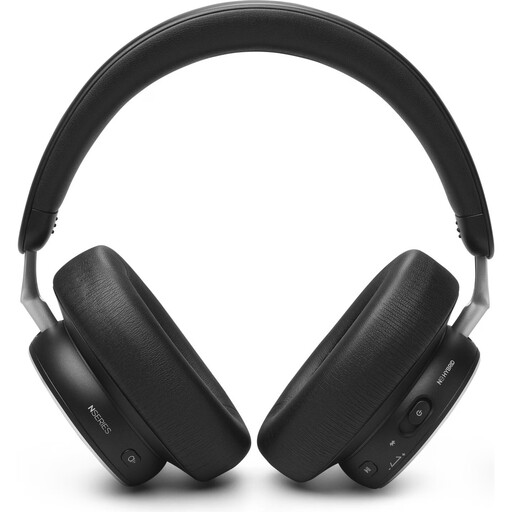
AKG N9 Hybrid over-ear headphones, black

AKG N9 Hybrid, over-ear, black

This model may suit discussions where you’ll be monitoring at the same time, provided its microphone and headphone connections work with your recording equipment. Test both before a longer recording.

The product description lists a built-in microphone with HFP support, Bluetooth 5.3 and a wired 3.5 mm option.

The stated battery life is 55 hours.

View at Joybuy
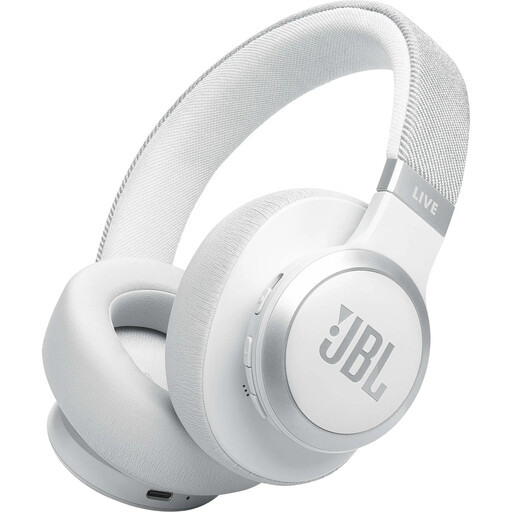
JBL LIVE 770NC wireless over-ear headphones, white

JBL LIVE 770NC, white

If you’re considering an over-ear model for talking and monitoring, check beforehand whether the microphone works through the connection you intend to use for recording.

The product description lists Bluetooth 5.3, a detachable audio cable for wired listening and two microphones for hands-free calls.

Other listed features include soft earpads and a lightweight over-ear design.

View at Joybuy
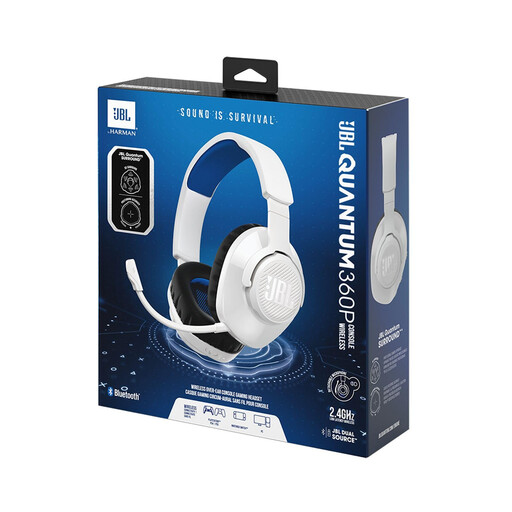
JBL Quantum 360P over-ear gaming headset, white

JBL Quantum 360P, white

This gaming headset may suit you if you’re looking for a boom microphone. Check which microphone features are available with each connection on your recording equipment.

The product description lists a flip-up microphone with mute function, Bluetooth 5 and a detachable 3.5 mm cable.

The stated battery life is up to 22 hours.

View at Joybuy
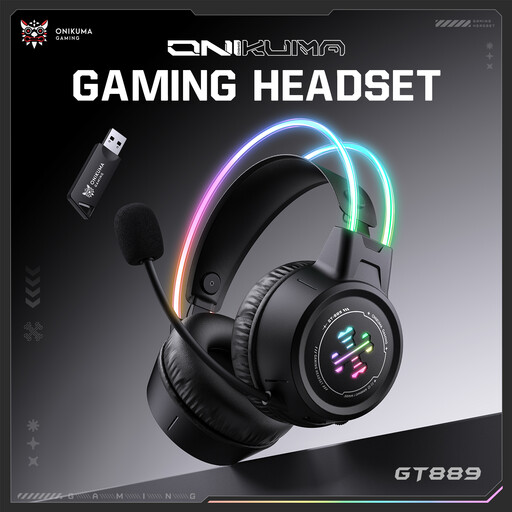
ONIKUMA GT889 wireless gaming headset with detachable microphone

ONIKUMA GT889 wireless gaming headset

If you’re looking for a headset with a detachable microphone, check beforehand that it can connect to your recording equipment and that the microphone remains active when it does.

The product description lists a flexible, detachable microphone, 2.4 GHz wireless, Bluetooth 5.4 and a wired mode.

Soft earpads and a lightweight frame are also listed in the product description.

View at Joybuy
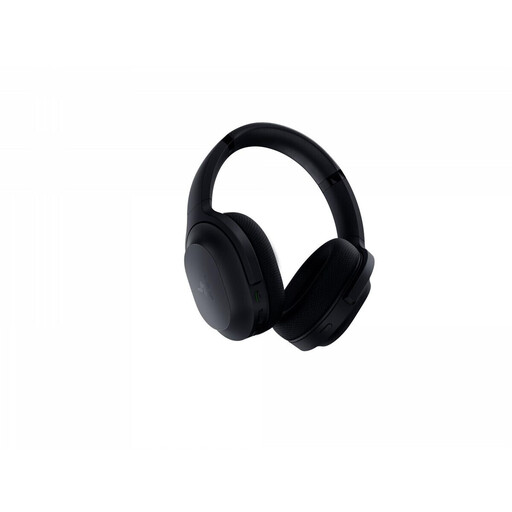
Razer Barracuda wireless multiplatform headset, black

Razer Barracuda Wireless Multiplatform Headset, black

For a longer discussion, try the fit and microphone recording during a rehearsal, and choose a connection that lets the microphone work with your recording equipment.

The product description lists built-in beamforming microphones, Razer HyperSpeed Wireless and Bluetooth.

The stated battery life is up to 40 hours; memory foam earpads are also listed.

View at Joybuy

Frequently asked questions

Can I record two or more voices separately with one headset?

A single headset won’t automatically provide separate signals for everyone speaking. If each voice needs its own track, check how many microphone inputs you need and whether your hardware, drivers and software support simultaneous channels.

How do I connect a headset to a mixing desk?

It depends on the model. Audio-Technica specifies XLR for the microphone and 6.3 mm for the headphones on the BPHS1. RØDE describes a splitter for separate 3.5 mm signals on the NTH-100M; according to RØDE, a suitable adapter with plug-in power is required to connect the microphone to XLR.

What should I check before and after a long take?

Check the fit, microphone position and both signal paths with a rehearsal of the planned length. Audio-Technica lists replaceable earpads and cables for the BPHS1; beyerdynamic lists replaceable earpads, headband and cable for the MMX 300 PRO.

What additional equipment might I need?

Depending on your headset and recording equipment, you may need an interface with enough inputs, a suitable splitter or adapter, and replacement earpads. According to the manufacturer, a cable is not included with the Sennheiser HMD 26, article number 700318.

Can I simply record the other participants in Germany and publish the discussion?

Under § 201 of the German Criminal Code (StGB), recording another person’s non-public spoken words without authorisation is a criminal offence. Get the participants’ agreement to the recording and any planned publication beforehand. When processing personal data, you must also have a lawful basis under Article 6 of the GDPR. Whether a particular conversation is non-public, and which data protection legal basis applies in a specific case, cannot be determined simply by the equipment you choose.