What to look for when buying
For seated dialect interviews, start by considering the room and the recording signal. Then check the connection and headset fit to decide which type is right for your needs.
| What matters when buying |
What to check |
Who this matters most to |
| Speech details and positioning |
How the headband fits and is aligned; position the microphone at the side of the mouth and make a test recording with the speaker’s voice. |
If I want to analyse speech features, I need consistent microphone positioning and want to listen to a test recording first; around 33% of consumers put speech detail first. |
| Ambient noise |
Check whether the specific model has an omnidirectional or cardioid pattern; test it in the actual recording location. |
In a noticeably noisy room, I want to separate the speaker’s voice from ambient noise more effectively; around 27% of consumers prioritise controlling room noise. |
| Connection and signal chain |
Match the plug to the input. For condenser microphones, also check the required power supply; for wireless systems, check the transmitter, receiver and frequency band. |
If I want to use my existing recording device, the entire signal chain needs to be compatible; for around 27% of consumers, the right connection is the most important buying consideration. |
| Fit during longer interviews |
Check headband adjustment, cable pull and space for glasses; if needed, plan a separate way to monitor the audio. |
For longer conversations, I want the headset to be comfortable and not distract the interviewee; around 13% of consumers put comfort first. |
Related Joybuy products
The following Joybuy options are head-worn devices with microphones. For dialect recordings, make a test recording to check that the sound and signal chain suit your needs.
 No image available
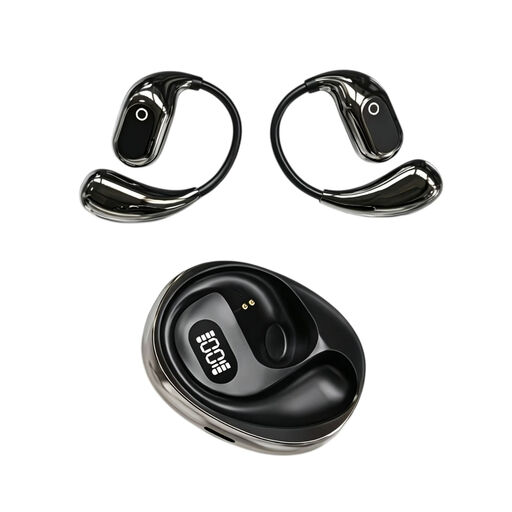
OWS on-ear headphones with condenser microphone and recording function
If you’re looking for a head-worn device with built-in recording, this type is worth considering. Make a test recording to check whether it captures subtle dialect features as needed.
On-ear headphones with a built-in condenser microphone and on-device recording; binaural mode and charging case with USB-C.
View at Joybuy
 No image available
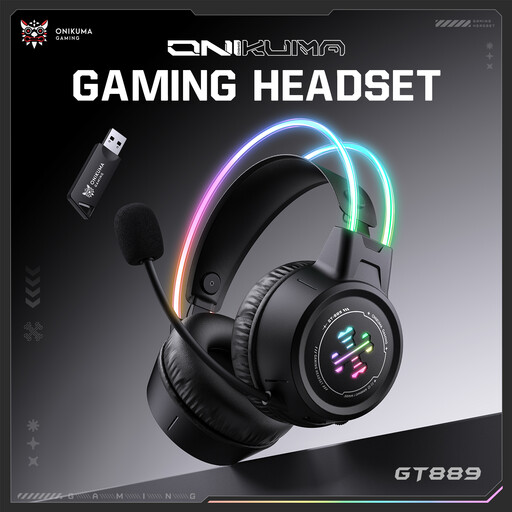
ONIKUMA GT889
If you’re looking for a headset with a detachable microphone and several connection options, test it with your speaker’s voice and the device you plan to use.
2.4 GHz wireless, Bluetooth 5.4 and wired connection; detachable microphone.
View at Joybuy
 No image available
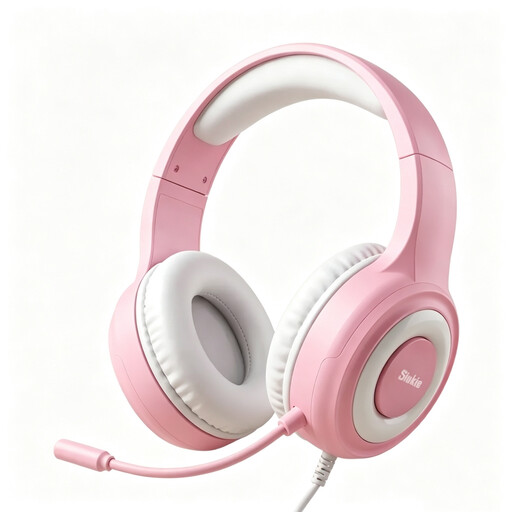
Siukie CH25
If you’re considering a wired over-ear headset with a microphone, check that the connection matches your recording device and listen to a test recording.
USB and 3.5 mm connections; microphone with unidirectional pickup.
View at Joybuy
 No image available
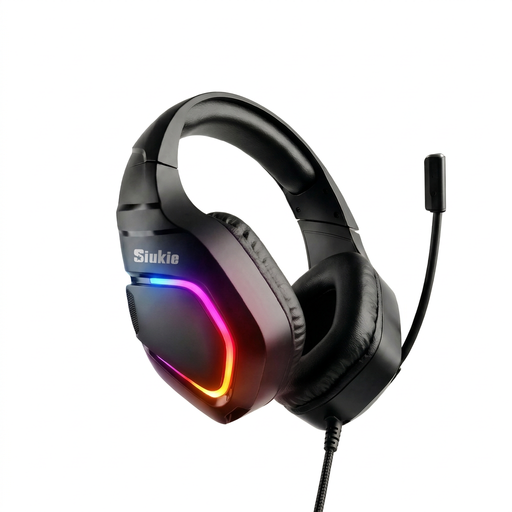
Siukie H100
If you want an adjustable microphone boom, check its position by your mouth and test the recording in the room where the interview will take place.
USB and 3.5 mm connections; adjustable microphone boom with an omnidirectional microphone.
In a noisy room, an omnidirectional pattern may reject less ambient noise than a cardioid pattern.
View at Joybuy
Frequently asked questions
Where should the microphone capsule sit before the interview?
Position it at the side of the mouth rather than directly in front, then make a short test recording. For the WH20, Shure specifies a distance of no more than 25 mm from the right corner of the mouth; this figure applies to that model and isn’t a general recommendation for other microphones.
Does an XLR head-worn microphone always need phantom power?
No. Shure describes the WH20XLR as a dynamic microphone, while its XLR version of the SM35 condenser microphone requires 12 to 52 V phantom power. Always check the exact version and microphone input.
Can I record a conversation in Germany without the other person knowing?
For a non-public conversation, secretly recording another person’s non-public speech is a criminal offence under § 201 StGB. Check that you’re allowed to record before you start. If personal data is processed, you must also identify an appropriate legal basis under the GDPR; which basis applies will depend on the specific project.
Can I use a wireless headset microphone in Germany without registering it?
This depends on the frequency band and the applicable conditions. The Bundesnetzagentur allows use under relevant general frequency assignments without registration or fees, provided their conditions are met; other uses may require an individual assignment. Check the exact frequency band and device variant against the current assignment.
What extra equipment should I allow for before buying?
Check whether you need a compatible recorder input, preamp or adapter, and whether a wireless system requires a transmitter and receiver. For a USB headset, the exact connection type and a test recording on the computer you’ll use are important checks.


