Family history storytellers
If one person is telling a long story hands-free, a microphone worn close to the mouth can help keep the distance from their voice consistent.


For long recordings of one person telling stories, a properly connected headworn microphone can help keep the distance from the microphone consistent. If you also want to hear the rest of the group, a single headset worn by one person won’t be enough; plan for an additional room recording or position a microphone elsewhere. Test the entire recording setup before your long take, and make sure everyone involved has given their consent beforehand.
If one person is telling a long story hands-free, a microphone worn close to the mouth can help keep the distance from their voice consistent.
If you want to capture spontaneous replies from different family members, consider an additional room recording or a different microphone position alongside a headset for one person.
If you’re following a storyteller between rooms, plan the microphone, transmitter, receiver and recording device as one complete setup.
First, decide whether you mainly want to record one voice or a conversation with speakers taking turns. Then check that the connection, power supply and recording device are suitable for your planned take.
| What matters | What to check before buying | Who is this important to? |
|---|---|---|
| Voices around the table | If several people will be speaking, plan and test an additional recording or a suitable recorder. | If I want to preserve replies from the group, I make sure I can hear more than just the person wearing the headset. Around 31% of consumers prioritise recording multiple voices. |
| Comfort during long takes | Check the fit, adjustability and cable routing during a longer test recording. | If someone is telling a long story, the headset should feel comfortable and the microphone boom should stay in place as they move their head. Around 25% of consumers are most concerned with comfort during extended wear. |
| Connection and uninterrupted recording | Check the exact model variant, input and microphone power requirements; test the power and storage with a practice take. | If I don’t want to interrupt a long take because of an unsuitable connection or recording setup, I check the entire chain of devices. Around 25% of consumers prioritise connectivity and recording reliability. |
| Freedom of movement | For wireless setups, check that the kit is compatible and that you meet the current requirements for the specific frequency band in Germany. | If I want the storyteller to be able to move between rooms during a recording, a suitable wireless connection without a microphone cable matters to me. Around 19% of consumers prioritise freedom of movement. |
A worn microphone stays close to the wearer’s mouth, so other family members may sound quieter in comparison.
Before choosing, decide whether the main voice or the changing conversation is your priority. If needed, plan for an additional way to record.
You may need an additional recording or another take to capture anything that was missed.
Different headset variants may need different inputs, power supplies or system components. A plug that looks similar does not, on its own, prove compatibility.
Check the full model variant against the input and requirements of your recording device.
Depending on the model, you may need a power module, preamp, audio interface or compatible wireless components.
A recording also depends on the power supply, storage and recording function of the device you’re using.
Make a practice recording with the same devices and settings, then check the saved file.
An interrupted or unsaved take could mean losing important contributions to the conversation.
In April 2026, the Federal Network Agency published Decision 37/2026. It replaces previous allocations, including Decision 109/2025.
If you’re using a wireless microphone, check the current allocation and its conditions for the frequency band used by the specific variant.
The HS2 is a lightweight headworn microphone for one person telling a story hands-free, when connected to a compatible recording device.
The PRO8HEx is a wired XLR variant; the PRO8HEcW and PRO8HEcH have different connections for specified wireless systems.
The SM35 is designed for use with a compatible bodypack transmitter.
The ME 3 is designed for specified EW-D and XSW-D wireless systems when the speaker needs to move around.
The H390 is a computer headset for someone sitting down to tell a story and managing recording and playback on a PC.
The Joybuy models below are headsets with boom microphones for one person telling a story. Before buying, check that the connection and recording device suit your planned setup.
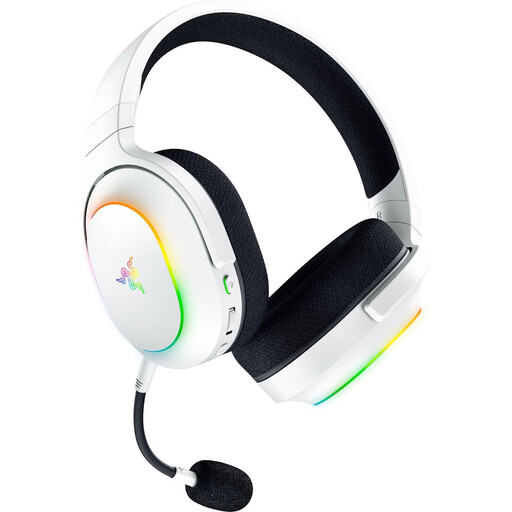 No image available
The detachable microphone may be useful for recording the wearer’s voice; test the connection with your recording device.
2.4-GHz wireless and Bluetooth 5.3; detachable HyperClear cardioid microphone; battery life stated in the product name: up to 70 hours.
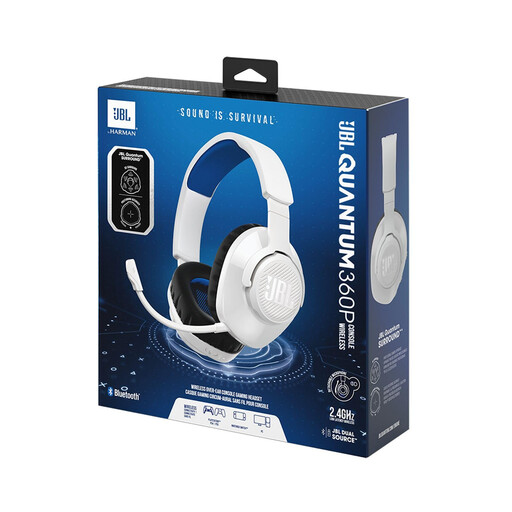 No image available
The boom microphone is worn as part of the headset; you may need an additional way to record a group conversation.
Bluetooth 5; flip-up directional microphone; battery life stated in the product name: 22 hours.
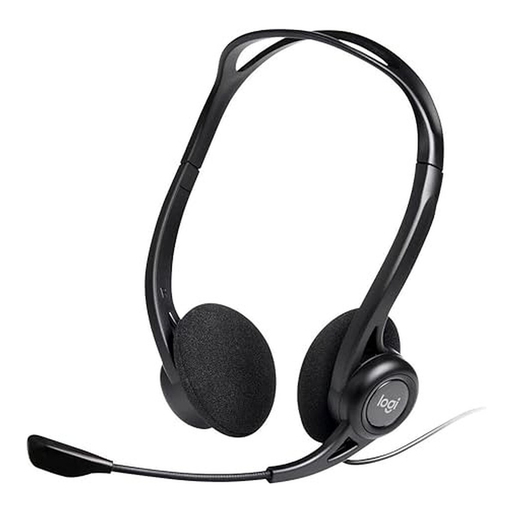 No image available
The adjustable boom microphone and USB connection may suit a seated story recording on a compatible computer.
Wired USB connection; 2.4-m cable; noise-reducing microphone.
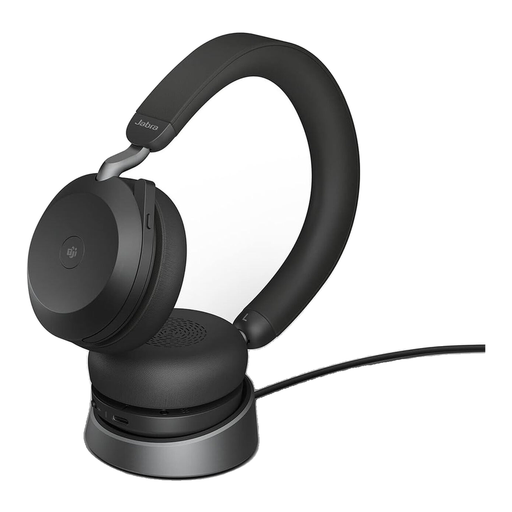 No image available
The boom microphone and stated PC compatibility may suit a seated story recording on a computer; check your recording setup beforehand.
Bluetooth 5.2 and USB-C connection; charging dock stated in the product name; 8-microphone technology.
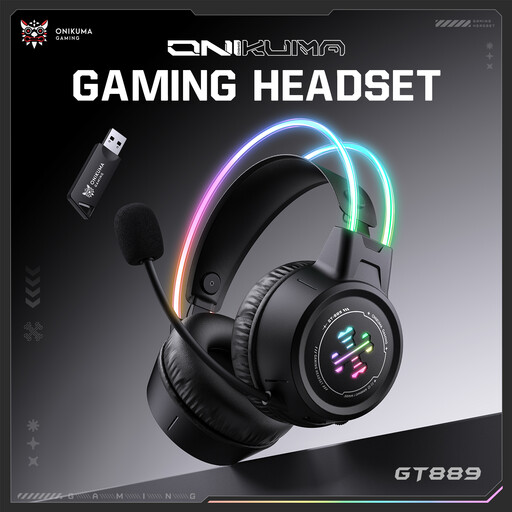 No image available
The flexible, detachable microphone may suit one person telling a story; test the connection with your recording device.
According to the product name, supports 2.4-GHz wireless and wired use; detachable microphone.
Not reliably as the only solution if you want everyone to be heard at a similar level: a worn microphone stays close to one person’s mouth. If replies from the group matter, test an additional room recording or position a microphone elsewhere.
Adjust the fit and microphone boom, positioning the microphone close to the mouth but slightly to one side. Route the cable so head movements don’t tug on it. Then make a short test recording with the people who’ll actually be speaking and play it back.
It depends on your complete recording setup. For wired use of the Shure SM35, the manufacturer specifies an optional RPM626 preamp; a wireless setup needs compatible system components. Also check the power supply and storage on the specific recorder you’re using.
Having a private purpose does not automatically mean you can record other people’s non-public words without their consent. The Research Services of the German Bundestag discuss the protection of personal privacy and confidential communications under the relevant provisions of the German Criminal Code; the North Rhine-Westphalia judiciary has also documented a ruling concerning a conversation recording. Get consent before you start, and bear in mind that the legal position depends on the circumstances.
No. Check the frequency band and technical conditions of the current German allocation for the specific wireless microphone. In April 2026, the Federal Network Agency published Decision 37/2026, which repealed and replaced the earlier Decision 109/2025, among others. Without details of the specific device and frequency variant, it isn’t possible to confirm whether use is permitted.