For long interviews where one seated person does most of the talking, an adjustable headband microphone is a good fit, provided its connection and power requirements match your recording device. If you also want questions and reactions to come through clearly, plan a second recording channel. Wireless systems can give you more freedom to move, but you’ll need a compatible transmitter and receiver, and should also check battery life and frequency requirements.
Who is a headband microphone right for?
People recording long reminiscence interviews
When someone is talking for a long time, a comfortable, adjustable headband and a microphone that stays in place throughout the conversation matter most. Some models from RØDE, Audio-Technica and AKG feature adjustable headbands or microphone booms; check the fit before starting a long recording.
People recording lively two-person conversations
If you want to capture questions and reactions as well as the story, check that both voices come through in a test recording and plan a second recording channel. The Oral History Association also recommends choosing a quiet interview location with as few distractions as possible.
People who already own audio equipment
If you already have a recorder, interface or wireless system, check the exact microphone model, connection and power requirements against the capabilities of your existing device. Models from RØDE, Audio-Technica, AKG, Shure and Sennheiser differ in their connections and system compatibility.
What should you look for when buying?
First decide whether you want to record just the person telling the story or the whole conversation. Then check the connection and power requirements, and try the fit at your intended recording location.
| What matters |
What to check before buying |
Who is it important to? |
| Fit and microphone position |
Check the headband fit, which side it can be worn on and how the cable is routed; assess the fit during a longer test conversation. |
If I’m recording long stories, the headband needs to be comfortable and the microphone must stay in position. This is a priority for around 31% of consumers who value wearing comfort most. |
| Connection and power |
Check the exact model, plug, microphone input and power requirements against your recording device. |
If I want to keep using my existing recording device, the connection and power requirements need to match. Around 25% of consumers say device compatibility matters most to them. |
| Clarity at the interview location |
Listen to a short recording made at the actual location; check the microphone position and background noise too. |
If there’s background conversation at the class reunion, I still want to record the storyteller clearly. This is a priority for around 25% of consumers. |
| Both voices in the conversation |
Decide in advance whether you want to record just the story or the questions too; listen to both voices in a test recording. |
If the questions and reactions are part of the memory, I need a recording channel for the interviewer. Around 19% of consumers say capturing both voices matters most to them. |
Common buying and recording mistakes
-
Assuming similarly named models are interchangeable
Models with similar names can have different connections and requirements. For example, the Shure SM35 is available in TQG and XLR versions, while Audio-Technica offers the PRO8HEx as well as the wireless PRO8HEcW and PRO8HEcH versions.
Check the full model name against the input and power supply of your recording device. For wired use of the SM35-TQG, Shure also lists the optional RPM626 preamp.
-
Expecting one headband microphone to capture the whole conversation
A microphone worn by the storyteller won’t automatically capture questions and reactions reliably too.
Decide in advance which voices you want to keep, then check in a test recording that both people can be heard clearly.
-
Assuming the polar pattern will guarantee a quiet recording
A cardioid or hypercardioid polar pattern won’t guarantee that background conversations at a class reunion are inaudible. The Oral History Association recommends choosing as quiet an interview location as possible.
Test the microphone position and recording location before the long take, then listen to the test recording with both normal and quiet passages.
Key brands at a glance
RØDE
The HS2 is a standalone headband microphone for a compatible 3.5 mm microphone input with plug-in power, or an explicitly compatible transmitter.
- RØDE lists a low-profile, adjustable headband, an omnidirectional polar pattern, and wind and pop protection for the HS2.
- The plug alone doesn’t confirm compatibility or the right power supply, and an omnidirectional polar pattern is no substitute for a quiet recording location.
Audio-Technica
The PRO8HEx is a wired XLR model for a suitable recording device; the PRO8HEcW and PRO8HEcH are wireless versions with different connections.
- Audio-Technica lists a microphone boom that can be worn on either side and a hypercardioid polar pattern for the PRO8HEx.
- The PRO8HEx isn’t a complete headset that connects directly via USB; you’ll need a suitable XLR recording setup.
AKG
The C520 is a wired XLR condenser model, while the C520 L is designed for certain bodypack transmitters.
- AKG lists an adjustable headband, a cardioid polar pattern and moisture protection for the C520.
- The specified 9 to 52 V power supply must be compatible with your recording device.
Shure
The SM35 is available in a TQG version for Shure bodypack transmitters and an XLR version with a preamp, among other options.
- Shure describes the cardioid polar pattern as helping to reduce unwanted background noise.
- For wired use of the TQG version, Shure also lists the optional RPM626 preamp. The two versions aren’t interchangeable.
Sennheiser
The ME 3 is designed for the EW-D and XSW wireless systems specified by the manufacturer.
- Sennheiser lists a cardioid polar pattern and a 3.5 mm connection.
- A 3.5 mm connection alone doesn’t mean it will work with any recorder or transmitter; compatibility with the system is what matters.
Headsets at Joybuy
The Joybuy products below are over-ear headsets with a boom or headband microphone, including both wireless and wired models. Before an interview, check that the connection works with your recording device and decide how you’ll capture the second voice.
 No image available
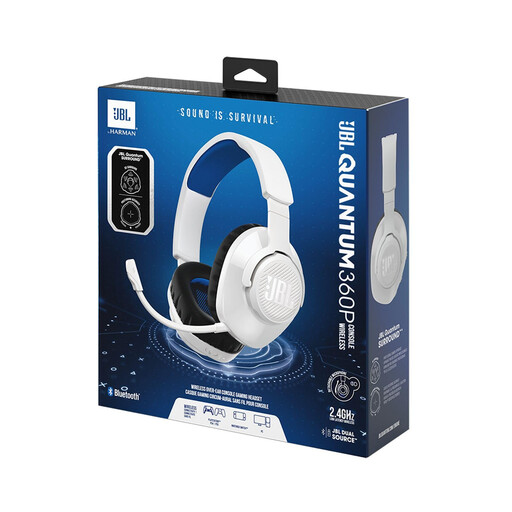
JBL Quantum 360P wireless over-ear gaming headset, White
The boom microphone is designed for voice communication. For an interview where you need to hear both voices, plan a second recording channel as well.
JBL lists Bluetooth 5, a detachable 3.5 mm cable, ANC and 22 hours of battery life. The listed platforms are PlayStation, PC, Mac and Switch.
View at Joybuy
 No image available
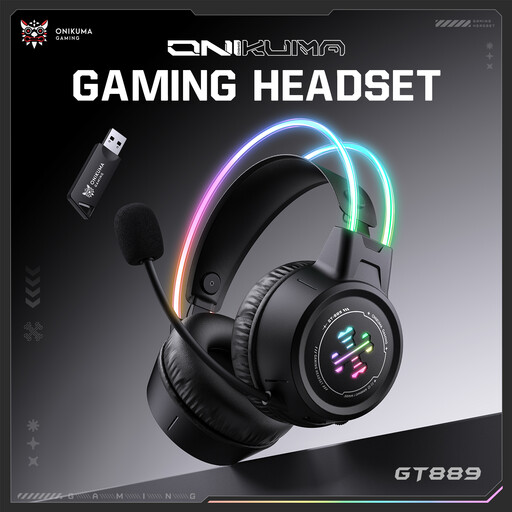
ONIKUMA GT889 wireless headset
The detachable microphone is designed for voice communication. Before recording, check that the headset works with your recording device and decide how you’ll capture the second voice.
The model is listed with 2.4 GHz wireless, Bluetooth and a wired mode. Product details also mention a lightweight headband and breathable ear cushions.
View at Joybuy
 No image available
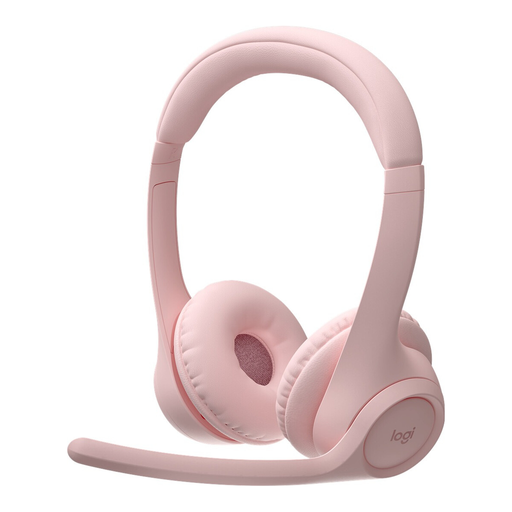
Logitech Zone 300 wireless Bluetooth headset, Pink
This headset is an option for wireless voice communication. To record the full conversation, plan a separate recording channel for the interviewer as well.
Logitech lists two beamforming microphones on the extended boom, Bluetooth Multipoint and up to 16 hours of talk time. The stated weight is 122 g.
View at Joybuy
 No image available
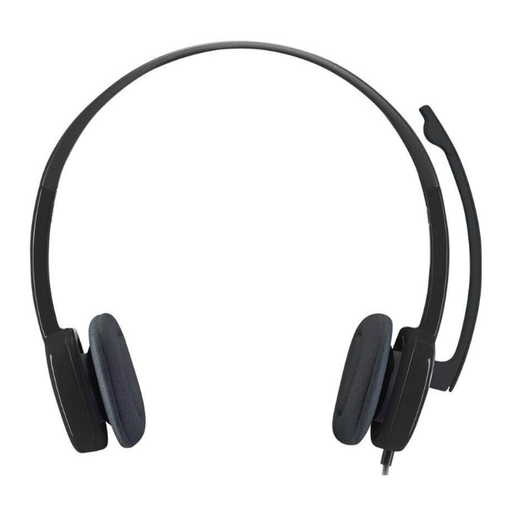
Logitech H151 stereo headset
You can position the adjustable microphone to record your own voice; check in advance that your recording device has a suitable 3.5 mm connection.
Product details list a 3.5 mm connection, a microphone that rotates through 180°, and volume and mute controls on the cable. Compatible devices include PC, Mac, laptop, tablet and smartphone.
View at Joybuy
 No image available
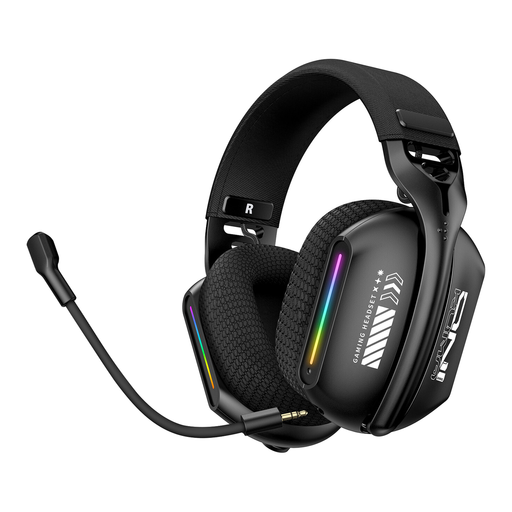
ONIKUMA GT808 RGB-lit triple-mode wireless headset
The adjustable microphone is designed for voice communication. For long interviews, test the fit and plan a separate solution for the interviewer’s voice.
The headset is listed with Bluetooth, a wired mode and 2.4 GHz wireless. Product details say the microphone rotates through 360°; soft ear cushions and a padded, adjustable headband are also listed.
View at Joybuy
Frequently asked questions
Is one headband microphone enough if I want my questions to be heard too?
Plan a second recording channel for your voice, and listen to a test recording of both voices before the long interview. A microphone worn by one person isn’t automatically a reliable way to record both people in the conversation.
Can I connect an XLR headband microphone directly to my laptop?
Not based on the model name alone: you’ll need a suitable XLR recording setup. For the AKG C520, also take into account the 9 to 52 V power supply specified by AKG; the Audio-Technica PRO8HEx is the wired XLR version.
What should I check before a long recording?
Choose as quiet a location as possible, adjust the headband to fit the wearer and listen to a test recording using the planned speaking positions. Also check the cable routing or, if you’re using a wireless system, the entire recording setup rather than relying on the polar pattern alone.
Can I record a conversation at a class reunion without getting permission first?
Section 201 of the German Criminal Code (StGB) covers the unauthorised recording of privately spoken words. So, check with the people you’re speaking to before recording and tell them how you plan to use it or who you intend to share it with. Whether other data protection obligations apply to a particular private or organised project depends on how the recording will be used.
Can I use any wireless headset in Germany without checking anything first?
No. In its general allocation issued in April 2026, the Federal Network Agency lists permitted frequency bands and technical and operational conditions for wireless microphones. Check the frequency version and conditions for the specific system; among other things, Order 37/2026 repealed Order 109/2025.


