For long recordings at a fixed position, a wired headset is a good choice if its connection, monitoring and fit suit your recording device and the planned duration. If you need to move around while recording, you could consider a complete wireless system. Ofcom lists frequency bands and conditions of use that must be suitable for the specific system. In either case, make a test recording under your usual room conditions before recording a long script.
Who is a headset microphone suitable for?
Volunteers recording from a fixed position
If you record long scripts using a computer or recorder, choose a suitable connection, reliable monitoring and a microphone position you can keep under control throughout the recording. RØDE, Audio-Technica and Logitech describe different connection options for their respective models.
Speakers in changing environments
If background noise varies, being able to position the microphone consistently may be important when choosing a headset. Shure, Audio-Technica and Sennheiser list directional microphone features for specific models; a test recording will show you how your particular room sounds.
Museum speakers who need to move around
If you want to walk around or demonstrate something while recording, you’ll need to weigh up cable length against using a complete wireless system. Shure describes an SM35 wireless set with a bodypack transmitter and receiver; Ofcom lists frequency bands and conditions of use for radio microphones.
What should you look for when buying?
First, check that the microphone and headphones are compatible with your recording device. Then test the fit and microphone position over a period similar to the length of your recording. If you’ll be moving while recording, that may also sway you towards or away from a wireless system.
| Priority |
What to look for when buying |
Who should pay particular attention? |
| Clear speech with background noise |
Check the microphone boom and polar pattern, then listen to a test recording with typical room noise. |
If I’m speaking in changing noise conditions, I want to be able to position the boom consistently and test the recording in my usual environment. Around 29% of consumers put clear speech above background noise first. |
| Comfort during long recordings |
Test the fit, padding and headband adjustment for a similar length of time to your planned recording; take glasses or jewellery into account if needed. |
When recording a long script, I don’t want to notice pressure points or heat only once I’ve started. Around 29% of consumers give top priority to a comfortable fit throughout the recording. |
| Connection and monitoring |
Check the microphone input, headphone output and connector type on the device you’ll actually use; also check whether the microphone needs power. |
If I want to record and monitor without extra workarounds, both signal paths need to be compatible with my device. Around 28% of consumers put a straightforward recording setup first. |
| Freedom of movement |
Check how far you need to move, the receiver connection, power supply and the specific frequency use of any wireless system. |
If I need to walk around while recording, I don’t want a cable to restrict me at my recording position. For 14% of consumers, freedom of movement during recording is the main priority. |
Avoid common buying mistakes
-
Assuming headphone isolation means better microphone performance
Closed-back ear cups affect your monitoring first and don’t automatically tell you how clear your voice will sound in a finished recording.
Listen to a test recording with typical museum noise rather than judging by the ear cup design alone.
-
Confusing similarly named SM35 connection options
Shure says that wired use of the SM35-TQG requires the additional RPM626 preamp. According to the manufacturer, this is permanently attached to the SM35-XLR.
Check the full model name against your intended recording device and signal path.
-
Checking only the headset, not the complete signal path
According to the manufacturer, the Sennheiser HMD 26 with article number 700318 does not include a cable. For the NTH-100M, RØDE recommends a suitable plug-in power solution when using an XLR microphone input.
Make a note of the microphone input, headphone output and any cables or adapters you’ll need before choosing a model.
Key brands to consider
RØDE
The NTH-100M combines an over-ear headset with a microphone, making it a good option for speakers who want to monitor their audio while recording.
- RØDE lists adjustable ear cushions, a detachable microphone and a TRRS connection.
- According to RØDE, the microphone needs a suitable plug-in power solution when connected to an XLR microphone input; an XLR plug adapter alone isn’t enough.
Audio-Technica
The BPHS1 is a broadcast headset with a microphone and headphone connection, designed for a setup with compatible separate audio inputs.
- Audio-Technica lists a directional microphone, closed-back ear cups, and replaceable cables and ear pads.
- The listed cable configuration has an XLR connector for the microphone and a 6.3 mm connector for the headphones, not USB.
Sennheiser
The HMD 26 is a closed-back, wired broadcast headset for professional monitoring.
- Sennheiser lists a dynamic supercardioid microphone and modular design for the HMD 26.
- The product information says that the HMD 26 with article number 700318 does not include a cable; this applies to this version.
Shure
The SM35 is a headworn microphone without built-in headphones; the connection setup depends on the version.
- Shure offers the SM35-TQG and SM35-XLR versions; the RPM626 is permanently attached to the XLR version.
- For wired use of the TQG model, Shure specifies that an additional RPM626 is required. You’ll also need to plan for a separate monitoring device.
Logitech
The H390 is a USB-A headset for a fixed recording position at a computer.
- Logitech lists a microphone boom, mute control and a 1.9 m cable.
- The manufacturer’s description focuses mainly on calls. Check for yourself whether the microphone position and monitoring suit long narration recordings.
Joybuy products for fixed recording positions
The wired headsets below are designed for fixed recording positions at a computer. Check how USB, USB-C and 3.5 mm connections match your recording device; the right connection determines how you can connect the microphone and headphones.
 No image available
Logitech H540 Stereo Headset
Suitable for a fixed computer recording position if your device supports USB and you want to monitor through the same headset.
USB connection, 2.4 m cable, and volume and mute controls on the cable. The product information also lists an adjustable noise-cancelling microphone boom.
View at Joybuy
 No image available
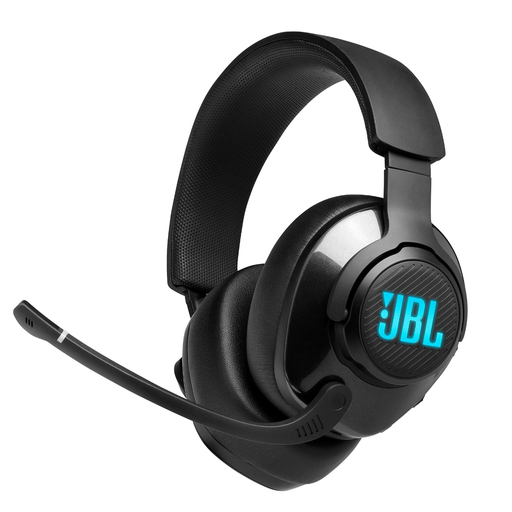
JBL Quantum 400
Suitable for a fixed recording position if your device supports USB-C or 3.5 mm and you prefer an over-ear headset with a microphone boom.
Wired over-ear model with a flip-up microphone and USB-C and 3.5 mm connections. The description mentions memory foam ear cushions and a lightweight headband for longer gaming sessions; test the fit yourself for the length of recording you have planned.
View at Joybuy
 No image available
Logitech 960 Stereo Headset
Suitable for a computer recording position if you need a USB connection and an adjustable microphone.
USB connection, 2.4 m cable, and volume and mute controls on the cable. The product information lists an adjustable microphone boom and a noise-cancelling microphone.
View at Joybuy
 No image available
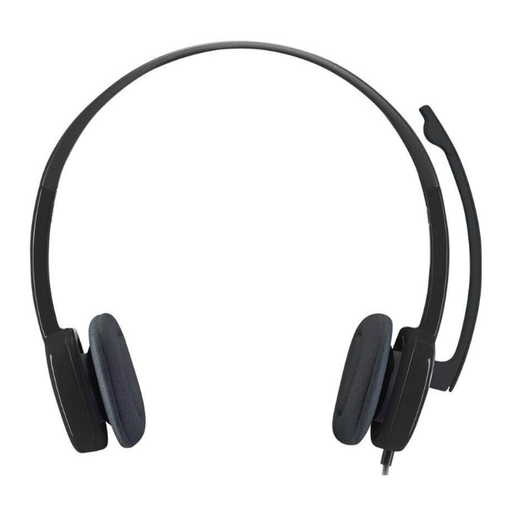
Logitech H151 Stereo Headset
Suitable for a wired recording position, provided your device has a compatible 3.5 mm audio connection.
3.5 mm connection, with volume control and mute switch on the cable. The product description lists a microphone that can be positioned flexibly and soft foam ear cushions.
View at Joybuy
 No image available
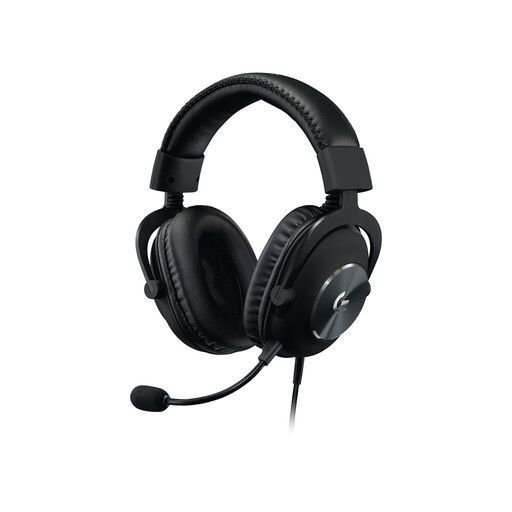
Logitech G PRO X
Suitable for a fixed recording position if you’re looking for a wired headset with a detachable microphone and the connection suits your setup.
The product information lists an external USB sound card and a cardioid microphone. A PC with USB and Logitech G HUB is required for the advanced Blue VO!CE and surround sound features.
View at Joybuy
Frequently asked questions
How can I reduce audible breathing and plosive sounds when recording?
Position the microphone boom as directed by the manufacturer, then listen to a short test recording with challenging sounds before starting a long recording. RØDE describes how to position the NTH-100M microphone to help with plosives; Shure lists a windscreen for the SM35. These details don’t guarantee the same results for every speaking style or recording situation.
Can I connect the RØDE NTH-100M directly to an XLR microphone input?
Not with an ordinary XLR adapter alone: RØDE says the microphone needs plug-in power when connected to an XLR input, and lists the VXLR PRO or VXLR+ as suitable adapters. Check the microphone input, monitoring connection and power supply against your recording device.
What extra equipment should I plan for?
It depends on the model and the equipment you already have. According to Sennheiser, the HMD 26 with article number 700318 does not include a cable; for wired use of the Shure SM35-TQG, Shure specifies that an additional RPM626 is required. You may also need an adapter with suitable microphone power for the RØDE NTH-100M’s XLR recording setup.
Can I use any frequency band for a radio microphone in Germany?
No. The specific frequency use must comply with an applicable allocation and its conditions. On 15 April 2026, the German Federal Network Agency published Notice 37/2026, which lists frequency bands and technical and operational conditions; among other things, it revoked an older general allocation from 2025. Without the frequency information for the specific system, it’s not possible to assess whether its use is permitted.
Is consent always needed to record or publish a volunteer’s voice?
There isn’t a blanket yes-or-no answer. If a museum processes personal data, it must first identify an appropriate legal basis under the GDPR. The European Data Protection Board lists possible legal bases in addition to consent; the museum must determine which applies to the specific purpose of recording and publication.


