If you’ll mainly be speaking yourself, a headset with an adjustable microphone boom and a compatible connection is a sensible place to start. Test the recording using your actual quiet speaking voice. If both people need to be captured clearly and on separate tracks, you’ll need a suitable setup with the right microphones, inputs and recording software. Turning up the gain or using noise cancellation is no substitute for positioning the microphone correctly and making a test recording.
Who is a headset microphone suitable for?
Learners with a quiet conversation partner
If you also want to record the person you’re speaking to, first check whether your setup can capture both voices. The Audacity Manual notes that multichannel recording doesn’t work automatically on standard Windows systems.
People recording themselves in a quiet voice
For your own lines of dialogue, choose a microphone position you can maintain while speaking quietly. Logitech describes the H390 as having an adjustable microphone boom. Check that the connection is right for your device, then listen to a test recording.
Learners recording somewhere noisy
If there’s background noise where you’re recording, test how clear the audio is in those exact conditions. The Audacity Manual points out that amplifying a recording afterwards also increases room noise.
What should you look for when buying?
A headset for recording your own voice
A good fit if: you’ll mainly be recording your own quiet voice and the headset connects to your computer.
Consider: A microphone positioned by your mouth doesn’t automatically give you a separate microphone for the person you’re speaking to.
A headset for noisy environments
A good fit if: you mainly want to record your own voice in a noisy environment.
Consider: Manufacturers’ claims about noise processing don’t tell you how clearly a quiet conversation partner will sound in your recording.
Separate microphones for both voices
A good fit if: both learners speak at a similarly quiet volume and you want to edit their voices separately.
Consider: According to the Audacity Manual, your hardware, drivers and software must support simultaneous multichannel recording.
| What you need |
What to check before buying |
Who it matters most to |
| Recording both voices |
Check how many people you’ll be recording at once, whether you need separate tracks, and which simultaneous inputs your device, drivers and software support. |
If I want to edit both voices separately, I’ll check the microphones, inputs and software first. Around 34% of consumers put recording both voices separately first. |
| Recording your own quiet voice |
Check whether you can position the microphone boom as needed. Speak as quietly as you will during the actual recording, then check the levels and listen back. |
If I’m mainly recording my own quiet voice, I need to be able to keep the microphone in position during the test. Around 33% of consumers prioritise recording their own quiet voice. |
| Background noise |
Record a short passage in your usual spot and listen back. According to the Audacity Manual, amplifying the recording afterwards can also increase room noise. |
If my recording spot is noisy, I want to check that my voice and, if relevant, the other person’s voice are still clear. Around 20% of consumers focus on the conditions where they record. |
| Connection and setup |
Check that the connector on the specific version matches your computer, then select the correct input device in your recording software. |
If I need to check that the headset will connect to my device, I’ll confirm the connection and input device before buying. Around 13% of consumers put compatibility first. |
Common selection mistakes
-
Assuming noise cancellation will capture both voices
Manufacturers describe headset microphones as capturing the wearer’s voice or being suitable for calls. That doesn’t prove they’ll pick up someone sitting further away clearly enough for a study conversation.
First decide whether one or two voices matter most, then test both from the positions where you plan to speak.
-
Trying to fix a recording that’s too quiet afterwards
The Audacity Manual points out that amplifying a recording afterwards also increases room noise.
Before recording, adjust the microphone position and input level while speaking in your usual quiet voice, then listen to a test recording.
-
Comparing model names without checking the connection
Different versions in the same product range may have different connections. A headset won’t help if its plug isn’t compatible with your microphone input.
Check the full product name and the connection on the specific version.
Brands to consider
Logitech
Wired computer headsets such as the H390 may be worth considering for recording your own voice, provided the connection is compatible.
- Logitech lists an adjustable microphone boom and in-line controls for the H390.
- The H390’s specifications don’t show how well it will capture every quiet voice in a particular recording setup. Check which USB version you’re buying, too.
Jabra
For the Evolve2 range, the exact model and connection type make a difference.
- Jabra describes the Evolve2 40 SE as having three microphones and a flexible boom, while the Evolve2 30 SE has a two-microphone system.
- These manufacturer specifications relate to calls. They don’t prove that a second person in the room will be recorded just as clearly.
EPOS
Wired business headsets, including the PC 8 USB and ADAPT versions, may be suitable options for recording one speaker.
- EPOS’s product range distinguishes between specific USB and USB-C models.
- Check the connection and suitability of the exact model. General manufacturer claims about call quality don’t test performance in quiet study conversations.
Razer
The Kraken V3 X is a USB gaming headset with a bendable microphone boom.
- Razer describes this model as having a bendable cardioid microphone.
- Its advertised voice capture for gaming doesn’t prove it will pick up quiet study conversations clearly. Surround sound also won’t help you record a second voice.
Headsets for recording your own voice
The options below are headsets with microphones for recordings where your own voice is the focus. If both people matter equally, plan the microphones and inputs for your complete recording setup.
 No image available
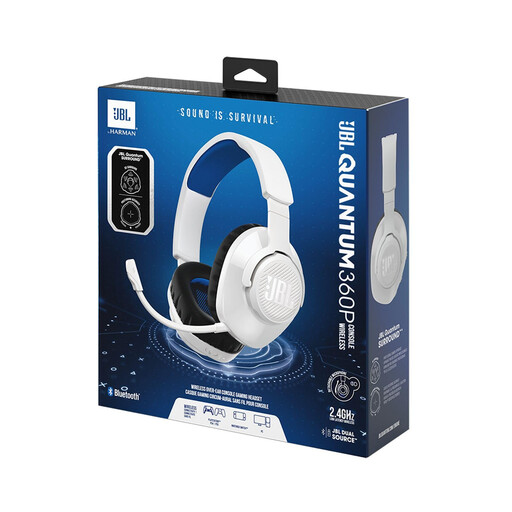
JBL Quantum 360P Wireless Gaming Headset
If you want to record your own voice, test the boom microphone at your usual speaking volume.
The product specifications list a microphone with echo cancellation, Bluetooth 5 and a detachable 3.5 mm cable. The model is described as compatible with PC.
View at Joybuy
 No image available
Logitech H540 Stereo Headset
If you’re mainly recording your own voice, position the adjustable microphone for your quiet speaking voice, then listen to a test recording.
The product specifications list a noise-cancelling microphone, USB-A and compatibility with PC and Mac. Volume and mute controls are on the headset.
View at Joybuy
 No image available
Logitech 960 Stereo Headset
If you’re recording your own voice, the adjustable microphone boom is a good place to start. Test how clear the recording sounds in the spot where you plan to use it.
This model is listed as a USB stereo headset with a noise-cancelling microphone. The product name specifies a 2.4 m cable and compatibility with PC, Mac and laptop.
View at Joybuy
 No image available
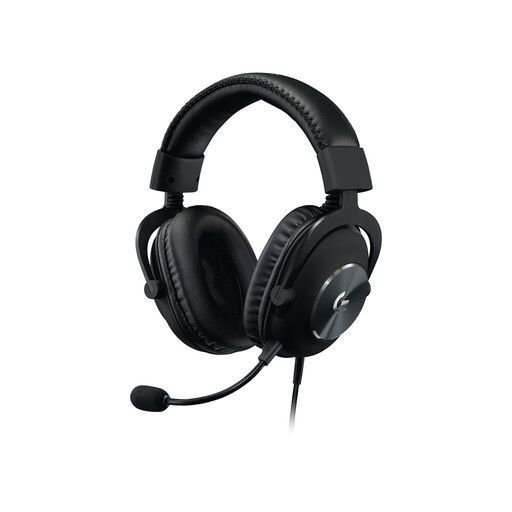
Logitech G PRO X Gaming Headset
If you want to record and edit your own voice, check first that the required software is compatible with your computer.
The product specifications list a detachable cardioid microphone and a USB sound card. According to the product description, the advanced Blue VO!CE microphone filters require G HUB and the USB sound card.
View at Joybuy
 No image available
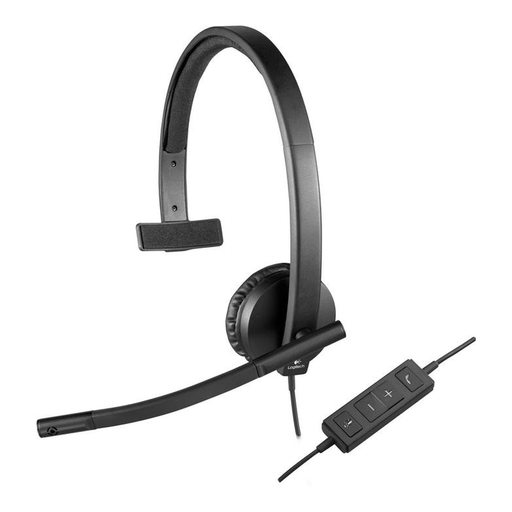
Logitech H570e Mono Headset
For recording your own quiet voice, the product specifications suggest positioning the flexible microphone boom about 2–3 cm from your mouth. Listen back to check the result.
The product specifications list USB-A and compatibility with PC and Mac for this mono headset. They also describe volume control and a mute function with an LED indicator.
View at Joybuy
Frequently asked questions
Can a headset microphone record each person in a quiet conversation on a separate track?
Not simply because it’s a headset. According to Audacity, your hardware, drivers and recording software must support simultaneous multichannel recording for separate tracks.
How do I set the recording level beforehand?
Select the headset as your recording device, speak at your usual volume during a short test and check the level meter and playback. The Audacity Manual points out that amplifying a recording afterwards also increases room noise.
Should I allow for an adapter or extra recording hardware before buying?
First, check that the connection on the specific headset version matches your device. Depending on the socket, you may need an adapter for a 3.5 mm jack. For separate dialogue tracks, your recording hardware must also support the number of simultaneous inputs you need.
Can I record a study conversation with someone else in Germany?
You must not record another person’s privately spoken words without their permission: Section 201 of the German Criminal Code covers this type of recording. Get everyone’s agreement beforehand. Whether data protection obligations also apply depends on the specific use and whether the recording may be shared.


