Speakers whose volume varies
If you record both quiet and emphatic passages, you can check the microphone position and input level beforehand. In its guide to test recordings, Audacity recommends lowering the level if clipping occurs.


If you’re recording on a computer and want a straightforward signal path, a suitable USB headset is a natural starting point. If you already have an audio interface or a compatible bodypack transmitter, a separate headworn microphone could also be an option. The key things to check are the exact connection and power requirements, a secure fit and a test recording of your loudest passages. A manufacturer’s noise-cancellation claim, or a microphone that appears suitable, does not on its own prove that a recording is fit for a fire alarm voice alarm system.
If you record both quiet and emphatic passages, you can check the microphone position and input level beforehand. In its guide to test recordings, Audacity recommends lowering the level if clipping occurs.
If you want to connect a headworn microphone to an interface, recorder or bodypack transmitter, the exact model, connection and power requirements must all be compatible. The different variants and connection requirements listed by Shure, AKG, RØDE and Sennheiser illustrate why it’s important to check.
If you need to move around while speaking or take background noise into account, a secure fit and the microphone’s polar pattern are important considerations. Shure and AKG list a cardioid pattern for certain models, but that’s no substitute for testing the microphone in the room where you’ll use it.
First, decide whether you’ll record directly on a computer or use existing recording equipment. Next, make sure the signal path is right and test the microphone with your own voice. Wireless is mainly worth considering if you really need to move around.
| Priority | What to check before buying | Who should pay particular attention |
|---|---|---|
| Clear speech | Check the boom position, windscreen and input level; make test recordings of both quiet and emphatic sentences. | If I want both to come across clearly, I look for a microphone position and level I can control; around 31% of consumers put speech clarity first. |
| Compatible signal path | Check the model variant, input, power requirements, headphone connection and what’s included in the box. | If I want to keep using my existing recording equipment, the connection and power requirements need to match; around 25% of consumers prioritise compatibility with their equipment. |
| Room noise | Listen to a test recording made in the intended room, and check the polar pattern and windscreen on the exact variant. | If background noise in my room could affect the recording, I want to check how clearly speech comes across there; around 19% of consumers focus first on noise in the recording space. |
| Freedom of movement | Check the fit and cable routing; for wireless systems, make sure the microphone works with the transmitter, receiver and frequency requirements. | If I want to gesture or move while speaking, I need a secure fit and a compatible signal path; around 13% of consumers prioritise freedom of movement. |
| Comfort and monitoring | Consider the fit and check whether headphones are built in or need to be bought separately. | If I’m recording repeatedly and want to listen back to each test, fit and a suitable monitoring solution matter; around 12% of consumers prioritise comfort and monitoring. |
Connections that look similar don’t necessarily mean the microphone, recording equipment and power supply will work together. The Shure SM35-TQG and SM35-XLR have different connection types; RØDE specifies a microphone input with plug-in power for the HS2.
Before buying, check the model variant, input, power requirements and included accessories as one complete chain.
Manufacturers’ claims about office headsets relate to conversations and don’t automatically prove that a recording made in an expressive speaking style will be clear.
Record both quiet and emphatic passages in the intended room, then listen for clarity, breathing noise and clipping.
The Sennheiser ME 3 is described for use with certain EW-D and XSW systems. Wireless operation also requires compatible transmitter and receiver components, as well as compliance with the applicable frequency requirements.
Choose wireless only if you need the freedom to move, and check the entire system, including its operating band. The Bundesnetzagentur notes that frequency allocation does not guarantee interference-free operation.
According to DIN Media, DIN VDE 0833-4:2024-06 covers the planning and operation of voice alarm systems. Choosing a microphone doesn’t establish whether a particular recording meets the requirements of such a system.
If the file is intended for this purpose, check the format, content and approval process with the people responsible for the specific system.
The SM35 is a separate headworn microphone for speech and singing.
The C520 is a separate XLR headworn microphone for a recording setup with the right equipment.
The HS2 is an adjustable headworn microphone for use with a compatible 3.5 mm microphone input.
The H390 is a USB headset with headphones and a boom microphone for use with a compatible computer.
The ME 3 is a separate headworn microphone for certain EW-D and XSW wireless systems.
The IMPACT 100 UC Stereo USB-C+A is an alternative computer headset with headphones.
The following Joybuy products are headsets with microphones. Before recording, check that the connection, recording equipment and microphone position you need are all compatible.
 No image available
If you’re looking for a headset with a microphone for recording speech on a computer, check that the connection method you plan to use works with your recording equipment.
Listed in the product name: Bluetooth 5, detachable 3.5 mm cable, 22h battery and compatibility with PlayStation, PC, Mac and Switch.
 No image available
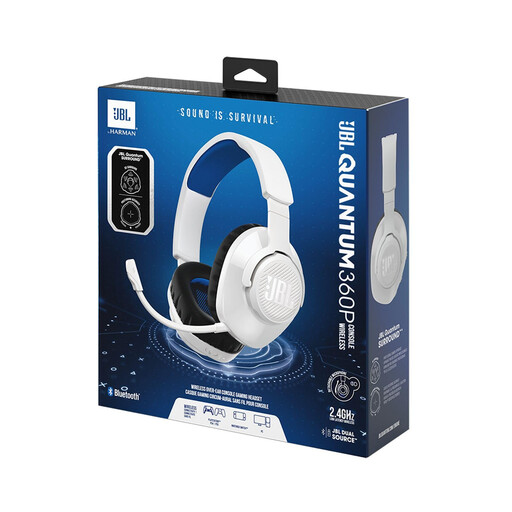
If you’re considering a wireless headset with a microphone, check that it connects to your recording equipment and that the microphone is positioned well for your presentation.
Listed in the product name: 2.4 GHz wireless, Bluetooth 5.4 and wired use; 50 mm drivers.
 No image available
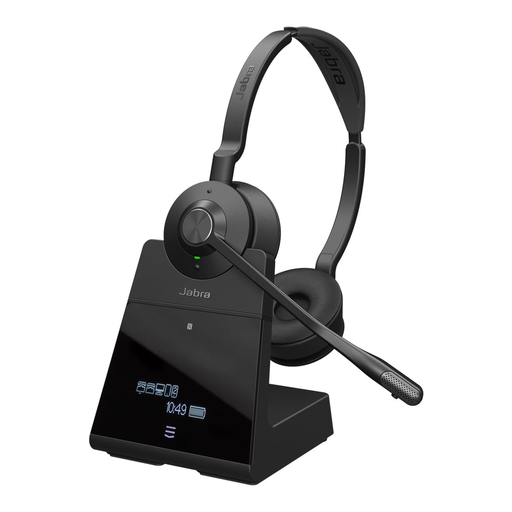
If you’re considering a wireless setup at your recording station, check that the specified connection and microphone work with your recording equipment.
Listed in the product name: DECT, 150 m range, noise-cancelling microphone, USB-C to USB-A cable and stand.
 No image available
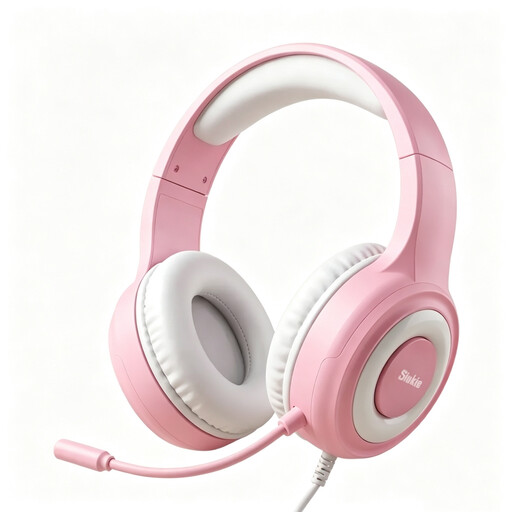
If you’re considering a wired headset for recording speech, check that its USB or 3.5 mm connection matches your device’s microphone input.
Listed in the product name: wired over-ear headset, USB and 3.5 mm jack; 50 mm drivers.
 No image available
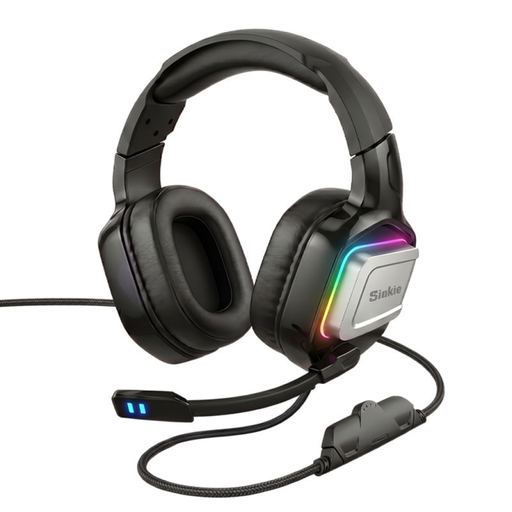
If you’re considering a headset with an adjustable microphone boom, check the fit and make sure it connects to your recording equipment.
Listed in the product name: wired over-ear headset, USB and 3.5 mm jack; 50 mm driver.
Position the boom as described in the instructions for your model; for example, Sennheiser recommends placing the ME 3 2 to 3 cm beside the corner of your mouth. Make a test recording of the loudest passage you plan to deliver, and lower the input level if clipping occurs. In its guide to test recordings, Audacity suggests aiming for peaks of around −6 dB; this is a guideline, not a required standard.
No. A 3.5 mm plug alone doesn’t prove that the microphone is compatible. RØDE explicitly specifies a 3.5 mm microphone input with plug-in power for the HS2; check the socket type, power requirements and, if necessary, the right adapter for your recording equipment.
Check the frequency band and technical requirements for the specific wireless system against the current allocation from the Bundesnetzagentur. Decision 37/2026 of 15 April 2026 replaced, among others, Decision 109/2025; frequency allocation does not guarantee interference-free operation.
No. DIN Media describes DIN VDE 0833-4:2024-06 as the standard for planning and operating voice alarm systems for use in the event of a fire. If your recording is intended for this purpose, check the requirements for the specific system with the people responsible for it; a microphone product claim doesn’t prove that it’s suitable.