Tutorial creators who vary their delivery
If you switch between calm explanations and more emphatic points, record both in a test. Make sure the level doesn’t peak during the loudest passages.


For recording straight to your computer, a USB headset with the right connection is a sensible starting point. An analogue headset may also work if your device has a compatible microphone input. A broadcast headset with separate microphone and headphone connections is better suited to an existing audio interface or mixer. To capture expressive speech, make a test recording with both quiet and emphasised passages, and check the microphone position and recording level.
If you switch between calm explanations and more emphatic points, record both in a test. Make sure the level doesn’t peak during the loudest passages.
If you want to record your screen and voice on your computer without setting up an audio interface, choosing the right USB version is important. Check your computer’s connection and record a short voice test.
If you already use an interface or mixer, check that the microphone and headphone connections match its available inputs. You can then record and monitor your audio through your existing setup.
A good fit if: you want to record on your computer without an audio interface and the USB version is compatible with its connection.
Things to consider: You’ll need to use the right USB port, and only a test recording will show whether the voice sounds right for your tutorial.
A good fit if: your recording device has a compatible microphone input for a headset.
Things to consider: A compatible headphone socket doesn’t necessarily mean the microphone will work too. The RØDE NTH-100M requires the supplied TRRS cable for microphone functionality.
A good fit if: you have an audio interface or mixer with suitable microphone and headphone inputs.
Things to consider: XLR and 6.3 mm jack connections require compatible inputs. Also check whether the necessary connection cable is included.
| What matters | What to check before buying | Who will find this particularly important? |
|---|---|---|
| Voice at varying volumes | Record quiet and emphatic passages; check the level meter and saved track. | If I speak calmly and emphasise certain words, I want to record both without distracting distortion. Around 36% of consumers say these vocal nuances are a deciding factor for them. |
| The right connection | Check your computer’s sockets, microphone input, exact model variant and included cable. | If you want to record directly on your existing computer without an interface, you’ll want to make sure the connection and microphone input work together. Compatibility is the top priority for around 29% of consumers. |
| Background noise and breathing sounds | Test the headset in your actual recording space; assess microphone position and room noise separately. | If fan noise or breathing sounds could be distracting, I want to listen to a test recording made in the conditions I’ll be using. Around 21% of consumers prioritise checking for this kind of background noise. |
| Comfort during longer takes | Check the fit with glasses and over your planned recording time; choose controls that suit the way you work. | For longer recordings, I want to wear the headset comfortably and be able to reach the controls I need. This comfort is the most important consideration for around 14% of consumers. |
For a level test, Audacity recommends aiming for peaks around −6 dB in its test recording. This is a recording guideline, not a feature of any particular headset.
A plug may fit the socket without the microphone working on your device. The RØDE NTH-100M requires the supplied TRRS cable for microphone functionality; RØDE describes the supplied splitter for separate 3.5 mm sockets.
Before buying, check your device’s inputs and outputs against the connection and included accessories for the exact headset variant.
You may need additional compatible equipment for separate or different connections.
Noise isolation while monitoring doesn’t tell you how much room noise the microphone will pick up. Microphone position also affects whether breathing and plosive sounds stand out in the recording.
Record at your actual recording spot with your computer running, then listen back to the saved track. Shure recommends positioning the microphone slightly to the side of your mouth to reduce popping sounds.
beyerdynamic states that the DT 297 versions are supplied without a connection cable, so you’ll need to factor the right cable into your setup plans.
Before buying, check the cable type and make sure it’s compatible with the inputs on your interface or mixer.
You may need to buy a suitable connection cable separately.
Connections vary by model: Audio-Technica says the ATH-M50xSTS-USB is designed for direct USB-A connection, while other versions and the BPHS1 use different connections.
The NTH-100M is an analogue over-ear headset with a detachable microphone, designed for compatible recording and monitoring equipment.
Logitech describes the H390 as available with USB-A or USB-C connectors, with controls on the cable.
According to the manufacturer, the DT 297 PV MK II is a wired broadcast headset for a suitably configured setup.
This selection features PC-compatible headsets with microphones that you can consider for software tutorials. Check the exact connection and make a test recording to assess how your voice sounds before relying on the headset for longer takes.
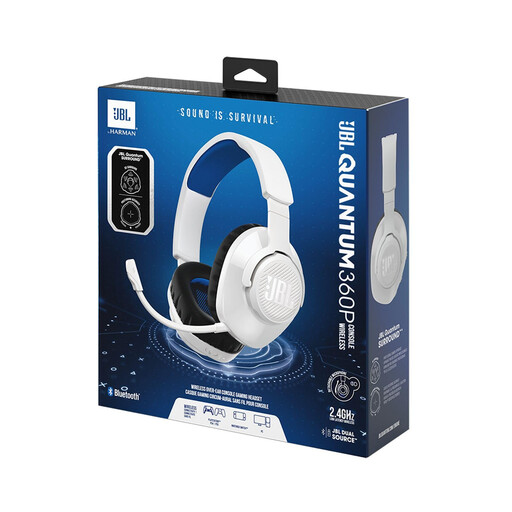 No image available
Could be worth considering if you want to choose between wireless use and the specified detachable 3.5 mm cable. Test which connection works with your recording device.
 No image available
Worth considering as a USB headset for PC recording if you’re looking for an adjustable microphone and on-ear controls. Check the exact connection variant.
 No image available
Could be an option for computer voice recordings if you want a detachable microphone and several ways to connect. Check which connection is right for your recording setup first.
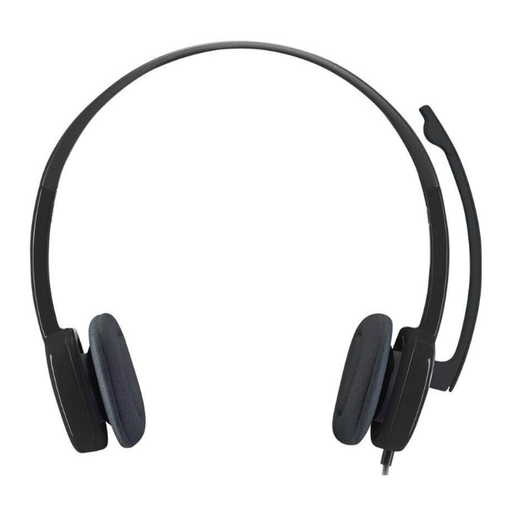 No image available
A wired option if you’re looking for an adjustable microphone and a 3.5 mm jack for your recording device. Check that the socket also supports microphone input.
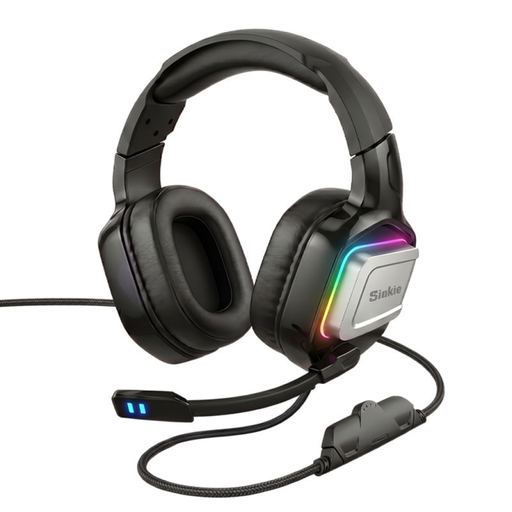 No image available
Could be worth testing for PC voice recordings if you want a flexible boom microphone. Check which of the listed connections is right for your recording device.
Record a short passage using your quietest and loudest planned speaking voices, watch the recording level and listen for distortion and breathing sounds. Audacity recommends aiming for peaks around −6 dB in its test recording. If clipping occurs, record again at a lower level. The relevant control may be in your operating system when you’re using a USB device.
First, check the exact model and your device’s inputs. For the RØDE NTH-100M, RØDE describes a splitter on the supplied TRRS cable for separate 3.5 mm sockets. The version of the Audio-Technica BPHS1 described here uses XLR for the microphone and 6.3 mm for the headphones; these connections aren’t interchangeable.
For consumer purchases in the EU, there is generally a minimum legal guarantee of two years from the date you receive the goods. If a product is faulty, the seller is responsible for providing the remedy required by law; an additional manufacturer’s guarantee doesn’t replace these rights. This information about EU consumer purchases comes from Your Europe, the European Union’s information portal.
No. Germany’s Federal Ministry for the Environment advises that waste electrical equipment must be handed in to authorised collection points, such as local authority collection centres or retailers required to take it back. Whether a retailer must accept an item without a new purchase depends, among other things, on the retailer’s size and the item’s dimensions.