A well-fitted headworn microphone can help keep the distance from the speaker’s mouth consistent as they move their head, but it isn’t essential for a good oral history interview. Choose according to the room, the speaker’s willingness to wear one and the recorder you already have. Check the connection and power requirements, and, if needed, plan for separate microphone inputs for both sides of the conversation, as recommended by Oral-History.Digital and the Oral History Society.
Who is a headworn microphone suitable for?
Consistent speech, even when the speaker moves their head
If the person telling their story turns their head or gestures while speaking, a well-fitted headworn microphone can help keep the distance from their mouth consistent. Sennheiser recommends positioning the microphone boom close to the corner of the mouth.
Interviews with two speakers
If you also want to capture your own questions clearly, plan to record both sides of the conversation. The Oral History Society recommends using a recorder that can record two external microphones.
Recording with equipment you already own
If you already have a recorder, computer or bodypack transmitter, make sure the plug, microphone input and, where necessary, power supply are compatible. The specifications from Shure, RØDE, Sennheiser and Audio-Technica show that connection requirements vary.
What should you look for when buying?
Wired dynamic headset
A good fit if: The person telling their story will be seated and the recorder has a suitable microphone input. Shure offers the WH20XLR as an XLR version.
Things to consider: The cable and input need to work with the seating position. According to Shure, the dynamic WH20 has a lower output level than condenser microphones.
Condenser headset with a compatible power supply
A good fit if: The required power supply and connection chain are already in place or planned. RØDE specifies that the HS2 requires plug-in power at the microphone input.
Things to consider: A 3.5 mm plug alone doesn’t guarantee compatibility. Sennheiser offers the Headmic 4 with different connection options.
Headset with headphones and a boom microphone
A good fit if: The speaker also wants to monitor the recording through a compatible device, and wearing visible headphones won’t distract from the conversation.
Things to consider: Audio-Technica positions the ATH-M20xSTS for streaming and content creation. That doesn’t mean it’s suitable for every field recorder or for recording both sides of a conversation.
Separate microphone instead of a headworn one
A good fit if: The person telling their story doesn’t want to wear a headband, and a microphone can be positioned effectively in a quiet setting.
Things to consider: With lavalier microphones, clothing and sleeves can cause rustling. A separately positioned microphone needs to be placed correctly.
| Priority |
What to check when buying |
Who should consider this? |
| Consistent speech recording |
Check how securely the headband fits, whether the boom is adjustable and what type of capsule it uses. Listen to a test recording with natural head movements. DPA notes that directional capsules can be more prone to plosive and handling noise. |
If the person telling their story moves around, I want to keep the microphone at a consistent distance and test its position beforehand. Around 33% of consumers prioritise consistent speech recording above all else. |
| Recording questions and answers |
Decide in advance whether you want to record both speakers. If you’re using two microphones, check the recorder’s inputs and channels. The Oral History Society recommends recorders with two external microphone inputs. |
If I want my questions to be clearly documented too, I’ll plan to record both sides of the conversation separately. Around 27% of consumers prioritise capturing the full conversation. |
| Connection and power |
Check the exact model, plug, microphone input and required power supply or adapter against the equipment manuals. |
When using a recorder I already own, I want to make sure the plug and input are compatible before choosing a microphone. Around 20% of consumers consider device compatibility their top priority. |
| Comfort during longer conversations |
Try the headband and microphone boom on with the person telling their story beforehand. If they find it uncomfortable, plan to use a differently positioned microphone instead. |
For a longer conversation, I want to avoid an uncomfortable headband interrupting the flow of the story. Around 20% of consumers prioritise comfort above all else. |
Avoiding buying and recording mistakes
-
Assuming a matching plug means the recording setup is compatible
XLR, TRS and TRRS versions can have different input and power requirements. A plug that fits physically doesn’t necessarily mean the microphone will work with your recorder.
Check the exact microphone model against the recording equipment manuals, including the input and any power requirements.
Depending on the microphone you choose, you may also need a suitable recorder input, adapter or bodypack transmitter.
-
Assuming the speaker’s headset will automatically capture the whole interview
A microphone worn by the person telling their story won’t automatically capture the interviewer’s questions just as clearly. You may need to position a separate microphone for each side of the conversation.
Decide in advance whether you want to record just the story or both speakers, then listen to a test recording of each. The Oral History Society recommends recorders that can record two external microphones.
A second microphone requires extra inputs and more time to set up and monitor.
-
Choosing a directional capsule as a one-size-fits-all option
DPA notes that directional capsules can be more prone to plosive and handling noise. In a quiet room, an omnidirectional capsule may be an alternative.
Test the microphone, room and speaking style together instead of choosing a polar pattern based on its name alone.
Key microphone brands at a glance
Shure
The wired dynamic WH20XLR is worth considering if you have a compatible XLR microphone input.
- Shure specifies an adjustable headband, windscreen and XLR version for the WH20.
- According to Shure, the dynamic WH20 has a lower output level than condenser microphones. This applies to this model.
RØDE
The HS2 is a lightweight headset with an omnidirectional capsule, designed for one speaker when the required power supply is available.
- RØDE specifies an adjustable boom, pop shield and 3.5 mm TRS connection.
- According to RØDE, the microphone input being used needs plug-in power; any headphone socket won’t do.
Sennheiser
The Headmic 4 range includes cardioid headworn microphones with different connection options for compatible professional systems.
- Sennheiser specifies replaceable parts and versions with either a 3.5 mm or three-pin connection.
- Check that the specific version and intended bodypack transmitter are compatible with your existing system.
Audio-Technica
The ATH-M20xSTS combines headphones with a boom microphone for recording on compatible devices.
- The German-language manufacturer information lists a TRRS cable, along with USB-C and USB-A adapters.
- Its positioning for streaming and content creation doesn’t mean it’s suitable for every field recorder or oral history interview.
DPA
The professional earset and headset ranges include different mounts, as well as omnidirectional and directional capsules.
- DPA says directional capsules can provide greater rejection of distant noise in lively environments.
- DPA also notes that they are more sensitive to plosive and handling noise. In a quiet setting, an omnidirectional capsule may be an alternative.
Joybuy products for microphones and voice transmission
The products below include a lavalier microphone alternative and headsets for voice transmission. Before buying, check that the connection and recording setup are right for your specific interview.
 No image available
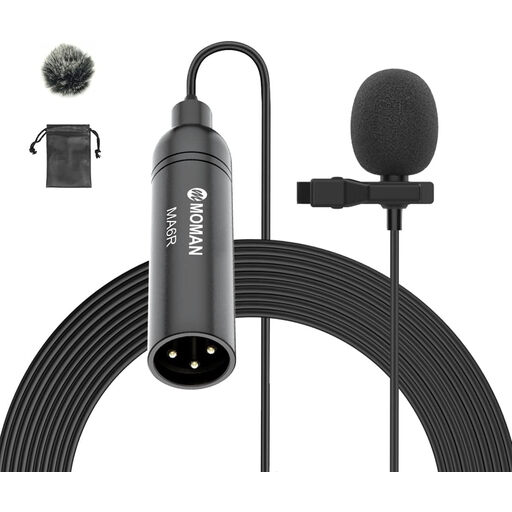
Moman MA6 lavalier microphone, 6 m
Described as a lavalier microphone for interviews and voice recording. Check in advance that it works with your existing recording equipment.
6 m cable, automatic pairing, 3.5 mm connection and omnidirectional lavalier capsule.
Joybuy
 No image available
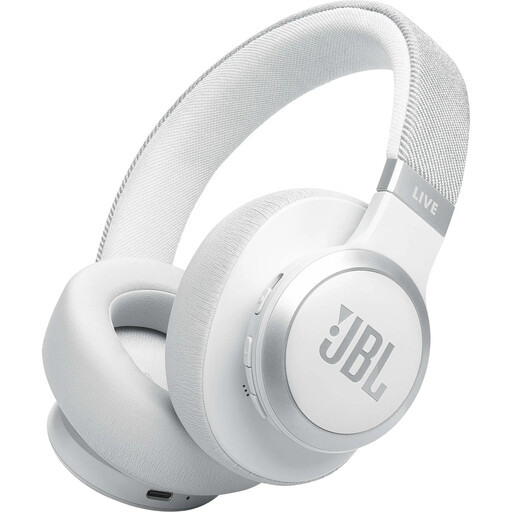
JBL LIVE 770NC wireless over-ear headphones, white
The microphones are described as being for hands-free calls. Before recording an interview, check that the headset can connect to the recording device you plan to use.
Wireless over-ear design with two beamforming microphones for voice transmission during calls. Bluetooth and Multipoint are also listed.
Joybuy
 No image available
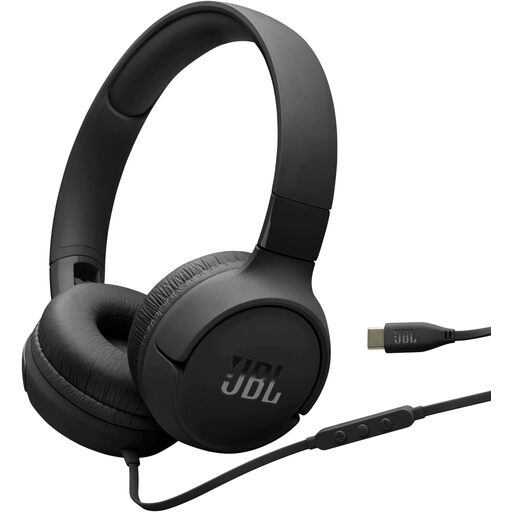
JBL Tune 520C USB-C on-ear headphones, black
The built-in microphone is described as being for calls. According to the product information, this model works only with compatible USB-C devices.
Wired on-ear design with USB-C connection and one-button remote control with microphone.
Joybuy
 No image available
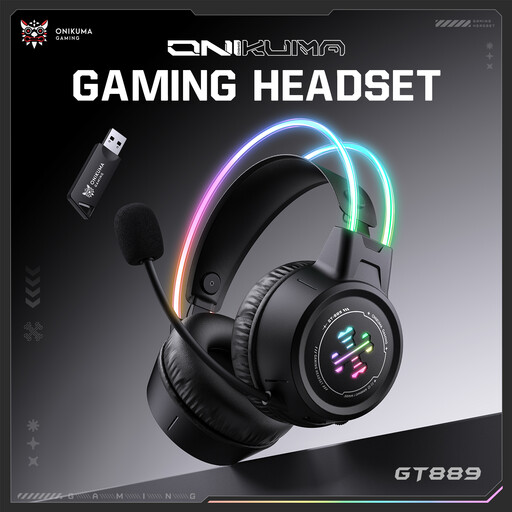
ONIKUMA GT889 gaming headset with 2.4 GHz wireless and wired connections
This gaming headset may be worth considering for voice transmission. Check that its wireless or wired connection works with your recording device.
The product title lists a detachable microphone and both wired and 2.4 GHz wireless operation.
Joybuy
 No image available
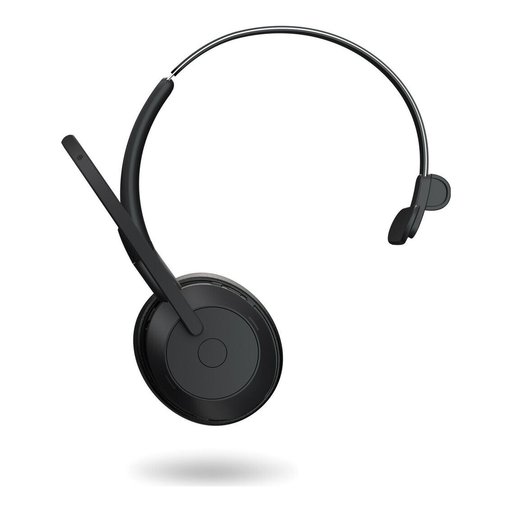
Jabra Evolve2 55 Mono wireless headset
The microphone is described as being for voice transmission during calls. Check whether Bluetooth or the USB-C connection works with the recording device you plan to use.
Mono on-ear design with Bluetooth 5.2, USB-C cable connection and Link 380 adapter.
Joybuy
Frequently asked questions
How should I position the microphone boom for a test recording?
Position it to the side of the corner of the mouth, then listen to a test recording made using your normal speaking voice. For the Shure WH20, the manufacturer’s instructions specify a maximum distance of 25 mm from the right corner of the mouth. Follow the relevant instructions for other models.
Do I need two microphones for two people in a conversation?
If you want both questions and answers to be clearly documented, plan to record the speakers separately and check your recorder and inputs. The Oral History Society recommends a recorder that can record through two external microphones. This is professional advice, not a legal requirement.
What should I test before a longer interview and for archiving?
Test your equipment before the interview and listen to both voices. If you’re planning to create an archival file for long-term use, check whether your recorder can record uncompressed PCM WAV. The Oral History Society lists this format in its equipment guidance. This doesn’t mean that every project must use a particular resolution.
Can I simply record and publish a private oral history interview in Germany?
Check that you’re authorised to make the recording and clarify how you plan to use it later. Section 201 of the German Criminal Code covers the unauthorised recording of privately spoken words. Processing personal data also requires a legal basis under Article 6 of the GDPR. The Federal Commissioner for Data Protection and Freedom of Information lists consent as one possible legal basis, but not the only one.
Can I use any wireless headset in Germany without checking anything else?
No. The rules for wireless equipment depend on the system being used. Check the frequency band and technical operating conditions against the relevant general assignment issued by the Federal Network Agency. The fact that a frequency band is permitted doesn’t guarantee interference-free operation or mean a particular device is suitable.


