What should you look for when buying?
First, decide how many voices you need to record. Then check that the microphone, connection and power requirements are compatible with your recording device. Test the fit and wind protection where you plan to have the conversation.
| What matters |
What to check before buying |
Who should consider this? |
| Wind and garden noise |
Check that the wind protection is suitable for the exact model, then listen to a test recording at the location. |
When I’m telling a story outdoors, I want my voice to remain clear in the wind without unnecessarily losing the garden atmosphere. Around 24% of consumers put wind and background noise first. |
| Comfort during long takes |
Check the adjustment range and how it stays in place; try speaking for an extended period while moving your head normally. |
For a long story, the boom needs to feel comfortable and the microphone needs to stay at a consistent distance. Around 24% of consumers prioritise secure, comfortable wear over long periods. |
| Both sides of the conversation |
Plan the recording paths and inputs for both voices, then test both channels in advance. |
If I want to keep the questions and answers too, I need a separate recording path for the second voice. Around 19% of consumers prioritise capturing the full interview. |
| Connection and power |
Check the full model variant, connector and power requirements against the equipment you already have. |
If you want to keep using your existing recorder or transmitter, you’ll need to make sure the microphone and signal chain are compatible. Around 19% of consumers say compatibility is their main concern. |
| Recording for a long time without interruptions |
Check the power supply, recording level and operation of all the channels you need before you start. |
For a long conversation that would be difficult to repeat, I want to avoid preventable technical interruptions. Around 14% of consumers focus above all on making sure a long take goes smoothly. |
Brands to consider
The examples below relate to specific model ranges and variants. They aren’t blanket recommendations for an entire brand.
RØDE
The HS2 is an omnidirectional headworn microphone with a 3.5 mm TRS output. According to RØDE, it requires plug-in power and a compatible 3.5 mm microphone input.
- The HS2 comes with a mini furry windshield and pop filter, according to the manufacturer.
- The MINIFUR-HS1 for stronger winds is a separate accessory; the supplied accessories don’t guarantee clear recordings in the garden.
Audio-Technica
The PRO8HEx is a wired, dynamic XLR variant with a hypercardioid pickup pattern. The BP892x range includes condenser microphones with different connection options.
- Audio-Technica says the PRO8HEx microphone arm can be worn on the left or right and comes with two windscreens.
- The BP892x’s connections and power modules vary by version, so check the exact variant and signal chain.
Shure
The SM35 is a directional headworn microphone. The variants differ in whether they’re designed for a compatible bodypack transmitter or a wired XLR recording setup.
- Shure describes a cardioid pickup pattern and a locking windscreen.
- For wired use, the SM35-TQG requires the additional RPM626, according to Shure; the preamp is permanently attached to the SM35-XLR.
AKG
The C520 is a cardioid condenser headworn microphone with a standard XLR connection. The C520 L has a different connection option.
- AKG says the C520’s microphone arm can be fitted on the left or right and comes with a W44 windscreen.
- According to AKG, the C520 requires a 9 to 52 V power supply; check whether your recording device can provide this.
Sennheiser
The HSP 2 is an adjustable, modular neckworn microphone for speech. The right connection option depends on the connector variant.
- Sennheiser documents replaceable cables and attachment clips; for wired use, the manufacturer also lists the MZA 900 P as an additional accessory.
- The windscreen is optional, according to the instructions. Sennheiser recommends sliding the microphone arm to adjust it rather than bending it.
Joybuy products at a glance
The products below are complete on-ear or over-ear headsets with microphones, not lightweight standalone headworn microphones. They may suit you if you prefer this style and the connection and recording setup are compatible with your device.
 No image available
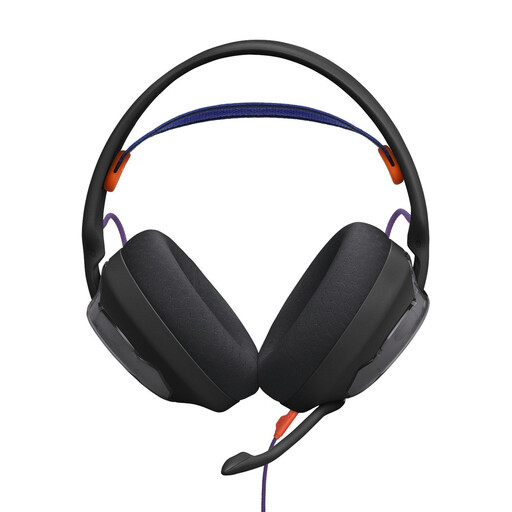
JBL Quantum 250 over-ear headset
Described as a wired over-ear headset with a detachable cardioid boom microphone, it could be an option if this style suits your recording setup.
The product description lists a 3.5 mm connection and a foam windscreen. Check that the input and power requirements are compatible with your recording device.
Joybuy
 No image available
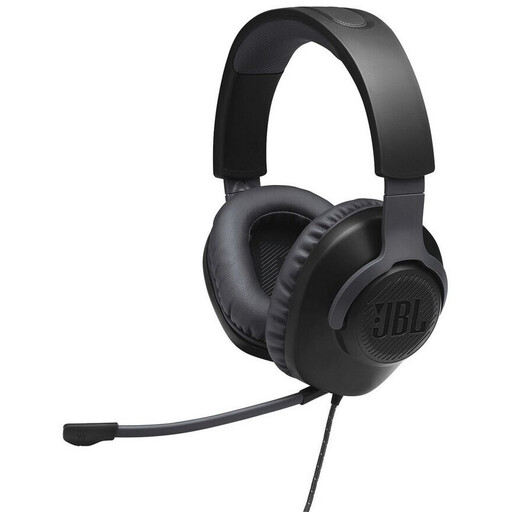
JBL Quantum 100 over-ear headset
A wired over-ear gaming headset for anyone looking for a complete headphones-and-microphone setup rather than a lightweight standalone microphone.
The product details list a 3.5 mm connection. Check that the microphone connection works with your recorder or interface.
Joybuy
 No image available
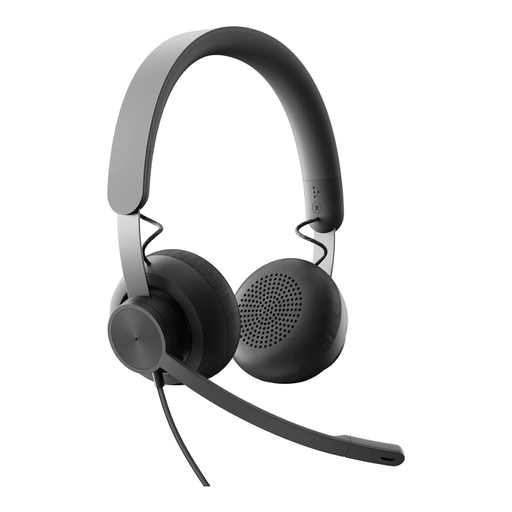
Logitech Business Zone Wired Teams headset
A wired on-ear headset designed for office calls and communication, according to the product description.
The product details list a 3.5 mm connection, as well as volume and control buttons. Check that this connection is compatible with the microphone input in your recording setup.
Joybuy
 No image available
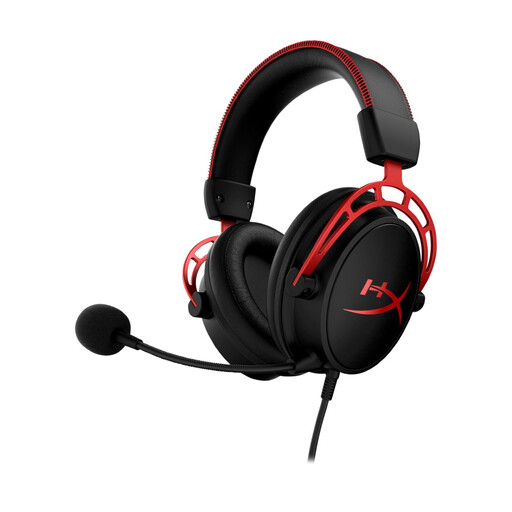
HyperX Cloud Alpha gaming headset
A wired gaming headset with a detachable microphone, if a complete headphones setup suits your recording needs.
The product description lists a 3.5 mm connection, a 1.3 m cable and a 2 m extension cable. Check that your recording device’s microphone input is suitable.
Joybuy
 No image available
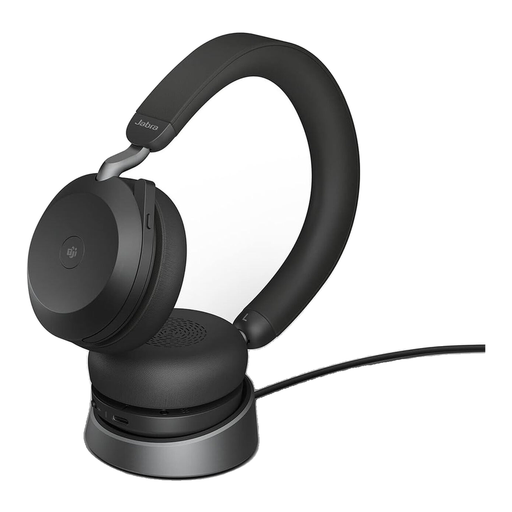
Jabra Evolve2 75 wireless PC headset
A wireless communications headset with an adjustable headband, if its wireless connection works with your recording setup.
The product details list Bluetooth 5.2, USB-C and eight MEMS microphones. Check in advance that your recorder or an intermediary device supports this connection.
Joybuy
Frequently asked questions
Is a headset worn by the storyteller enough for an interview?
Not if you also need to capture the questions clearly and reliably. Plan a suitable, separate recording path for the second voice, and test both microphones at the actual speaking distances before you start.
How should I adjust a neckworn microphone for a long recording?
For Sennheiser’s HSP 2, the instructions say to slide the microphone arm through the clips until the capsule sits 2 to 3 cm from the corner of your mouth. Don’t bend the arm to adjust it. For other models, follow the relevant instructions and make sure the fit works for the storyteller.
Is a windscreen enough for recording in the garden?
You can’t tell from the accessory alone. Check that the windscreen is compatible with the specific microphone variant, then make a test recording in similar wind conditions and with the head movements you expect to make.
Can I record and publish conversations in a shared garden?
§ 201 StGB covers the unauthorised recording of privately spoken words and making such recordings accessible to others. Before the interview, check that you’re authorised to record. Any later publication and the processing of personal data need to be considered separately. The Federal Commissioner for Data Protection and Freedom of Information explains that processing requires a legal basis, and that consent used as such a basis must be informed and voluntary. Whether a particular garden conversation counts as private, and which legal basis applies to a project, depends on the circumstances.
Can I use any wireless headset in Germany without registering it?
No, there’s no blanket answer. The Federal Network Agency describes general frequency allocations that can be used without registration and free of charge, subject to the specified conditions. Check the frequency band and operating conditions of the specific wireless system. The general allocation issued in December 2025 for 174 to 230 MHz is valid until 31 December 2035 and doesn’t guarantee interference-free operation.


