
Lieferung heute & morgen

Qualitätsgarantie

Willkommens-Angebote freischalten: KOSTENLOSE Lieferung | Bis zu 80 % RABATT | Kostenlose 30-Tage-JoyPlus-Testphase
App herunterladen
Health devices for home use can help you document key health metrics regularly and identify changes at an early stage. Whether you are looking for a blood glucose meter, upper-arm blood pressure monitor, digital thermometer, body fat scale, or fitness tracker, the most important factor is not the longest feature list, but the right combination of measurement method, ease of use, and ongoing costs.
Many poor purchases result from three common pitfalls:
For medically oriented devices, the measurement method should be clearly explained. An upper-arm blood pressure monitor is generally used differently from a wrist model. The cuff must fit the circumference of the arm and be positioned correctly during measurement. A cuff that is too small or incorrectly positioned can affect the results.
With a blood glucose meter, important factors include the required blood sample volume, measurement time, memory capacity, and availability of compatible test strips. Specifications such as a blood volume of 0.6 µl or a result displayed within five or ten seconds are technical product details, not a guarantee of individual measurement quality. The instructions should be read in full before first use.
A digital thermometer should have a clear display, an audible signal, and a suitable measuring tip. The Treesmile T11 is specified with a resolution of 0.1 °C; the manufacturer states different tolerances depending on the temperature range. According to the product information, the result should be treated as a reference.
The purchase price is only one part of the total cost. Before placing your order, check the following:
For example, the Sinocare test strip set includes 50 test strips and 50 lancets. According to the product description, the strips can only be used with the Safe-Accu 2 blood glucose meter. The stated usage period after opening must also be observed.
For seniors and families, large displays, one-button operation, and stored readings are often more important than additional analysis features. A device should stand securely, be easy to clean, and provide clear warning messages.
For fitness trackers and smartwatches, app permissions, synchronisation, and data privacy are also important considerations. Check which data is collected, whether the app is required on an ongoing basis, and how long the battery lasts in the intended usage mode. Features such as sleep tracking, SpO2 measurement, and heart-rate monitoring should not automatically be equated with medical monitoring.
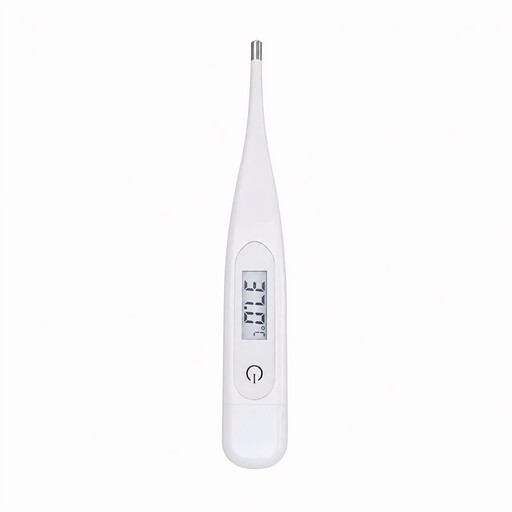
Why this product suits the profile: The compact pen-style design is made for use at home and on the go. The display can switch between °C and °F, while an audible signal indicates when the measurement is complete.
It focuses on the core function rather than unnecessary extras. The mercury-free design reduces the need to handle potentially problematic materials.
0.1 °C display resolution, audible alarm, LR41 battery operation, and a measurement range from 32.0 °C to 42.9 °C according to the product specifications.
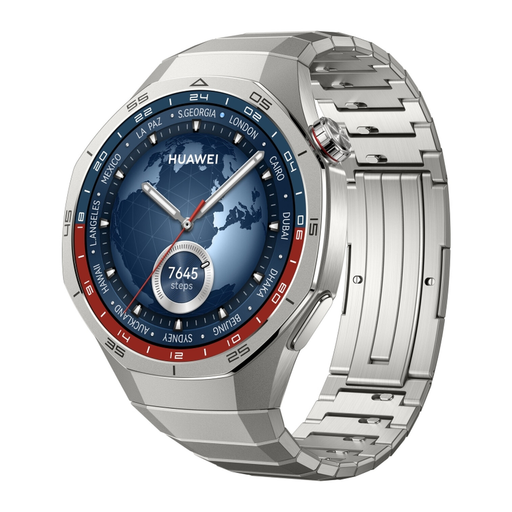
Why this product suits the profile: Users who want to combine sport, notifications, and wellness data in one device get an AMOLED display, GPS, Bluetooth calling, and the HUAWEI Health app for iOS and Android.
The product specifications state its compatibility, charging method, 5 ATM water resistance, and the fact that its health features do not replace medical advice.
1.43-inch AMOLED display with 466 × 466 pixels, integrated GPS, sleep and heart-rate features, and a stated battery life of up to 14 days.
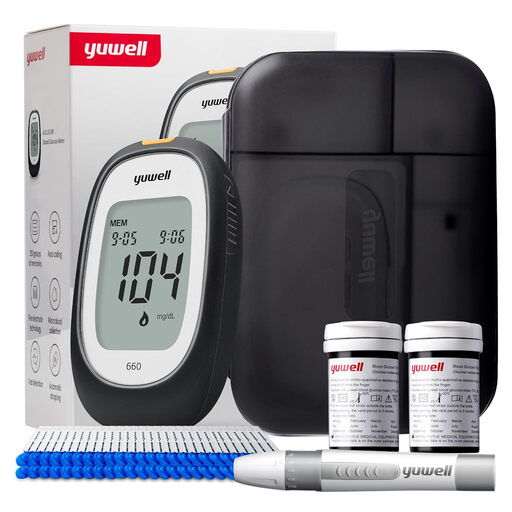
Why this product suits the profile: For regular self-testing, the set includes a blood glucose meter, test strips, lancets, lancing device, batteries, case, and instructions.
The test strips’ model-specific compatibility is clearly stated. This makes it possible to verify that the consumables are genuinely compatible before reordering.
Memory for up to 500 readings, along with average readings for 7, 14, 30, 60, and 90 days according to the product description.
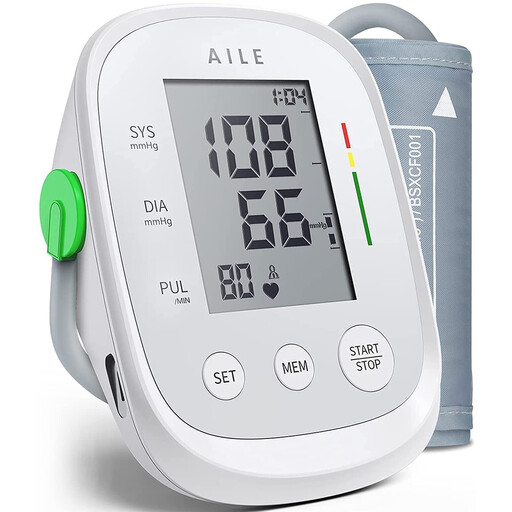
Why this product suits the profile: The 22 to 42 cm upper-arm circumference range and two user profiles are well suited to households where several people want to document their readings.
The cuff dimensions can be checked before purchase. USB and battery operation are also listed separately; according to the included-items information, batteries are not included.
Up to 198 stored readings, 99 per user, plus an average display for the last three measurements according to the product specifications.
We have compiled a complete, regularly updated list of products that fully meet these strict selection criteria and the safety regulations applicable in the EU.
Regardless of the device, how it is used determines how meaningful the recorded data will be. For blood pressure measurements, a relaxed seated position with the arm supported is recommended. Measure under similar conditions whenever possible, and note any relevant circumstances such as exercise, stress, or caffeine consumption.
A body fat scale should be placed on a hard, level, and dry surface. Carpets and wet tiles can affect both measurements and stability. Body composition readings may vary depending on hydration, time of day, and body contact. For tracking progress, a consistent routine is more useful than focusing on a single result in isolation.
With a smartwatch or fitness tracker, the strap should fit snugly without becoming uncomfortable. For the REDMI Watch 6 Active, it is recommended that the watch be worn approximately one finger’s width above the wrist bone. A loose fit or intense movement can affect heart-rate measurements. An IP68 rating does not automatically mean that the model is suitable for swimming, saunas, or hot showers; the manufacturer’s specific instructions are authoritative.
For many households, a digital thermometer and a suitable blood pressure monitor provide a practical foundation. In cases of diabetes or on medical recommendation, a blood glucose meter with compatible blood glucose test strips may be added. Body fat scales, smartwatches, and fitness trackers are particularly useful for long-term tracking of weight, activity, sleep tracking, or heart-rate data.
Lifespan depends on usage, batteries, rechargeable cells, cleaning, and storage. Consumables such as test strips have an expiration date or usage window after opening. For smartwatches and scales, you should also consider app support, firmware updates, and spare parts. Store measuring devices in a dry place, and stop using damaged cuffs, cables, or glass surfaces.
A smartwatch with health-monitoring features or a fitness tracker provides wellness and fitness data, such as heart rate, SpO2, or sleep information. These readings can support personal observation, but they do not replace medical measurement, diagnosis, or treatment. If you experience concerning symptoms or repeatedly unusual readings, seek medical advice.