
Lieferung heute & morgen

Qualitätsgarantie

Willkommens-Angebote freischalten: KOSTENLOSE Lieferung | Bis zu 80 % RABATT | Kostenlose 30-Tage-JoyPlus-Testphase
App herunterladen
Finding a healthy breakfast cereal can often be a complicated task. The packaging makes big promises, but a close look at the ingredients list and nutritional information is crucial. This guide is designed to help you identify products that fit a conscious lifestyle. We focus on objective criteria like sugar content, fibre, and whole-grain percentage to provide you with a solid basis for making an informed decision on your next purchase.
To find the right cereal for your needs, it's helpful to understand a few key metrics. The following points serve as a guide, whether you're in the supermarket aisle or shopping online.
Many cereals contain more sugar than you might expect. A look at the nutrition table per 100 grams is more revealing than the per-serving information, as portion sizes can vary widely. Products advertised as reduced-sugar muesli or low-sugar muesli are often compared to the average for similar products. According to EU guidelines, a product with less than 5 grams of sugar per 100 grams is considered "low sugar." Products with up to 10 grams of sugar can also be a good choice, depending on your diet.
High-fibre cereals and whole-grain muesli are terms that indicate a higher nutrient density. Whole grain means the entire grain kernel has been processed, which ensures the retention of fibre, vitamins, and minerals. Products are considered "high in fibre" if they contain at least 6 grams of fibre per 100 grams. These contribute to longer-lasting satiety and support digestion.
For individuals with coeliac disease or gluten sensitivity, choosing gluten-free cornflakes or other gluten-free cereals is essential. Look for clear labelling and certification on the packaging. However, gluten-free does not automatically mean a product is also low in sugar or high in fibre. Therefore, checking the nutritional values remains important.
Based on the criteria mentioned above, we have compiled a selection of products that cater to different needs.
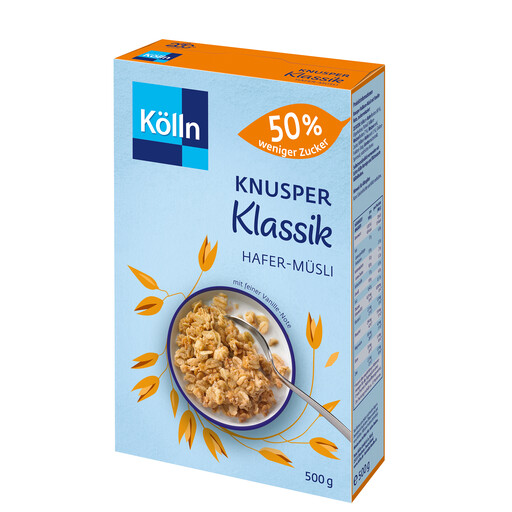
Why it stands out: This crunchy muesli from K?lln is aimed at anyone who loves that "crunch" but wants to watch their sugar intake. According to the manufacturer, it contains 50% less sugar than other classic crunchy mueslis. The base of baked whole-grain oat flakes provides a pleasant texture.
Objective features:
Who is it for? For individuals and families looking for a crunchy and flavourful muesli that has a reduced sugar content compared to many alternatives. It's a great option for anyone who values a high fibre content.
View Product: K?lln Crunchy Oat Muesli
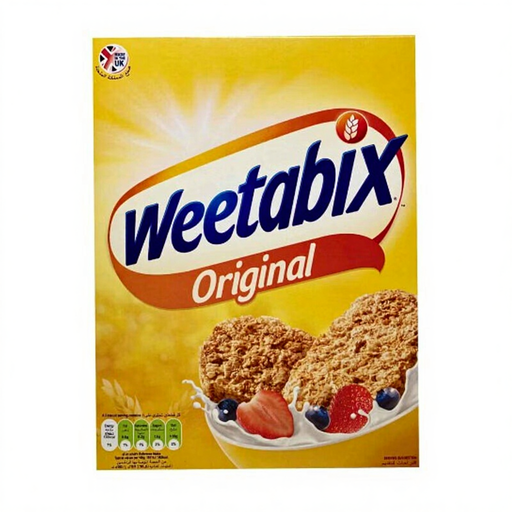
Why it stands out: Weetabix is a classic that stands out for its minimalist recipe. The cereal consists of 95% whole-grain wheat and is pressed into its signature biscuit shape. It offers a neutral base that can be customised with fruits or nuts.
Objective features:
Who is it for? Ideal for health-conscious individuals who want maximum control over their breakfast's sugar content. Its mild flavour makes it versatile and a solid foundation for a nutritious breakfast.
View Product: Weetabix Breakfast Cereal
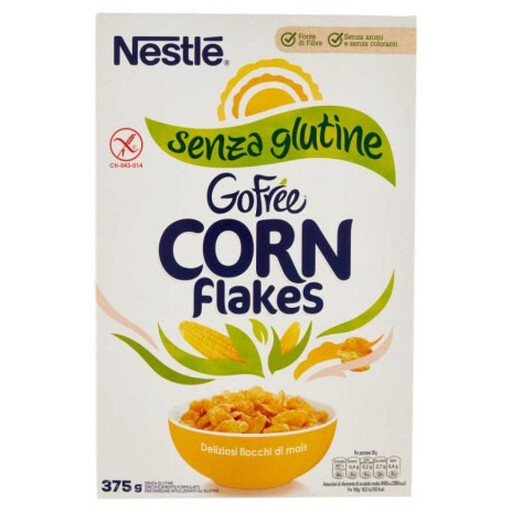
Why it stands out: These cornflakes from Nestlé offer the classic taste and familiar crunch but are specially formulated for a gluten-free diet. They are based on corn flour and are a safe choice for people with gluten intolerance.
Objective features:
Who is it for? Primarily for people with coeliac disease or gluten sensitivity who don't want to miss out on the classic cornflake taste. It is also a practical option for families where one member must follow a gluten-free diet.
View Product: Nestlé Gluten-Free Corn Flakes
The products presented here already cover a wide spectrum. However, if you are looking for other flavours, more brands, or more specific organic products, it's worth taking a look at our entire range.
Discover a wider variety in our Breakfast Cereals category.
1. What truly makes a breakfast cereal healthy? A healthy breakfast cereal is characterized by a combination of a high whole-grain content, a high fibre content (at least 6 g/100 g), and a low sugar content (ideally under 10 g/100 g). A short ingredients list without many artificial additives is also a positive sign.
2. Are gluten-free cornflakes automatically healthier? Not necessarily. "Gluten-free" is an important characteristic for people with a related medical need. For everyone else, it is not a general health attribute. Gluten-free products can sometimes contain even more sugar or fat and less fibre than their gluten-containing counterparts to improve taste and texture. A comparison of the nutritional information is therefore always advisable.