
Lieferung heute & morgen

Qualitätsgarantie

Willkommens-Angebote freischalten: KOSTENLOSE Lieferung | Bis zu 80 % RABATT | Kostenlose 30-Tage-JoyPlus-Testphase
App herunterladen
By Joybuy Product Recommendation Officer, 30 August 2026
The variety of dog chews is enormous, and the packaging often makes the same promises: a healthy reward, long-lasting entertainment, and support for dental health. But not every chew lives up to its claims. Many dog owners invest in products that turn out to be unsuitable or even problematic for their pet's health. Before you make a decision, it's crucial to understand the most common pitfalls.
The two biggest mistakes when buying dog chews are:
To find a suitable and safe dog chew, you should check three core parameters. These will help you objectively assess a product's quality and see through marketing promises.
A clear and understandable ingredient list is the most important quality indicator. Look for the following:
The ideal dog chew is hard enough to provide extended entertainment and contribute to dental care through mechanical abrasion, but not so hard that it could damage the dog's teeth.
The processing method has a major impact on nutritional value and digestibility. Gentle air-drying is often the preferred method, as it preserves nutrients and avoids the need for artificial preservatives. Products made in the EU are generally subject to stricter controls regarding raw material quality and production standards.
Based on the criteria above, we have identified a few products that are suitable for different needs and types of dogs.
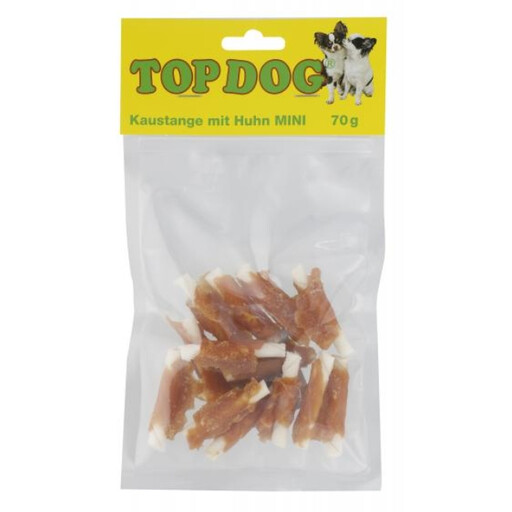
Why This Fits Their Persona: Ideal for smaller dog breeds or as a quick reward. The size and hardness are designed not to be overwhelming, yet still provide a satisfying chewing experience.
The declaration is clear: 49.8% chicken breast and 48.0% rawhide. There are no vague descriptions or hidden fillers. The size is specifically tailored for small dogs, minimising the risk of them being overwhelmed or losing interest.
Very high crude protein content (63.0%) with low fat (3.0%). The combination of tasty chicken and tough rawhide ensures high acceptance and a reasonable chewing duration.
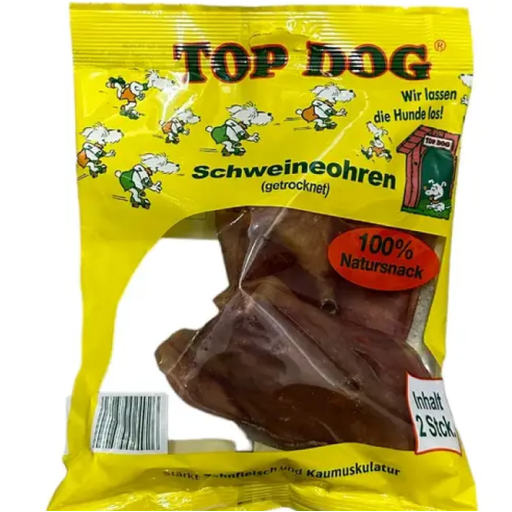
Why This Fits Their Persona: For dog owners looking for a proven, pure, and long-lasting chew. Pig ears are a traditional chew treat that is well-accepted by most dogs and promotes natural enrichment.
This product bypasses the "natural" trap through maximum transparency: the ingredient list consists of just one item – 100% pig ears. It contains no artificial additives, colourings, or preservatives.
A pure, natural product that promotes dental health through intensive chewing and can help reduce stress. Suitable for a wide range of dog breeds and sizes.
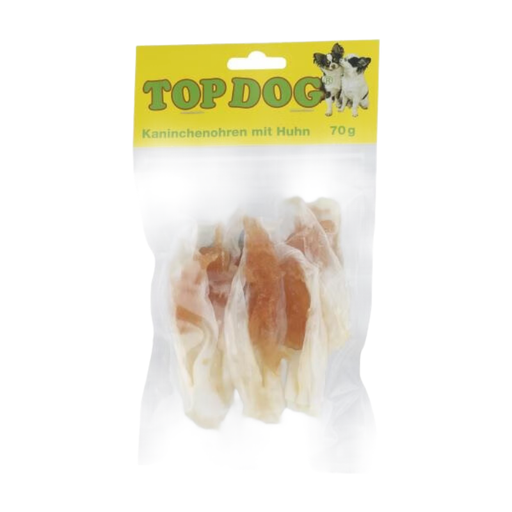
Why This Fits Their Persona: An excellent option for dogs prone to food intolerances. Rabbit is considered a hypoallergenic protein source and is often well-tolerated even by sensitive stomachs.
The ingredient list is precise and short: 65.5% rabbit ear and 31.3% chicken. It avoids common allergens like beef, grain, or dairy, making it an easier choice for sensitive dogs.
Easily digestible and suitable for all age groups. The high protein content (40%) supports nutrient supply, while the tough consistency strengthens the jaw muscles.
We have compiled a complete, real-time list of products that fully satisfy these strict selection criteria and UK safety regulations.
Chews should be considered a supplement to your dog's main meal, not a replacement for it. The frequency depends on the dog's size, activity level, and the calorie content of the snack. A common recommendation is to feed chews in moderation, perhaps a few times a week, and to reduce the daily food ration accordingly to prevent weight gain.
Yes, but the selection must be made carefully. Teething puppies have a strong need to chew, but their teeth are not yet as robust as an adult dog's. Choose softer chews specifically labelled for puppies. Avoid extremely hard products like antlers or very thick rawhide bones. Always supervise your puppy when they have a chew.
For food allergies, single-protein snacks are the safest choice. This means the snack contains only one animal protein source. Look for products made from more novel proteins like horse, goat, kangaroo, or rabbit, to which the dog is unlikely to have been sensitised. Read the ingredient list extremely carefully to ensure there are no hidden allergens.