
Lieferung heute & morgen

Qualitätsgarantie

Willkommens-Angebote freischalten: KOSTENLOSE Lieferung | Bis zu 80 % RABATT | Kostenlose 30-Tage-JoyPlus-Testphase
App herunterladen
As a responsible dog owner, you want to ensure your loyal companion gets only the food that promotes their health and vitality. However, the dog food market is crowded and full of marketing promises. Many products advertised as healthy don't stand up to closer scrutiny. This guide will help you identify the most common pitfalls and make an informed decision about your dog's nutrition.
Before we turn to quality features, it's important to see through the most common marketing strategies that often promise more than they deliver.
To make the right choice, you should focus on objective criteria. The following three points are crucial for a food's quality.
The ingredient list is ordered by weight in descending order. This means the first ingredient listed is the most abundant. You can identify a high-meat dog food when one or more specific types of meat (e.g., chicken, beef, lamb) are at the top of the list. Look for an open declaration that specifies exactly which parts of the animal were used (e.g., "chicken meat," "lamb protein (dried)").
A protein-rich dog food is important for muscle development and overall health. The protein source should be high-quality and easily digestible. Fresh meat or high-quality meat meal are preferable here. Special needs require adapted formulas. For instance, puppy food needs a different nutrient profile for healthy growth than food for adult dogs. For dog food for sensitive stomachs, easily digestible proteins (e.g., poultry or lamb) and well-tolerated carbohydrates are often key.
Some additives can specifically support health. These include:
Based on the criteria mentioned, we have compiled a few products for different requirements and life stages.
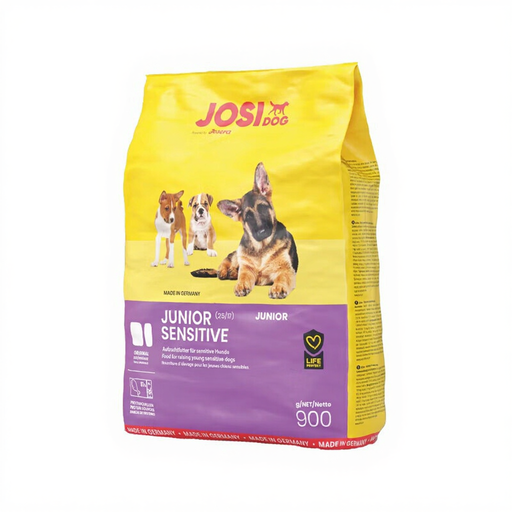
Why This Fits Their Persona: This food is specially designed for puppies from eight weeks of age with sensitive digestion. It offers a balanced nutrient composition tailored to the needs of growing young dogs.
The formula is gluten-free and contains no sugar, soy, or artificial colours, flavours, and preservatives. This avoids the trap of vague "natural" promises with a clear, minimalist composition.
Contains prebiotic inulin to support healthy digestion. The balanced calcium-phosphorus ratio promotes strong bone development.
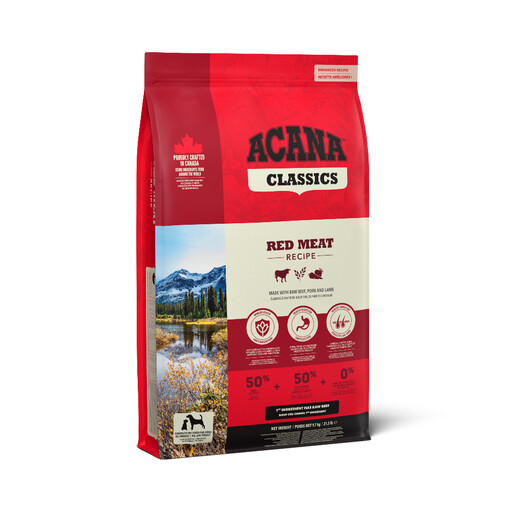
Why This Fits Their Persona: For owners who place the highest value on transparent sourcing and a high, diverse meat content. The formula is based on the "WholePrey" principle, which combines meat, organs, and cartilage in natural proportions.
This food avoids the trap of vague declarations with an extremely detailed ingredient list. It names specific meat types like Angus beef, Yorkshire pork, and grass-fed lamb, ensuring maximum transparency.
High protein content of 29% from various animal sources. Contains low-glycemic oats to support stable blood sugar levels instead of potatoes or corn.
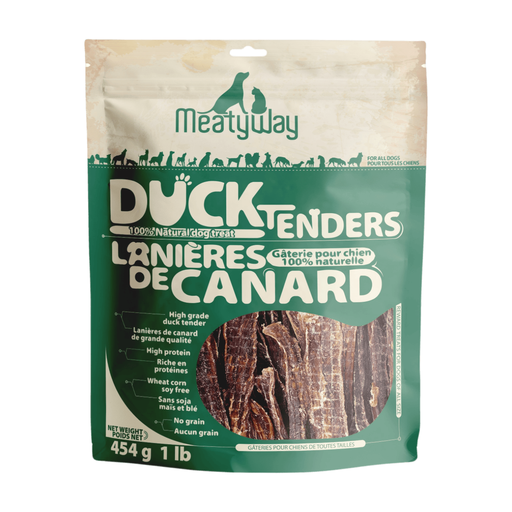
Why This Fits Their Persona: Ideal for dog owners who refuse to compromise on quality, even when it comes to dog snacks and dog treats. Perfect as a training reward or a healthy chew between meals.
According to the manufacturer, this snack consists of just one ingredient: 100% duck breast. It is free from grains, fillers, and artificial additives, making it a transparent and pure reward.
Very high protein content (at least 30% according to analysis) with a moderate fat content. The soft texture makes the snack easy to chew and simple to break into smaller pieces for training.
We have compiled a comprehensive, up-to-date list of products that fully meet these strict selection criteria and UK regulations.
A food transition should always be done gradually to avoid digestive issues. Over a period of 7 to 10 days, mix a slowly increasing amount of the new food with the old food until you have completely replaced it. Watch your dog closely during this time.
Not necessarily. Grain-free is primarily relevant for dogs with a diagnosed grain allergy or intolerance. For most dogs, high-quality, well-processed grains like oats or rice are a good, digestible source of energy. The overall quality of the ingredients and the transparency of the declaration are more important than the absence of grain.
A high-quality dog snack is characterized by a short and understandable ingredient list. Ideally, it consists of pure meat (air-dried or freeze-dried) without sugar, artificial additives, or undefined fillers. Here too, look for an open declaration that specifies exactly what is in the snack.