
Lieferung heute & morgen

Qualitätsgarantie

Willkommens-Angebote freischalten: KOSTENLOSE Lieferung | Bis zu 80 % RABATT | Kostenlose 30-Tage-JoyPlus-Testphase
App herunterladen
As a responsible dog owner, you want only the best for your four-legged friend. That also applies to the little rewards you give them. However, the dog snack market is overwhelming and full of marketing promises. Many products advertised as healthy contain hidden pitfalls that are not beneficial to your dog's health.
This guide helps you cut through the noise. We'll show you what pitfalls to look out for and which criteria truly matter for identifying high-quality and healthy dog snacks.
Before we dive into quality criteria, it's important to know the most common marketing traps that often lead to poor choices.
To make an informed decision, you should check three key aspects: the composition, the analytical constituents, and the intended use.
The ingredients list (declaration) is the most important tool for evaluating a snack. The ingredients are listed in descending order by weight.
The analytical constituents provide information about the snack's nutritional value. Two values are particularly relevant:
Distinguish between snacks for training and those for enrichment.
Here are some recommendations based on the criteria above, tailored to different profiles.
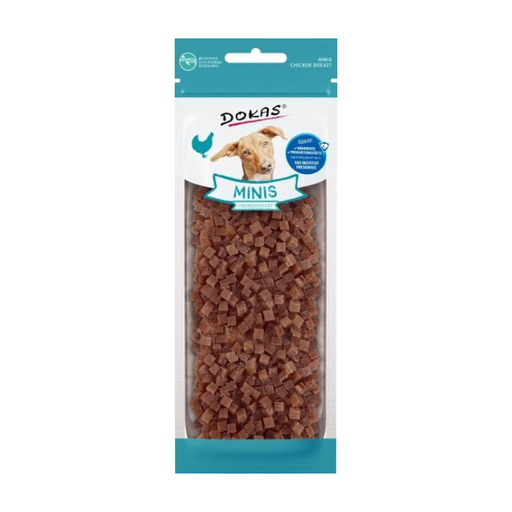
Why It's a Match: These small, bite-sized pieces are ideal for frequent rewards during training. They are consumed quickly and don't distract the dog for long, which maintains the training flow.
Instead of empty calories from fillers, these minis consist of 91% chicken breast fillet, according to the manufacturer. They offer a functional reward packed with valuable protein.
High palatability due to pure meat flavour; small size is perfect for frequent rewards without excessive calorie intake.
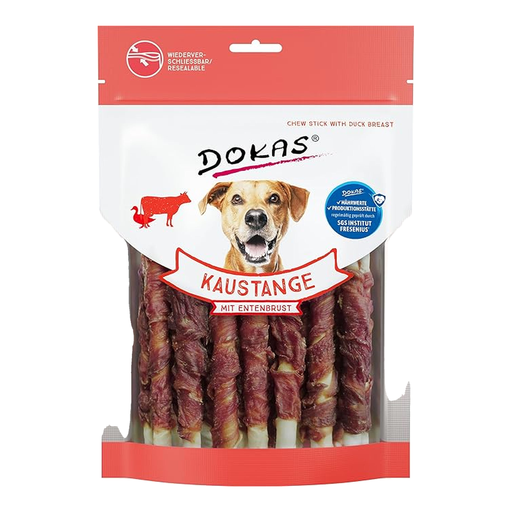
Why It's a Match: The combination of tough rawhide and tasty duck breast fillet offers a robust, long-lasting chewing experience that satisfies their natural chewing instinct.
Unlike soft treats that are gone in seconds, this chew provides extended activity. The intense chewing action helps mechanically clean the teeth.
Very high protein content (83.4% crude protein) and promotes dental care through prolonged chewing. Free from artificial additives, according to the manufacturer.
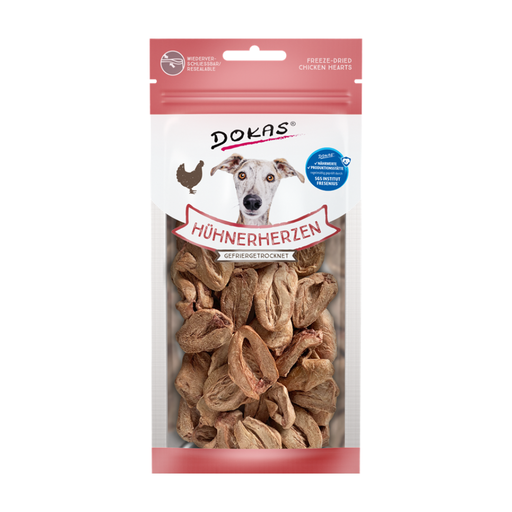
Why It's a Match: With an extremely short ingredients list (99.5% chicken hearts), this snack is ideal for dogs with food sensitivities. The gentle freeze-drying process preserves nutrients and flavour.
This product consistently avoids the trap of hidden allergens. It is free from grain, soy, gluten, and added sugar. The single protein source also makes it suitable for elimination diets.
Single-protein snack with a very high protein content (73.8% crude protein). Freeze-drying ensures maximum nutrient retention and intense flavour.
We have compiled a complete, up-to-date list of products that fully meet these strict selection criteria and all relevant regulations.
1. How many healthy dog snacks are allowed per day? A common rule of thumb is that treats should not make up more than 10% of a dog's daily calorie intake. It's important to reduce the amount of their main food accordingly to prevent weight gain. The feeding guidelines and energy value (kcal) on the snack's packaging provide a good reference.
2. Are grain-free dog snacks inherently better? Not necessarily for every dog. For dogs with a diagnosed grain allergy or intolerance, they are essential. However, many healthy dogs tolerate high-quality grains well in moderation. The overall quality and transparency of the ingredients list are more crucial than simply being grain-free. A snack with high-quality meat and no sugar is preferable to a grain-free snack with low-quality fillers.
3. How can I identify high-protein dog snacks? A look at the "Analytical Constituents" on the packaging will tell you. A high value for Crude Protein (often over 50%) indicates a high-protein snack. Additionally, check the ingredients list: if a high-quality, specific meat source is listed first, it's another sign of high and good-quality protein content.