
Lieferung heute & morgen

Qualitätsgarantie

Willkommens-Angebote freischalten: KOSTENLOSE Lieferung | Bis zu 80 % RABATT | Kostenlose 30-Tage-JoyPlus-Testphase
App herunterladen
As a Product Recommendation Officer at Joybuy, I see every day how many dog owners are uncertain when choosing dog treats. The market is vast, and packaging often promises more than the ingredients deliver. An ill-considered choice can not only strain your wallet but also compromise your dog's health. The goal of this guide is to provide you with objective criteria to help you make an informed decision.
Before we delve into quality characteristics, it's important to recognise the most common marketing traps. Many products are designed to appeal to the owner, not the dog.
To separate the wheat from the chaff, you should check three key aspects before buying. These will help you objectively assess a product's quality.
The foundation of healthy treats for dogs is a transparent and high-quality ingredients list.
Not every treat is suitable for every situation. The choice should depend on the intended use.
Based on the criteria mentioned, we have identified some products that are suitable for specific requirement profiles.
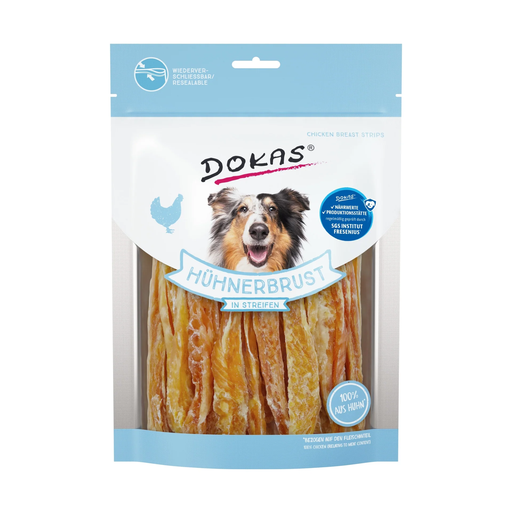
Why this product is a good fit: Ideal for owners who value a pure and transparent composition, especially for dogs with food intolerances or allergies.
This product bypasses the trap of vague meat claims with a clear declaration: 93% chicken breast fillet. It contains no hidden sugars, grains, or artificial additives.
The single-protein formula (chicken only) and the absence of grain, soy, and sugar make it a highly digestible reward. The high protein content (57%) and low fat content (3.4%) support a lean physique.
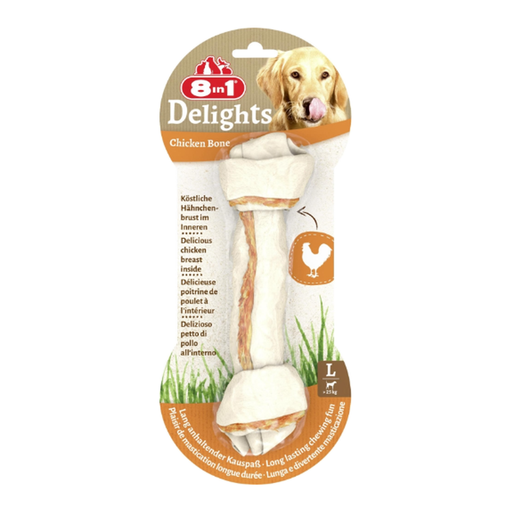
Why this product is a good fit: Designed for owners of large dogs (25 kg and up) who are looking for a long-lasting activity that also supports dental care.
Instead of an empty "dental care" promise, this chew bone offers a tangible mechanical effect. The tough combination of 70% rawhide and 25% chicken breast encourages extensive chewing, which helps to abrade dental plaque.
The formula is high in protein (88%) and low in fat (2.2%). It is free from sugar, artificial flavours, GMOs, and gluten, making it a nutritious activity.
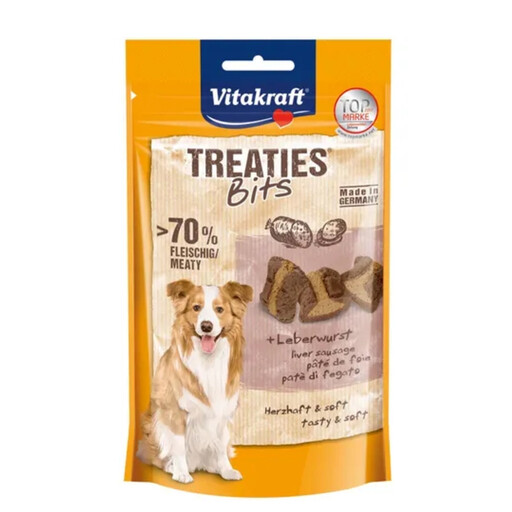
Why this product is a good fit: Perfect for dog owners and trainers who need a tasty, juicy, and quick-to-feed reward for positive reinforcement during training.
Instead of relying on empty calories, this snack is based on a high meat content of 75.5% meat and animal derivatives. The formula is also sugar-free and grain-free, counteracting the "health" trap.
The juicy texture and savoury flavour ensure high acceptance from dogs. The small, bite-sized pieces are ideal for frequent rewards without filling the dog up or distracting from training.
We have compiled a complete, up-to-date list of products that fully meet these strict selection criteria and regulatory standards.
1. How many treats can a dog have per day? A common rule of thumb is that treats should not make up more than 10% of a dog's total daily calorie intake. The exact amount depends on the dog's size, age, activity level, and the calorie content of the snack. Always check the feeding recommendations on the packaging and adjust the main meal accordingly to prevent weight gain.
2. Are grain-free dog treats always the better choice? For dogs with a diagnosed grain allergy or intolerance, grain-free snacks are a necessity. For most healthy dogs, however, grain in moderation is not inherently harmful. More important than simply avoiding grain is the overall quality of the ingredients. A snack with a high meat content and no sugar or artificial additives is preferable to a grain-free product with low-quality substitutes.
3. How can I identify high-quality chews for dogs? High-quality chews ideally consist of a single ingredient, such as 100% rawhide, rabbit ears, or beef scalp. They should be gently air-dried to preserve nutrients and be free from chemical bleaching agents, binders, or artificial flavours. A natural colour and a light, species-typical scent are often signs of an unprocessed, natural product.