
Lieferung heute & morgen

Qualitätsgarantie

Willkommens-Angebote freischalten: KOSTENLOSE Lieferung | Bis zu 80 % RABATT | Kostenlose 30-Tage-JoyPlus-Testphase
App herunterladen
With so many options on the market, finding healthier alternatives to classic white rice can be a challenge. Terms like whole grain rice, low-carb rice, or konjac rice often raise more questions than they answer. This guide is designed to provide clarity and help you make an informed purchasing decision that aligns with your dietary goals. As your Joybuy Product Recommendation Officer, I have compiled objective information and product features to make your choice easier.
To find the right type of rice for your needs, it helps to understand a few basic criteria. Here are three key points to guide your decision.
The most significant difference between white rice and healthier alternatives like brown rice or whole grain rice lies in the degree of processing. In whole grain varieties, the outer hull (bran) and the germ are preserved. These components contain the majority of the nutrients, especially fibre, vitamins (particularly B vitamins), and minerals like magnesium. A high-fibre rice contributes to prolonged satiety and can support digestion. Therefore, pay close attention to the nutritional information, especially the fibre and protein content.
For individuals following a low-carb diet or looking to manage their weight, the carbohydrate and calorie content is crucial. Specialty alternatives are excellent options here:
Different rice varieties have distinct cooking properties and textures. Long-grain brown rice tends to remain fluffy and separate after cooking, while short-grain rice becomes stickier. Some varieties, such as certain whole grain types, benefit from being soaked before cooking to achieve a softer texture. Follow the preparation instructions on the packaging to achieve the desired result.
Based on objective product features, we have curated a selection of different rice varieties that cater to various dietary needs.
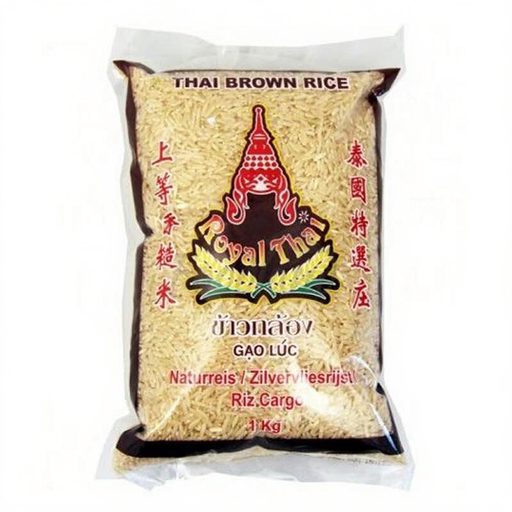
Why It Stands Out This Thai long-grain brown rice is a classic whole grain rice distinguished by its high fibre content. It is unpolished, which means its nutrient-rich bran layer is preserved.
Benefits
Who It's For This rice is an excellent choice for anyone looking for a straightforward and nutrient-dense replacement for white rice. It is suitable for the daily healthy diet of individuals and families.
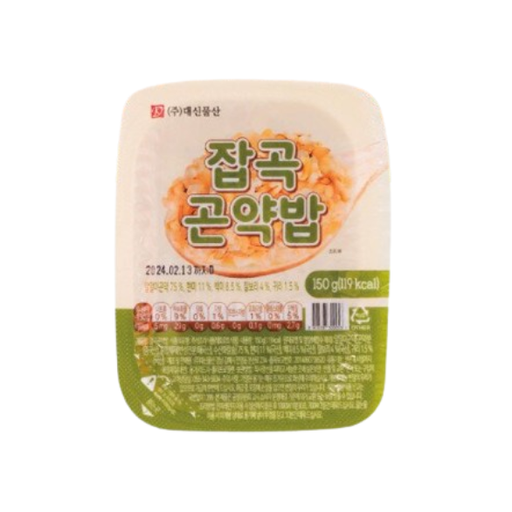
Why It Stands Out This blend combines Konjac Rice with whole grains like brown rice, barley, and oats. The result is a very low-calorie and low-carb alternative that is suitable for special diets and is also quick to prepare.
Benefits
Who It's For Ideal for individuals following a low-carb diet, looking to reduce their calorie intake, or seeking a quick meal for the office. A great option in the rice for weight loss category.
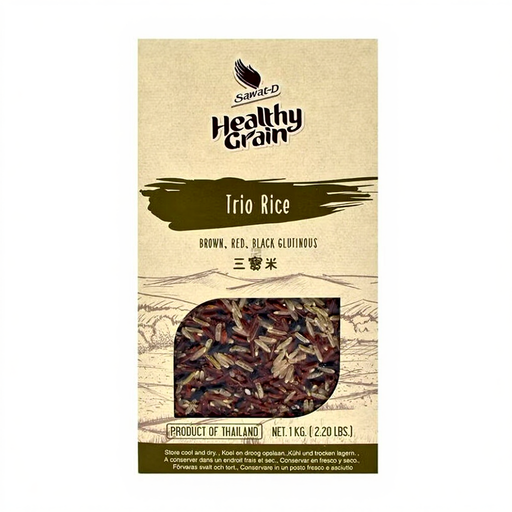
Why It Stands Out This multigrain rice blend of brown, red, and black rice offers not only an appealing look but also a complex texture and a nutty aroma. Each rice variety contributes its own characteristic nutrients.
Benefits
Who It's For For anyone who appreciates variety on their plate and is looking for a nutrient-rich side dish with a special texture and colour. Perfect for salads, bowls, or as a visual highlight for main courses.
Our featured selection already covers a broad spectrum. However, if you wish to discover more varieties tailored to your specific preferences, you can find additional products in our Brown Rice category.
Discover our full range of brown rice here.
1. What is the difference between brown rice and whole grain rice? Generally, the terms brown rice and whole grain rice are used interchangeably. Both refer to unhulled rice where the nutrient-rich bran layer and germ are still intact. This distinguishes them from white rice, from which these layers have been removed.
2. Is Konjac Rice a good alternative to conventional rice?Konjac rice is a very specific alternative. It consists mainly of water and the dietary fibre glucomannan from the konjac root, which is why it contains almost no calories or carbohydrates. Its texture is gel-like and significantly different from conventional rice. It is well-suited for individuals on a ketogenic or very low-calorie diet, but it is not comparable to grain-based rice in terms of taste and consistency.
3. How should I store healthy rice to maintain its freshness? Unlike white rice, whole grain rice contains natural oils in its germ that can go rancid. Therefore, store it in a cool, dry, and dark place. After opening the package, it is advisable to transfer the rice into an airtight container. This will keep it fresh for several months. For an even longer shelf life, it can also be stored in the refrigerator.