
Lieferung heute & morgen

Qualitätsgarantie

Willkommens-Angebote freischalten: KOSTENLOSE Lieferung | Bis zu 80 % RABATT | Kostenlose 30-Tage-JoyPlus-Testphase
App herunterladen
Damp laundry hanging around your home for days, an overflowing drying rack, or constantly being at the mercy of the weather—drying clothes can be a challenge. Whether you live in a small apartment or manage a large family household, the question of the right drying solution will come up sooner or later. From a simple clothesline to a state-of-the-art heat pump dryer, there are numerous options available.
This guide is designed to help you understand the different possibilities and make an informed decision that suits your needs and budget. We will introduce you to various approaches and selected products to make your search for the perfect solution easier.
Choosing the right appliance depends on several factors. Before you buy a tumble dryer, consider the following points to make a choice you'll be happy with for years to come.
The most common types of electric dryers on the market are condenser dryers and heat pump dryers.
The size of your household determines the capacity you'll need.
The noise level, measured in decibels (dB), is a crucial factor, especially in apartments or if you plan to run it at night. A quiet tumble dryer has a rating of around 62 dB or less. Look for special anti-vibration designs that further reduce the noise level.
Modern dryers offer more than just standard programmes. For specific requirements, there are useful extra features:
Here is a selection of products that cater to different needs and budgets—from a basic manual solution to a smart, high-tech appliance.
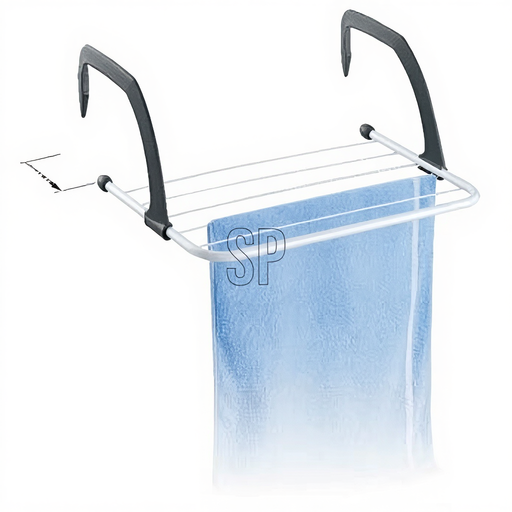
Why it stands out: This 3-metre clothesline is the definition of simplicity and efficiency. It's the classic method for drying laundry without a dryer and remains an extremely practical option for many households. The sturdy iron wire core ensures stability, while the white plastic coating protects both your laundry and the line itself from wear and rust.
Advantages:
Who is it for? Ideal for students, single-person households, or anyone on a tight budget. It also serves as an excellent supplement to an electric dryer for delicate items or on sunny days.
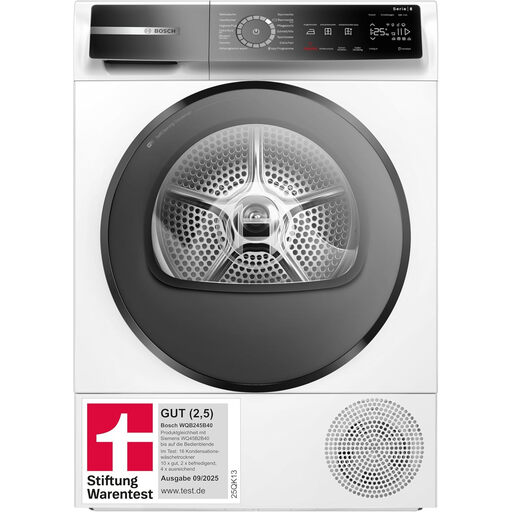
Why it stands out: This model from Bosch combines a top energy efficiency class (A+++) with smart features and a large 9 kg capacity. Its AutoDry technology uses sensors to dry laundry precisely, preventing shrinkage. Thanks to Home Connect, the appliance can be conveniently controlled via an app, while the AntiVibration Design ensures quiet operation, making it a very quiet tumble dryer (61 dB).
Advantages:
Who is it for? Perfect for families and tech-savvy users who value low running costs, high convenience, and gentle care for their laundry. A smart investment for anyone looking to save energy and money in the long run.

Why it stands out: The Comfee' heat pump dryer is aimed at households with special hygiene requirements. According to the manufacturer, the integrated UV light helps to eliminate bacteria and allergens. It is also equipped with a double-layered lint filter, making it an effective tumble dryer for pet hair. With an 8 kg capacity, it fits well into daily family life.
Advantages:
Who is it for? An excellent choice for pet owners, allergy sufferers, and families with young children who place a special emphasis on hygienically clean laundry and are looking for a solution for stubborn pet hair.
The products featured here cover only a small fraction of the available solutions. If you want to compare more models or learn about other appliances for your home, you can find a wider selection in our White Goods category.
1. What is the difference between a heat pump dryer and a condenser dryer? The main difference lies in energy efficiency. A heat pump dryer recycles heat during the drying process, using up to 50% less electricity than a conventional condenser dryer, which heats the air with an energy-intensive heating element. Heat pump dryers are more expensive to buy but save significantly on running costs over the years.
2. How much electricity does a tumble dryer use? Consumption depends heavily on the technology and energy efficiency class. A modern A+++ tumble dryer (under the old labelling system) or one with a very good new energy rating (e.g., A) often consumes less than 2 kWh per drying cycle. In contrast, older condenser dryers with a B or C rating can use 4 kWh or more per load. You can find the exact figures on the EU energy label of each appliance.