What should you look for when buying?
First check whether your planned cotton laundry can be dried in suitable loads, then compare programme duration and energy use for regular use.
The Verbraucherzentrale recommends comparing load capacity, Eco cycle duration and energy use in kWh per 100 Eco cycles. The German Environment Agency points out that choosing the right drum size and using it at its usual capacity are important for energy use per kilogram of washing.
| Buying priority |
What to check when buying |
Who is this important to? |
| Dry laundry in time |
Eco cycle duration and the cotton programme, including its permitted load; allow time for extra cycles if you have several loads. |
If I need the laundry ready by a set arrival time, I need to plan around a suitable cotton programme and any additional cycles. This time pressure is the top priority for around 36% of consumers. |
| Choose the right load size |
Compare the rated capacity and load limit for the selected cotton programme with the amount of laundry you usually have. |
When I have several sets of bed linen and towels to dry, I want to avoid unnecessary extra cycles without choosing a drum that is regularly too large for everyday use. Around 29% of consumers prioritise choosing the right load size. |
| Energy use with frequent drying |
Compare the current EU label and kWh per 100 Eco cycles; don’t compare old A++ ratings directly with the new scale. |
If the tumble dryer runs frequently in winter, energy use over many cycles matters more to me than the duration of one urgent cycle. Running costs are the main concern for around 21% of consumers. |
| Installation and care |
Check the appliance and door dimensions, the intended route for condensate and the care instructions for the exact model. |
Before buying, I want to know whether the appliance will fit in the space available and what care it needs day to day. Around 14% of consumers check installation and care first. |
Joybuy products for cotton and bed linen
These heat pump tumble dryers can handle cotton, bed linen and towel loads, with capacities of 8 or 9 kg. The programmes and information about timing vary by model.
 No image available
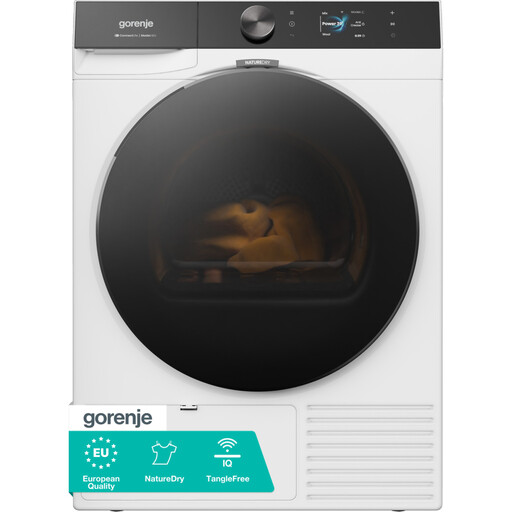
Gorenje DG89BP heat pump tumble dryer, 9 kg
For larger cotton and bed linen loads, Joybuy lists a 9 kg capacity and programmes for cotton, Bedding XL and towels.
The product details also list a half-load option and a delay start.
View at Joybuy
 No image available
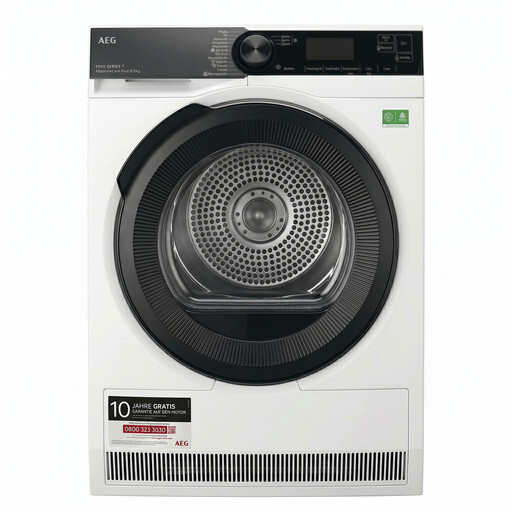
AEG TR9W75780 9000 Series AbsoluteCare, 8 kg, energy class B
If 8 kg suits your cotton and bed linen load, Joybuy lists Cotton and Bedding programmes and ProSense load sensing for this model.
Joybuy lists 85 kWh per 100 cycles and a cycle time of 179 minutes. Before comparing, check which programme and load these figures refer to.
View at Joybuy
 No image available
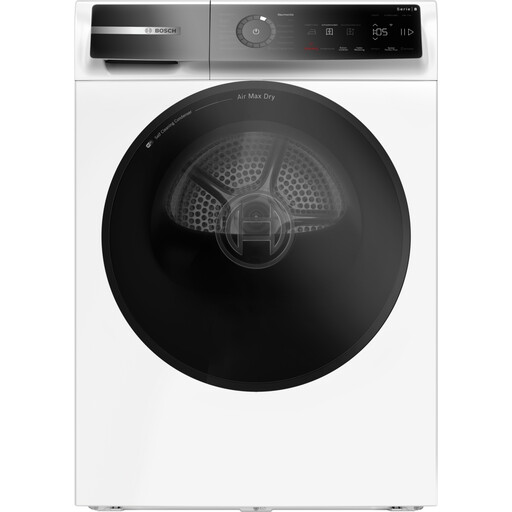
Bosch WRB247C40 heat pump tumble dryer, 9 kg
For larger laundry loads, Joybuy lists a 9 kg capacity and programmes for cotton and bed linen.
The product details list a half-load function, a moisture sensor and a delay start of up to 24 hours. A self-cleaning condenser is also mentioned.
View at Joybuy
 No image available
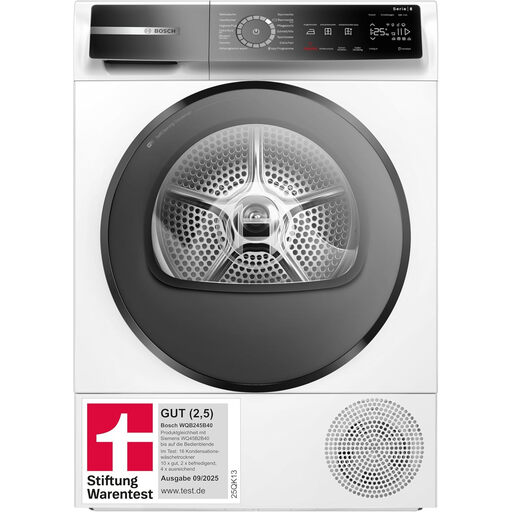
Bosch WQB245B40 Series 8, 9 kg, energy class C
For cotton and bed linen loads, Joybuy lists a 9 kg capacity and Cotton and Bedding programmes.
For a full load on the Eco programme, Joybuy lists a cycle time of 3 hours 15 minutes and energy use of 110 kWh per 100 cycles. A half-load option, remaining time display and delay start are also listed.
View at Joybuy
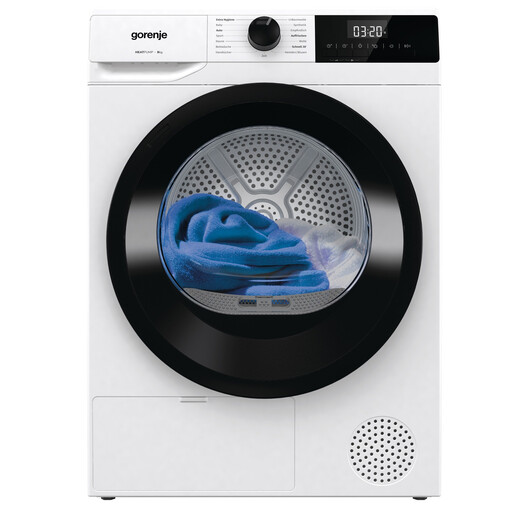 No image available
Gorenje DHNE82 heat pump tumble dryer, 8 kg
If 8 kg suits the amount of laundry you have, Joybuy lists programmes for cotton, Bedding XL and towels.
Joybuy lists an Eco programme duration of 130 minutes and energy use of 119 kWh per 100 cycles. A delay start and remaining time display are also listed; check the conditions behind the energy and time figures before comparing.
View at Joybuy
Frequently asked questions
Can I expect a 40-minute cycle to dry a full load of cotton bed linen?
No, not on the basis of that figure alone. Bosch describes the 40-minute option on the model mentioned as being for small loads of synthetic fibres and lightweight materials. For bed linen, check the suitable cotton programme and its permitted load.
Does a heat pump tumble dryer need an exhaust hose to the outside?
According to the European Commission, a heat pump condenser tumble dryer does not need an exhaust outlet to the outside. Depending on the model, water is collected in a container or drained through a designated outlet; follow the connection and installation instructions for the specific appliance.
How can I reduce drying time before guests arrive?
Spin your laundry as thoroughly as possible before drying, and follow the appliance’s load and care instructions. According to the German Environment Agency, less residual water can reduce drying time and energy use.
Which energy use figures can I compare before buying?
The current EU label shows energy use in kWh per 100 Eco cycles. To work out your own costs, divide this figure by 100, then multiply it by your electricity price per kWh and the number of comparable Eco cycles you expect to run. Other programmes may use different amounts of energy.
Does a household appliance sold in Germany still need an A+++ label?
No. Since 1 July 2025, tumble dryers have used the new EU label with classes from A to G; the old and new scales are not directly comparable. The European Commission explains the labelling requirements for appliances sold in shops and online.


