What should you look for when buying?
Small, urgent load
Suitable if: You need just a few suitable items ready again quickly.
The trade-off: The quick programme’s stated time applies only to the specified fabrics and load, not a full week’s laundry.
Frequent mixed loads
Suitable if: Different fabrics that are tumble-dryer-safe according to their care labels regularly need drying together.
The trade-off: A mixed-load programme does not override different care instructions; delicate or unsuitable items may need to be dried separately.
Large weekly loads near living areas
Suitable if: You often have larger tumble-dryer-safe loads, or the appliance will be close to living areas.
The trade-off: A higher rated capacity says nothing about how long a small load will take; check the noise level and dimensions of each model.
| Priority |
What to check when buying |
Who is this most important to? |
| Drying school clothes in time |
Check the quick programme’s fabric type and maximum load in the instructions; follow the care labels. |
If individual school clothes are needed again soon after a rainy day, a suitable quick programme matters. Around 33% of consumers have this as their main priority. |
| Drying different fabrics together |
Compare the fabric types permitted and the maximum load for the mixed-load programme; remove any unsuitable items. |
If suitable cotton and easy-care items regularly need drying together, a mixed-load programme can make planning loads easier. Around 27% of consumers have this as their main priority. |
| Energy use with regular operation |
Compare kWh per 100 Eco cycles using the same current label; also consider programme duration and your own usage. |
If the tumble dryer runs frequently, energy use is the main consideration for some consumers. This group accounts for around 20%. |
| Weekly laundry volume and installation space |
Match the amount of dry laundry to the programme load; check the floor space, door clearance and how condensation is dealt with. |
If you regularly have larger loads or space is limited, the capacity and appliance dimensions need to work together. Around 20% of consumers have this as their main need. |
The current EU energy label for household tumble dryers shows classes A to G and energy use per 100 drying cycles in the Eco programme. The European Commission introduced the new scale on 1 July 2025; older A+++ ratings are not directly comparable. The label figure is not a guaranteed energy-use figure for a quick or mixed-load programme.
Heat pump tumble dryers at Joybuy
This selection includes heat pump tumble dryers for mixed loads of suitable laundry, individual items you need quickly and larger weekly loads. Check the programme requirements and the specific appliance specifications to make sure they suit your needs.
 No image available
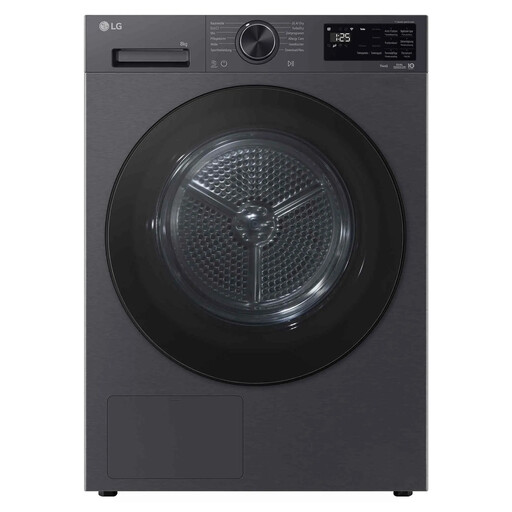
LG RT80X7B heat pump tumble dryer, 8 kg, Matt Black
The listed Mix, SensorDry and TurboDry features give you points of comparison for suitable mixed or smaller loads; check the instructions to make sure the fabric type and load are suitable.
Listed specifications include 8 kg, 12 programmes, Dual Inverter Heat Pump, AI Dry, TurboDry and SensorDry.
View at Joybuy
 No image available
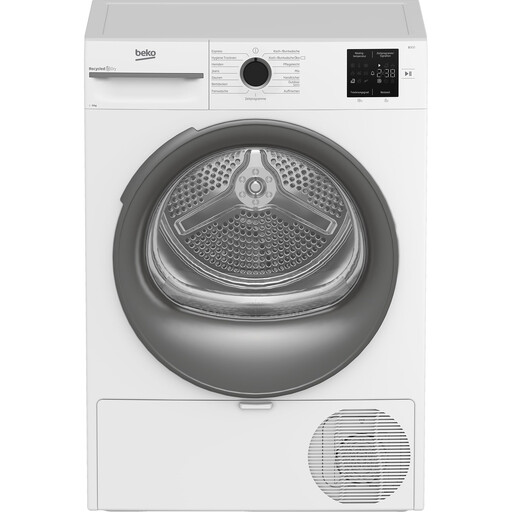
Beko BM3T39210W1 heat pump tumble dryer, 9 kg, White
The listed capacity offers a point of comparison for larger, suitable weekly loads; check the maximum load for the programme you choose.
Listed specifications include 9 kg, energy class E, 15 programmes, Express and Freshen Up.
View at Joybuy
 No image available
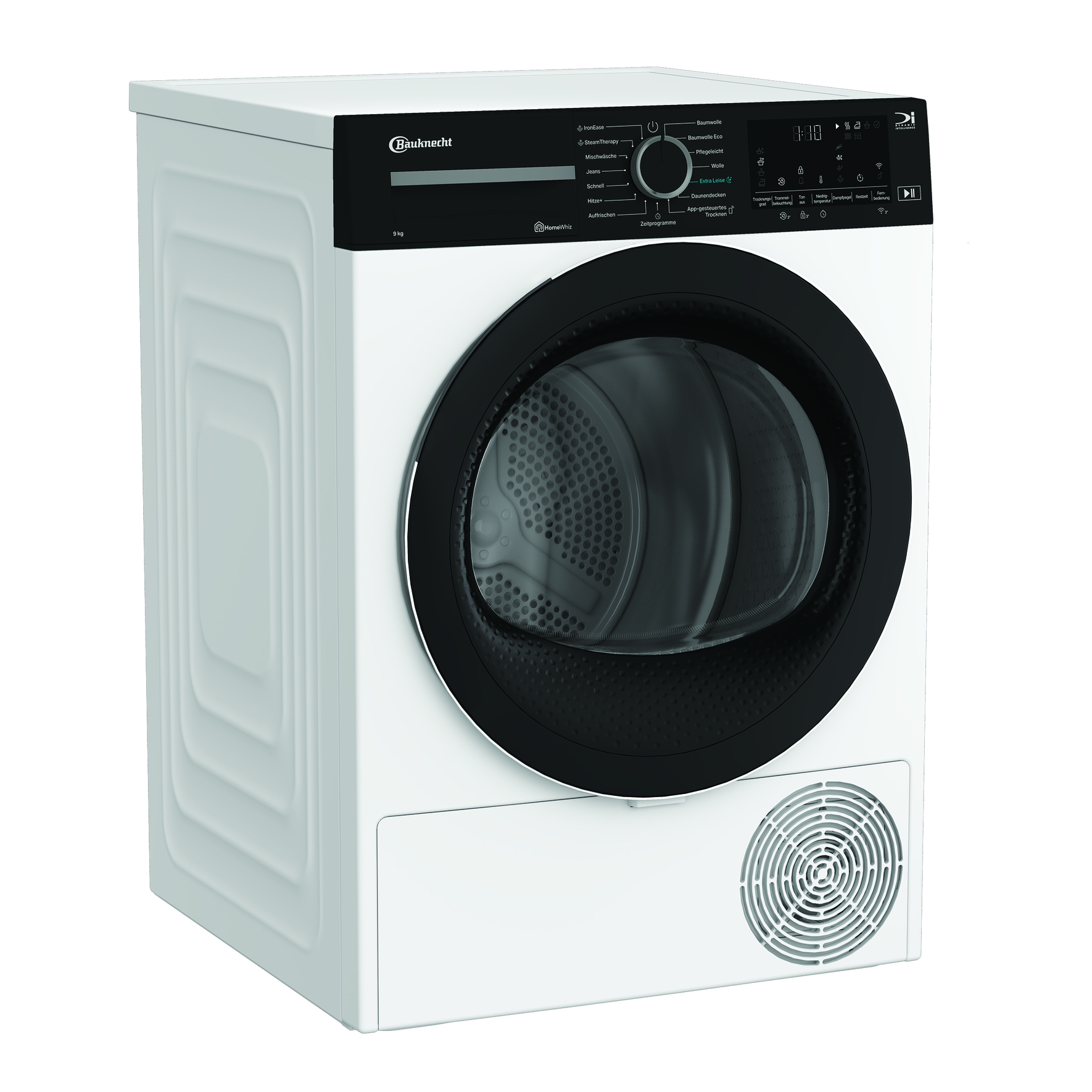
Bauknecht BD 9C WBS heat pump tumble dryer, 9 kg, White
The capacity offers a point of comparison for larger loads; the stated programme duration is for a full standard cotton load.
Listed specifications include 9 kg, energy class C, 63 dB(A) and 195 minutes for a full standard cotton load. SteamCare and Wi-Fi connectivity are also listed.
View at Joybuy
 No image available
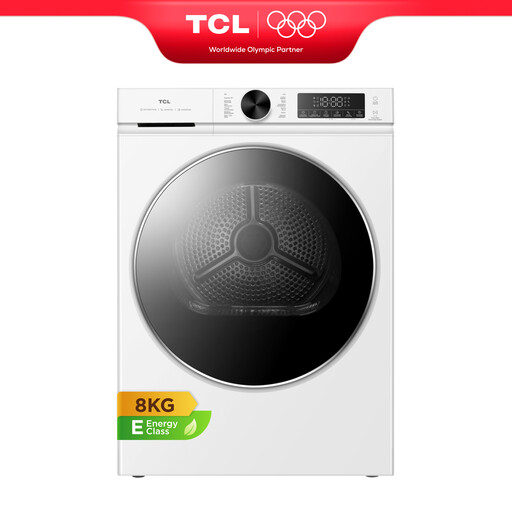
TCL DP4408WE1DE heat pump tumble dryer, 8 kg
Quick Dry is listed as a short drying option. Before relying on it for school clothes you need quickly, check the instructions to see which fabrics and load size it is intended for.
Listed specifications include 8 kg, Eco heat pump and Quick Dry, which takes up to 30 minutes.
View at Joybuy
 No image available
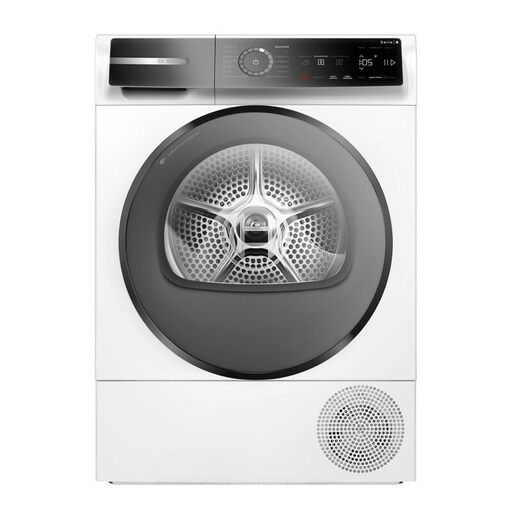
Bosch WQB246D41 heat pump tumble dryer, Series 8, 9 kg, White
The capacity offers a point of comparison for larger loads; AutoDry and the listed half-load option may be relevant when checking which programme is right for you.
Listed specifications include energy class B, 9 kg, AutoDry, a self-cleaning condenser and 59 dB.
View at Joybuy
Frequently asked questions
Can I tumble dry school clothes with other fabrics?
Only if the care label on every item says it can be tumble dried, and the fabric types and load are suitable for the programme you choose. A mixed-load programme does not make an item bearing the “Do not tumble dry” symbol safe to tumble dry.
What should I check before installation and when caring for the appliance?
Measure the available space and clearance for the open door for the specific model. Follow its instructions for disposing of condensation and cleaning the filters; care instructions can vary by appliance.
How can I compare energy use without treating programmes as equivalent?
The current EU label shows energy use per 100 drying cycles in the Eco programme, as well as the programme duration. To estimate your own costs, multiply the energy use in kWh for the programme you actually use by your electricity price in euros per kWh; the Eco label figure is not an energy-use figure for a quick or mixed-load programme.
Which energy label applies when buying in Germany?
Since 1 July 2025, household tumble dryers have used the EU energy label with classes A to G, including those sold online. The old A+++ to D scale is not directly comparable with the new one; you can scan the QR code to view additional product information in EPREL. According to the European Commission, the new ecodesign requirements apply to new appliances and do not apply retrospectively to appliances placed on the market before the cut-off date.
Who should I contact if the appliance develops a fault?
The seller is responsible for the statutory warranty, which is separate from a voluntary guarantee. The Verbraucherzentrale lists tumble dryers among the appliances covered by the right to repair, which has applied since 31 July 2026. Check the specific conditions and any repair costs that may apply in your case.


