Households with large bedding loads
If you often dry sheets and duvet covers, check the programme load and whether a reversing drum is listed. Bosch and Siemens specify this feature for the relevant models.


If you often dry sheets and duvet covers together, first check the permitted load for the bedding programme and whether the specific model has a reversing drum. For smaller or mixed loads, load adjustment and the details of the relevant programme matter more than a blanket promise of short drying times. Also compare the current EU energy label, the Eco programme duration and the dimensions of the space where you plan to install it.
If you often dry sheets and duvet covers, check the programme load and whether a reversing drum is listed. Bosch and Siemens specify this feature for the relevant models.
If you alternate bedding with smaller loads, specific details about capacity, energy use and cycle time can help you narrow down your options. Bosch lists a half-load option, while AEG describes load detection on the TR8AMZ78.
Check the dimensions of the specific appliance against the available space, access route and clearance with the door open. For the WQ45N2BG1, Siemens lists both the appliance depth and the depth with the door open at 90°.
If you need to dry bedding after a busy day, consider whether the fabric is suitable, the permitted load for the programme and the actual conditions where you plan to install the appliance.
| Priority | What to check when buying | Who will find this especially important |
|---|---|---|
| Less tangling | Check that the full model has a dedicated bedding programme and a reversing drum. | If I dry large sheets and duvet covers together, I want to consider a suitable programme and ways to reduce tangling. Around 29% of consumers put the movement of large bedding items first. |
| Suitable load size | Compare your usual load with the programme capacity; the stated capacity does not necessarily apply to every programme. | If I want my usual bedding load to fit a suitable programme, I compare the load limit with the actual load. Around 23% of consumers prioritise finding the right load size. |
| Energy use | Compare the current energy class, kWh figure and Eco programme duration together. | If I use the tumble dryer regularly, I want to understand its stated energy use when choosing an appliance. Around 18% of consumers put ongoing electricity costs first. |
| Small loads | Look for load adjustment or a half-load option, and check the limitations of any quick programme. | If I dry smaller loads as well as bedding, I want to know which fabrics and load sizes a programme is designed for. Around 18% of consumers prioritise flexibility for varying small loads. |
| Fit and installation | Check the dimensions, door opening and installation requirements of the specific model. | If space is limited, I want to make sure the appliance and its open door will fit in the designated area. Around 12% of consumers put suitability for their available space first. |
The stated capacity does not replace the load limit for the programme you choose. An oversized load may need an additional drying cycle.
Check the programme and load table for your bedding.
Since 1 July 2025, household tumble dryers covered by the EU regulation have used the A to G scale. The European Commission and EUR-Lex explain the labelling; the former A+++ to D scale is not an equivalent current rating for comparing purchases.
Compare the current energy label and the energy-use figure for the specific model.
A short programme duration applies only to the fabric type and load it is designed for. It does not guarantee the same drying time for large duvet covers.
Check the approved fabrics, permitted load and programme duration in the instructions for the specific model.
For the Siemens WQ45N2BG1, the manufacturer lists a depth of 613 mm for the appliance and 1096 mm with the door open at 90°. These measurements apply to this model and cannot be assumed to apply to other appliances.
Measure the space for the door opening and access route too, and check the dimensions of the model you want.
For the WQG233DR91, Bosch lists a 9 kg rated capacity, a bedding programme, a reversing drum and a half-load option.
For the WQ45N2BG1, Siemens lists a 9 kg capacity, a Sheets programme and a reversing drum.
The TR8AMZ78 is an 8 kg model with MixDry and ProSense load detection.
The B3TSW48C9ZW is an 8 kg heat pump tumble dryer with OptiSense sensor drying.
The MD110H80B-E adds an 8 kg model with sensor drying and an adjustable dryness level to the selection.
Joybuy products for drying tumble-dryer-safe bedding and handling varying loads with a heat pump tumble dryer.
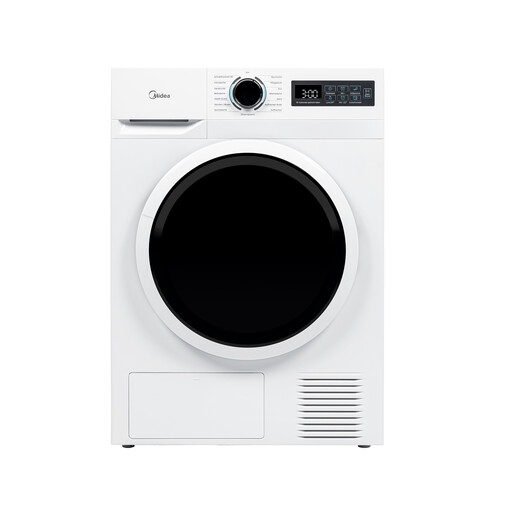 No image available
Consider this heat pump tumble dryer if you have varying loads, and check that each load is suitable for the relevant programme.
Before drying, check that the fabric is suitable according to its care label and follow the appliance’s programme restrictions.
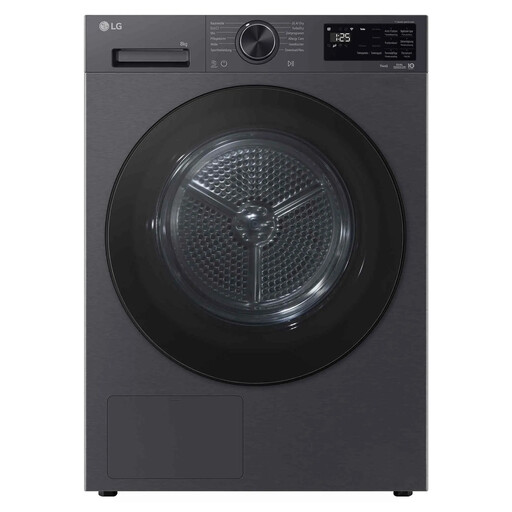 No image available
If you’re considering an 8 kg model, compare your usual bedding load with the permitted load for the relevant programme.
Only dry fabrics whose care labels allow tumble drying; follow the programme and load limits.
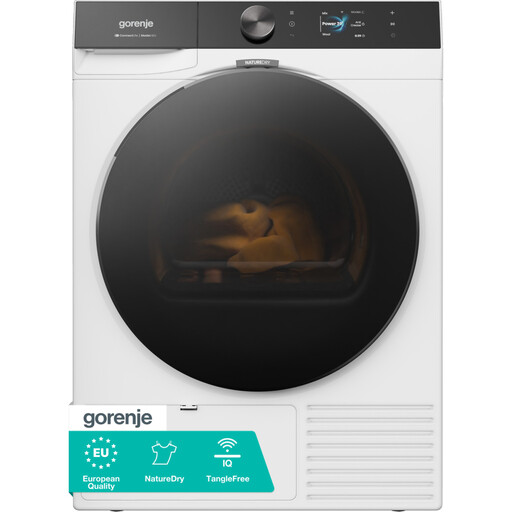 No image available
If you regularly dry bedding, check that the programme you plan to use is suitable for the fabrics and your usual load size.
The 9 kg rated capacity does not replace the permitted load for an individual programme. Check the care label and appliance instructions.
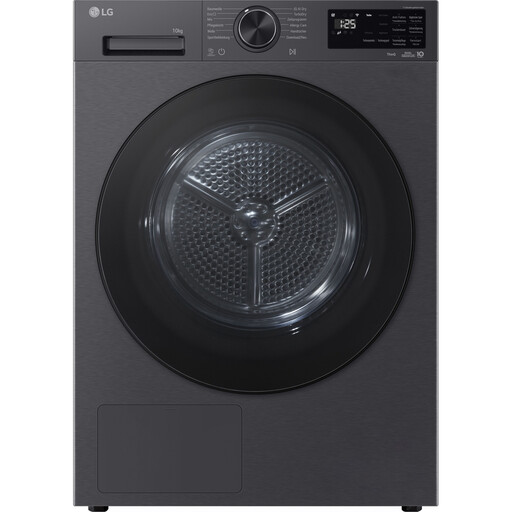 No image available
If you’re comparing a model with a 10 kg rated capacity, also check the load permitted for the bedding programme you want to use.
The product name states energy class C. Compare this rating with the current EU energy label for the specific appliance.
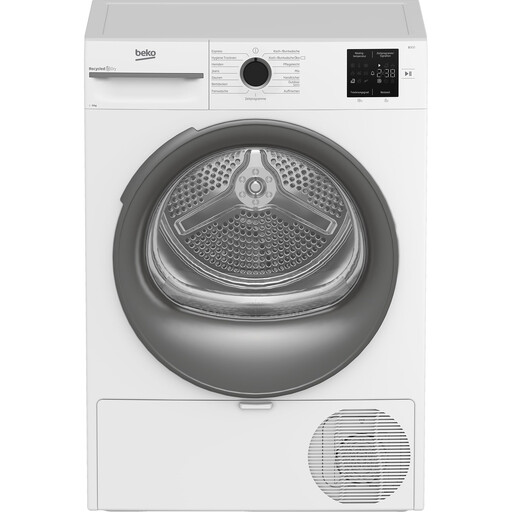 No image available
If you regularly load bulky bedding, check the door opening dimensions and the load limit for the relevant programme.
The product name states 9 kg and energy class E. Compare the rating with the current EU energy label for the specific appliance.
No. Check the care label on the specific duvet or cover, as well as the fabric type and load permitted by the appliance programme. A crossed-out tumble dryer symbol means the item must not be tumble dried.
No. Bosch describes its 40-minute programme as being for small loads of lightweight materials; that does not mean bedding will dry in a specific amount of time. Check the details for the programme and model in question.
Since 1 July 2025, household tumble dryers covered by the EU regulation have used the A to G scale, including those displayed by online retailers. The European Commission explains the current labelling; don’t assume older A+++ ratings represent a current appliance class without checking.
Check the care labels before loading the appliance, and follow the instructions for the specific model on installation, filter cleaning and condensation water. The Verbraucherzentrale recommends cleaning the lint filter regularly, including to reduce the risk of fire.
No. The rated capacity does not automatically tell you the permitted load for every individual programme. Compare your usual dry load with the programme and load table for the specific model.