What should you look for when buying?
First, work out where the machine can go and how large your usual loads are. You can then compare energy use, cycle time and noise levels for your shared household.
| Consideration | What to check before buying | Who is it most relevant to? |
|---|
| Room humidity and location |
The model’s condensation efficiency and installation instructions; whether the room can be ventilated. |
If the dryer is going in a cool, damp-sensitive shared room, I want to keep an eye on humidity. Around 33% of consumers say room humidity is their main buying consideration. |
| Capacity and loading |
Typical load sizes and rated capacity; programme duration and planned usage times. |
If you need to organise shared or consecutive loads, you’ll want to avoid waiting times and frequent partial loads. Around 27% of consumers say planning loads is their main consideration. |
| Electricity consumption |
kWh per 100 Eco cycles, using the same current label basis; the expected number of drying cycles. |
If you dry laundry regularly in winter, I want to compare the stated consumption with how often the dryer is likely to be used. Around 27% of consumers put running costs first. |
| Operating noise |
The noise level in dB(A) declared for the specific model; programme duration and location. |
If the machine is near shared living or sleeping areas, I want to take noise levels and usage times into account. For around 13% of consumers, quiet operation is the main buying consideration. |
Joybuy product selection
The heat pump tumble dryers below are options for shared house-share loads, selected with capacity and details about cotton laundry in mind.
 No image available
Haier I-Pro 1 HD80-E929E-DE heat pump tumble dryer, 8 kg
The rated capacity of 8 kg can help when planning shared loads; check whether it suits the usual laundry loads in your house share.
The product title mentions sensor-controlled drying and several drying programmes.
View at Joybuy
 No image available
LG RT80X7B freestanding heat pump tumble dryer, 8 kg
The rated capacity of 8 kg gives you a starting point for planning shared loads; compare it with the loads you typically dry.
The product title mentions a Dual Inverter heat pump as well as AI Dry, TurboDry and SensorDry.
View at Joybuy
 No image available
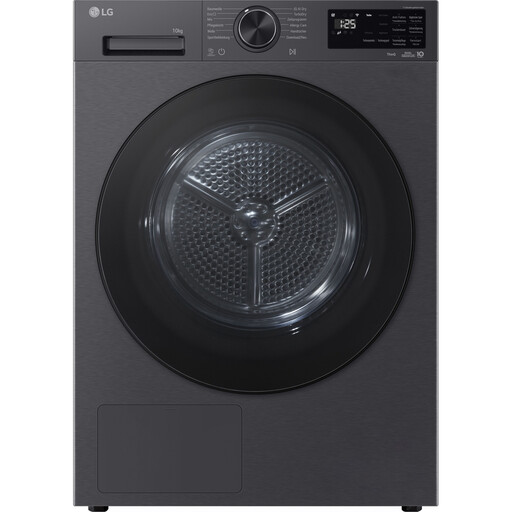
LG RT10X7B heat pump tumble dryer, 10 kg
The rated capacity of 10 kg may suit larger shared loads; check that you can regularly fill it to a suitable level.
The product title gives an energy efficiency class of C.
View at Joybuy
 No image available
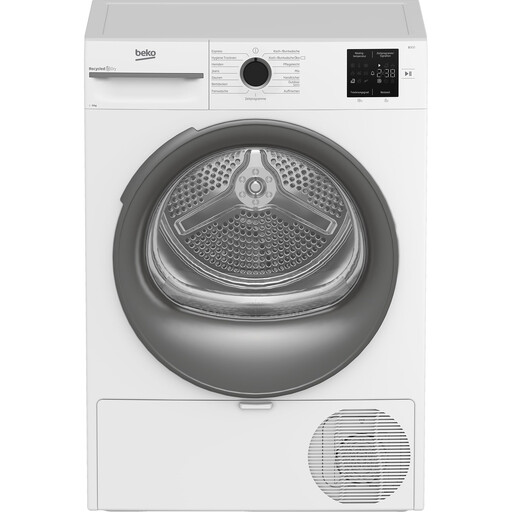
Beko BM3T39210W1 heat pump tumble dryer, 9 kg
The rated capacity of 9 kg may be useful for larger shared loads; check your actual load sizes and drying habits.
The product title lists energy class E and 15 programmes.
View at Joybuy
 No image available
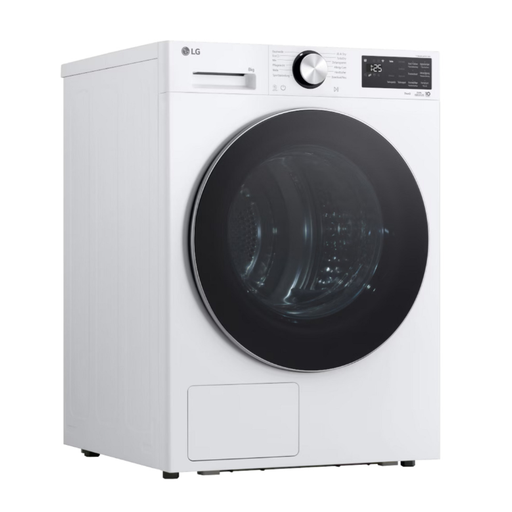
LG RT80X72W heat pump tumble dryer, 8 kg
With a rated capacity of 8 kg, this model could suit shared loads if that matches the amount of laundry you typically dry in your house share.
The product title lists energy efficiency class B and a self-cleaning condenser unit.
View at Joybuy
Frequently asked questions
Which figures should I use to compare electricity costs?
Compare current A to G labels and the stated energy consumption on the same basis. To work out your own costs, you’ll also need the expected number of drying cycles and your electricity tariff. Older A+++ ratings are not equivalent to a current label class.
Can a heat pump tumble dryer go in a cold storage room?
Only if you follow the installation instructions for the specific model and ensure the room is ventilated. AEG rules out locations below 5 °C or above 35 °C for the appliances covered by its guidance; this temperature limit cannot be applied across the board to all manufacturers.
Do I still need to ventilate in winter if I have a heat pump tumble dryer?
Yes, keep an eye on room humidity: according to AEG Support, small amounts of moisture are released into the room during operation. The consumer advice centre recommends heating appropriately and airing the room fully or creating a cross-draught to reduce the risk of mould.
How can I reduce maintenance and avoid unnecessarily long drying cycles?
Spin your laundry well before drying it, and clean the sieves or filters as instructed for your specific appliance. A self-cleaning condenser does not mean that all other maintenance is unnecessary.
Do tumble dryers sold in Germany need an EU energy label?
Household tumble dryers covered by EU rules must have an energy label; since 1 July 2025, the A to G scale has been displayed in shops. The European Commission describes this labelling for products offered for sale; it does not mean that a house share has to buy a tumble dryer.


